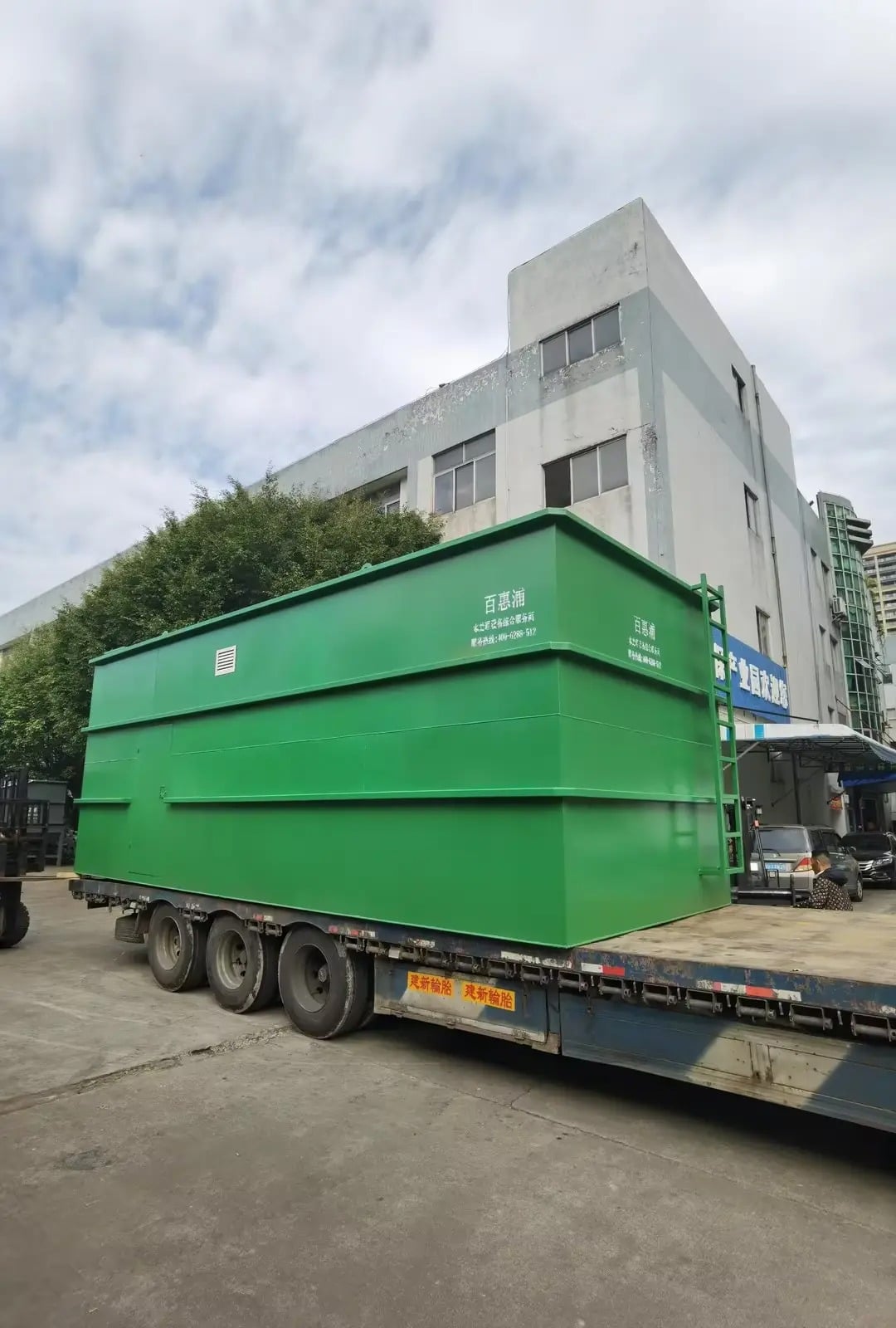
An aerobic sewage treatment system relies fundamentally on controlling oxygen availability to manage microbial activity and pollutant removal efficiency. The core principle centers on balancing oxygen supply with the biological demand of microorganisms that degrade organic matter. Without precise oxygen control, treatment performance deteriorates, leading to incomplete COD reduction, foul odors, and regulatory compliance failures. Understanding what drives oxygen demand and how design parameters influence it is essential for operators and engineers tasked with optimizing wastewater treatment performance.
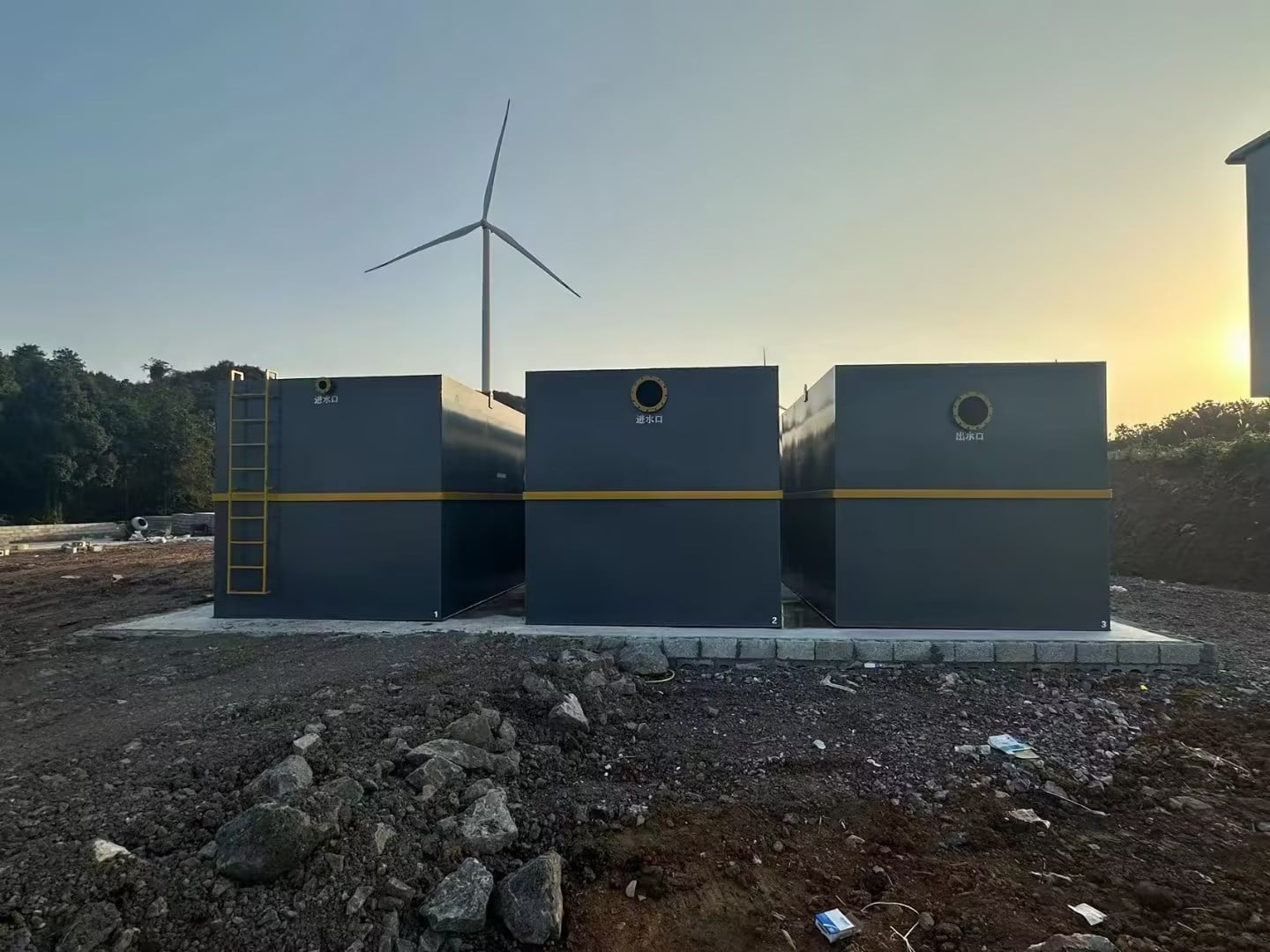
Oxygen demand in wastewater treatment emerges from the metabolic requirements of aerobic bacteria oxidizing dissolved and suspended organic compounds. The biological process consumes oxygen at a rate proportional to the concentration of biodegradable organic matter, measured as chemical oxygen demand or COD. Temperature, biomass concentration, feed composition, and aeration system design all influence the rate at which oxygen is consumed. Operators must match aeration capacity to this variable demand to sustain aerobic conditions while minimizing energy expenditure and operating costs.
Biological Oxygen Demand and System Dynamics
Understanding Microbial Metabolism in Aerobic Systems
Aerobic microorganisms require oxygen as the terminal electron acceptor in their metabolic pathways. When organic molecules are oxidized, the biological process generates energy and biomass while consuming dissolved oxygen proportionally to the substrate concentration. In a properly designed aerobic sewage treatment system, dissolved oxygen levels are maintained between 2 and 4 milligrams per liter to balance oxidation efficiency against aeration costs. Lower oxygen concentrations slow microbial activity, while excessive oxygen creates diminishing returns in pollutant removal and wastes energy.
Impact of COD and Substrate Quality
COD represents the total amount of biodegradable and resistant organic matter requiring oxidation. Higher COD loads demand proportionally greater oxygen supply to achieve complete stabilization. The biological process degrades readily biodegradable compounds first, followed by more resistant fractions, creating a variable oxygen demand profile throughout the treatment cycle. Industrial wastewater often contains recalcitrant compounds requiring extended residence time and sustained aeration to achieve regulatory COD reduction targets. Design engineers must account for this heterogeneous substrate composition when sizing aeration equipment.
Aeration Technology and Oxygen Transfer Mechanisms
Diffused Aeration System Selection and Performance
Diffused aeration systems introduce fine bubbles into the reactor, maximizing the gas-liquid interface area and oxygen transfer efficiency. Fine pore membranes and ceramic diffusers generate bubbles ranging from 2 to 5 millimeters in diameter, creating superior oxygen transfer rates compared to mechanical or coarse-bubble systems. The biological oxidation process and oxygen demand drive the depth of diffuser placement and air flow rate selection. Shallow diffuser placement reduces pressure requirements but may sacrifice transfer efficiency, while deeper placement improves oxygen utilization but increases energy demands. System designers balance these competing factors based on wastewater characteristics and treatment objectives.
Mechanical Aeration and Process Integration
Surface mechanical aerators entrain air through rotor or turbine action, creating direct shear and mixing that maintains oxygen demand satisfaction in extended aeration basins. Mechanical systems excel in facilities with limited submergence depth or where mixing requirements outweigh oxygen transfer efficiency. The biological process benefits from active mixing that prevents settling of suspended solids and maintains uniform substrate distribution to microorganisms. Oxygen demand fluctuations are absorbed by adjusting rotor speed or blade configuration, providing operational flexibility. Engineers often combine diffused and mechanical aeration in hybrid systems tailored to specific wastewater compositions and treatment regulations.
Design Parameters Controlling Oxygen Demand
Solids Retention Time and Biomass Optimization
Solids retention time directly controls the concentration of active biomass in the aerobic sewage treatment system, which in turn determines the total oxygen demand. Extended solids retention times cultivate nitrifying organisms that oxidize ammonia nitrogen, requiring additional oxygen supply beyond that needed for BOD stabilization. The biological process becomes increasingly complex as nitrification compounds baseline oxygen demand. Design engineers must establish solids retention time targets that align with treatment objectives, whether focused on COD reduction alone or combined COD and nitrogen removal. Balancing retention time against aeration energy consumption requires iterative design refinement and site-specific wastewater characterization.
Temperature and Environmental Factors
Microbial metabolism accelerates with rising temperature, creating seasonal oxygen demand variations that range from 30 to 50 percent between winter and summer operation. Cold climate treatment facilities must oversize aeration capacity to maintain aerobic conditions during winter months when biological activity declines. Temperature also influences the solubility of oxygen in water, with warmer water holding less dissolved oxygen at atmospheric saturation. An aerobic sewage treatment system operating in warm climates faces dual pressure: higher microbial oxygen demand combined with reduced atmospheric oxygen availability. Design specifications must incorporate worst-case seasonal scenarios to ensure consistent treatment performance across the operational year.
Operational Control Strategies for Oxygen Delivery
Dissolved Oxygen Monitoring and Feedback Control
Modern treatment facilities employ dissolved oxygen probes and automated control systems to optimize aeration in real time. Sensors maintain target oxygen levels between 2 and 4 milligrams per liter by adjusting air flow or mechanical speed based on instantaneous process demand. Feedback control prevents both oxygen starvation, which leads to anaerobic conditions and COD accumulation, and oxygen excess, which wastes energy without improving treatment outcomes. The biological process responds rapidly to oxygen fluctuations, making continuous monitoring essential for stable operation. Facilities implementing advanced process control reduce aeration energy consumption by 15 to 25 percent while maintaining consistent effluent quality.
Load-Based Aeration Adjustment
Influent COD and flow rate variations require proportional aeration adjustments to maintain treatment stability. High-flow events or concentrated waste surges temporarily increase oxygen demand beyond baseline levels, necessitating rapid aeration response. Operators calibrate aeration setpoints based on historical COD profiles, seasonal patterns, and anticipated industrial discharge variations. Predictive control algorithms anticipate oxygen demand spikes before they occur, preventing dissolved oxygen crashes that compromise treatment efficacy. An aerobic sewage treatment system equipped with load-responsive aeration maintains consistent biological stability while minimizing wasted energy during low-demand periods.
FAQ
What is the relationship between oxygen demand and COD in aerobic treatment?
Oxygen demand is directly proportional to the COD concentration in wastewater. Aerobic microorganisms consume oxygen as they oxidize organic compounds, with higher COD requiring proportionally greater oxygen supply. Complete COD removal to regulatory limits requires sustained aeration and sufficient dissolved oxygen throughout the biological process. The rate of oxygen consumption reflects both the quantity and biodegradability of organic matter present in the treatment system.
How does aeration efficiency impact overall treatment system economics?
Aeration typically represents 40 to 60 percent of treatment facility operating costs, making efficiency optimization critical for long-term economics. Higher oxygen transfer efficiency means lower air flow requirements achieve the same treatment performance, directly reducing energy consumption and operational expenses. Diffused aeration systems generally offer superior transfer efficiency compared to mechanical alternatives, though the biological process and specific wastewater characteristics influence the optimal choice. Operators seeking to minimize oxygen demand management costs should invest in high-efficiency diffusers and automated control systems that prevent over-aeration.
Can oxygen demand be reduced through wastewater pre-treatment before the aerobic sewage treatment system?
Yes, upstream pre-treatment processes such as screening, settling, and anaerobic digestion can reduce the COD load reaching the aerobic system, thereby lowering downstream oxygen demand. Industrial facilities may employ physical or chemical pre-treatment to remove resistant compounds, improving aerobic biological process efficiency. However, complete COD removal typically requires the aerobic sewage treatment system to provide final oxidation regardless of pre-treatment. Integrated pre-treatment and aeration optimization represents the most cost-effective approach to managing oxygen demand while achieving regulatory compliance.

 EN