Industrial Ultrapure & Pure Water Systems: Engineering Process Water for Demanding Applications
Industrial ultrapure & pure water systems form the foundation of process water supply for semiconductor fabrication, pharmaceutical manufacturing, electronics assembly, and precision industrial production. Unlike general-purpose water supply infrastructure, ultrapure & pure water systems are engineered to meet specific resistivity, conductivity, particle count, TOC, and microbial purity targets that directly determine product quality and regulatory compliance in the industries they serve.
When evaluating ultrapure & pure water systems, procurement engineers commonly focus first on unit capacity and capital cost. After one or two operating cycles, the evaluation shifts to membrane replacement intervals, energy consumption, chemical-free operation capability, and after-sales service availability — the variables that determine whether a system delivers sustainable performance over its operating life.
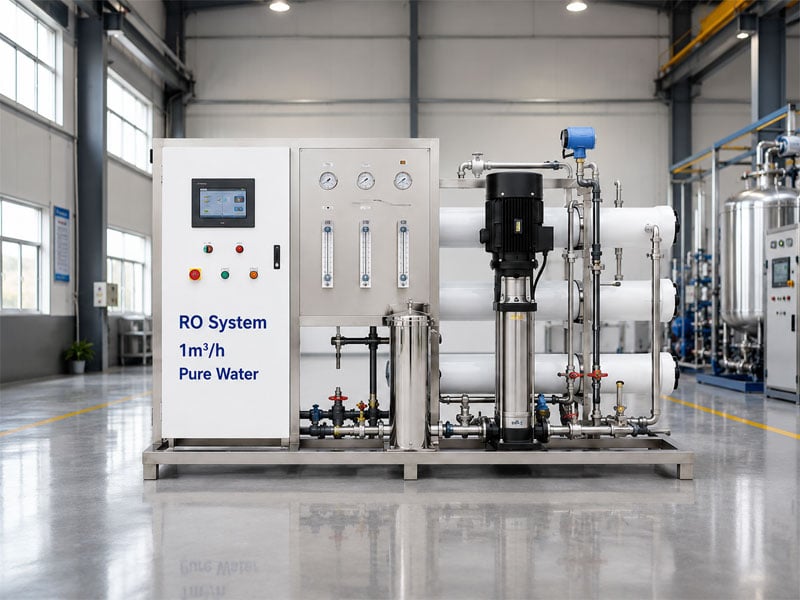
This product category covers industrial RO (reverse osmosis), EDI (electrodeionization), UF (ultrafiltration), reclaimed water reuse, seawater desalination, and centralized water supply configurations. Ultrapure & pure water systems in this range span compact 1 m³/h skid-mounted units to high-capacity 300–500 T/H industrial installations, covering applications from small-scale laboratory water supply to centralized industrial park infrastructure.
Key Product Characteristics
BHP's portfolio of ultrapure & pure water systems includes the following configurations:
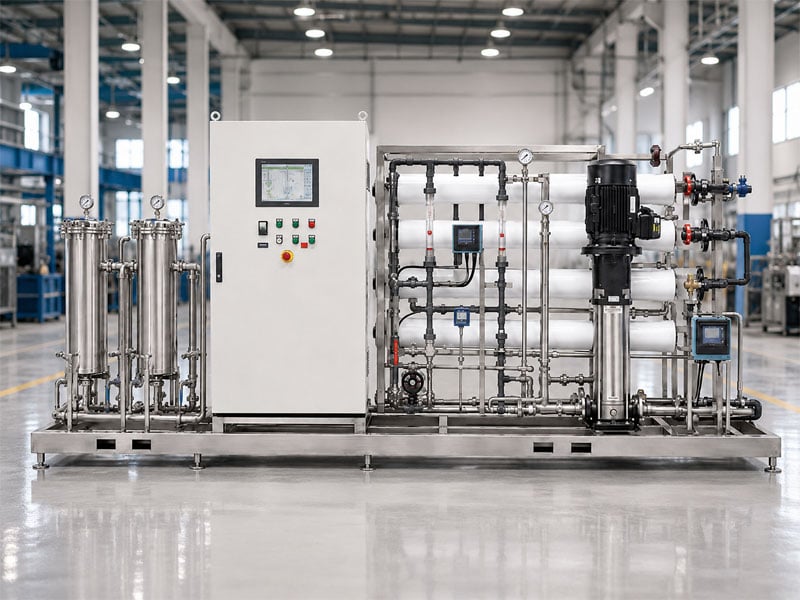
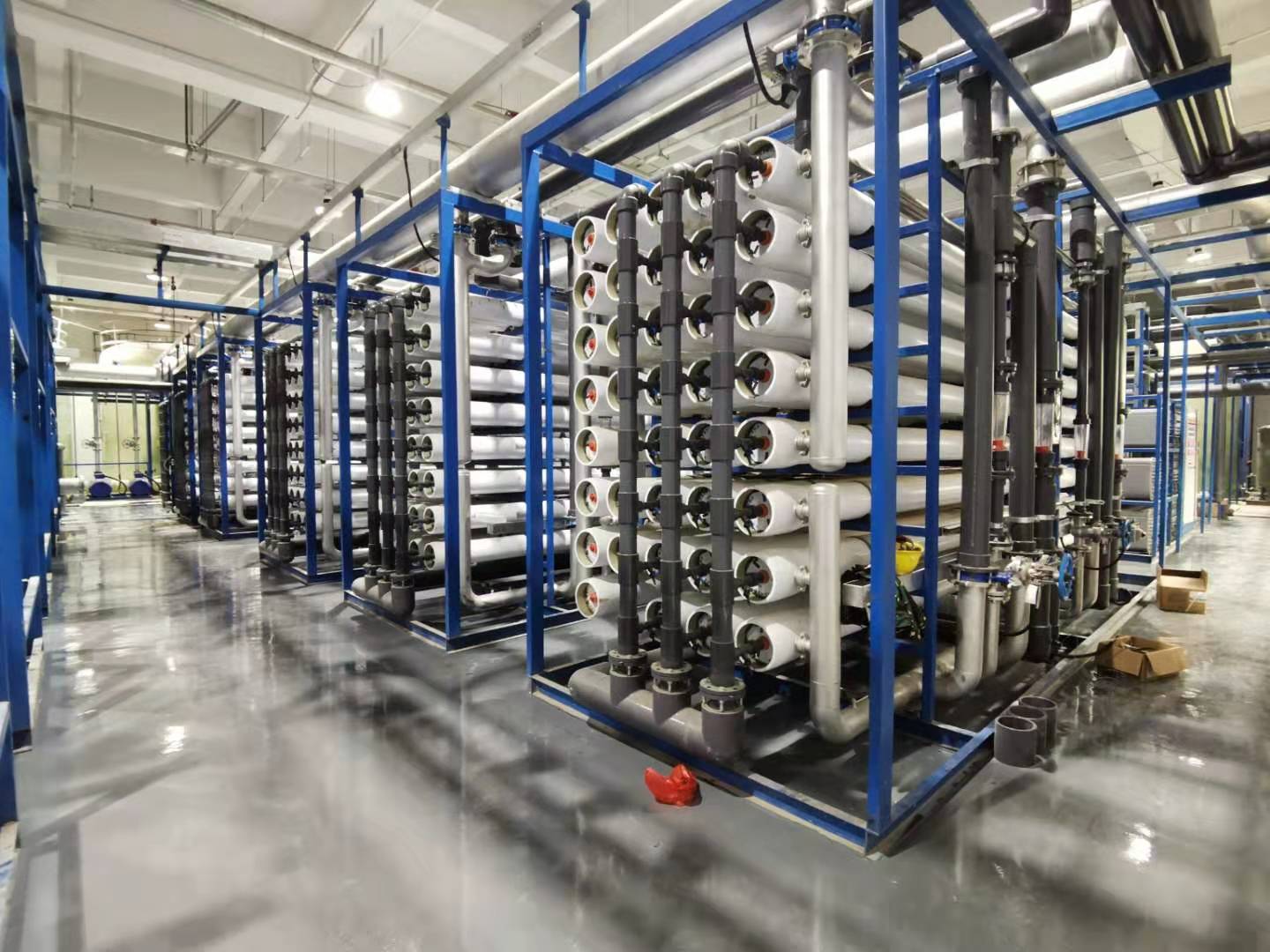
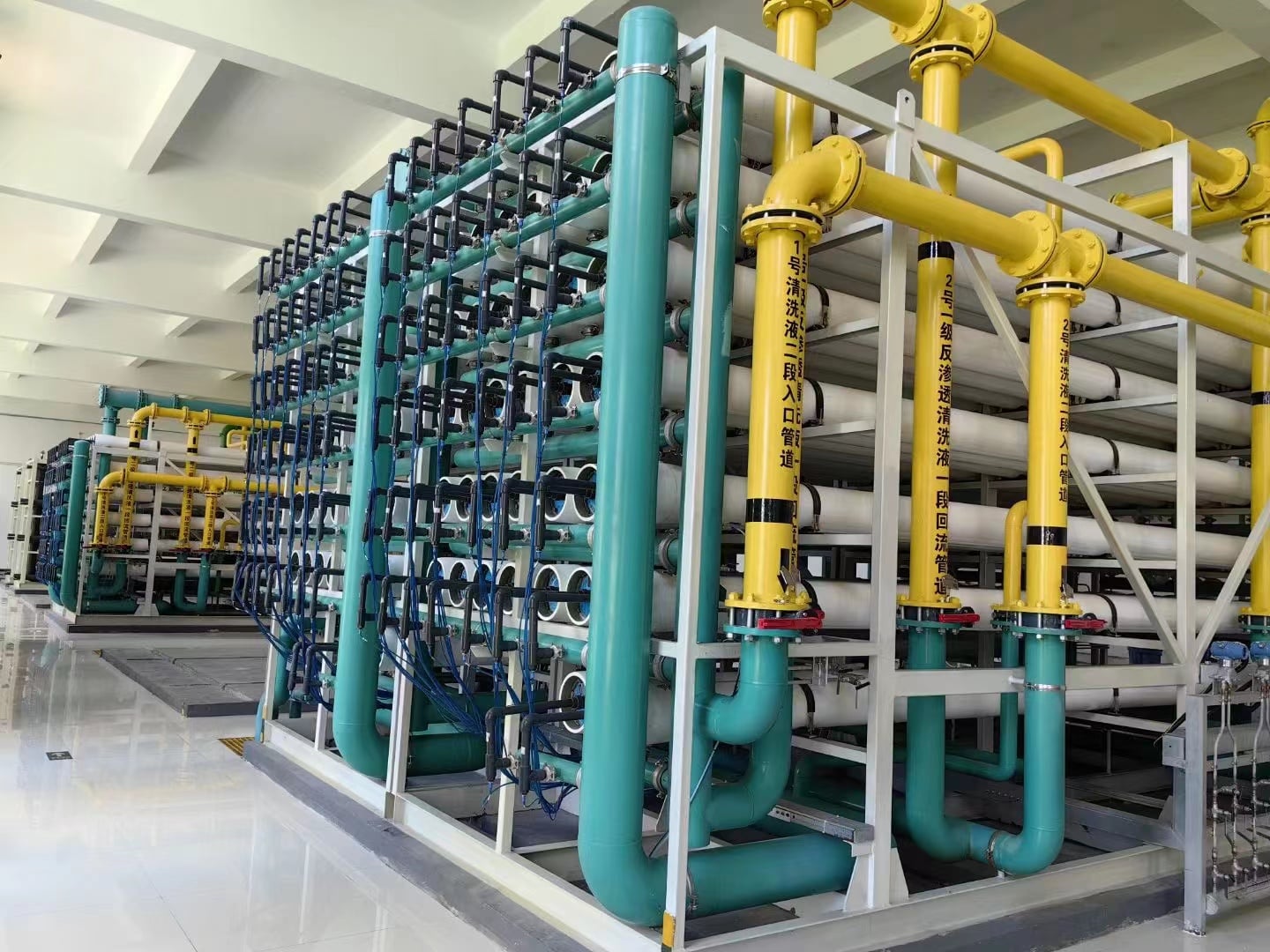
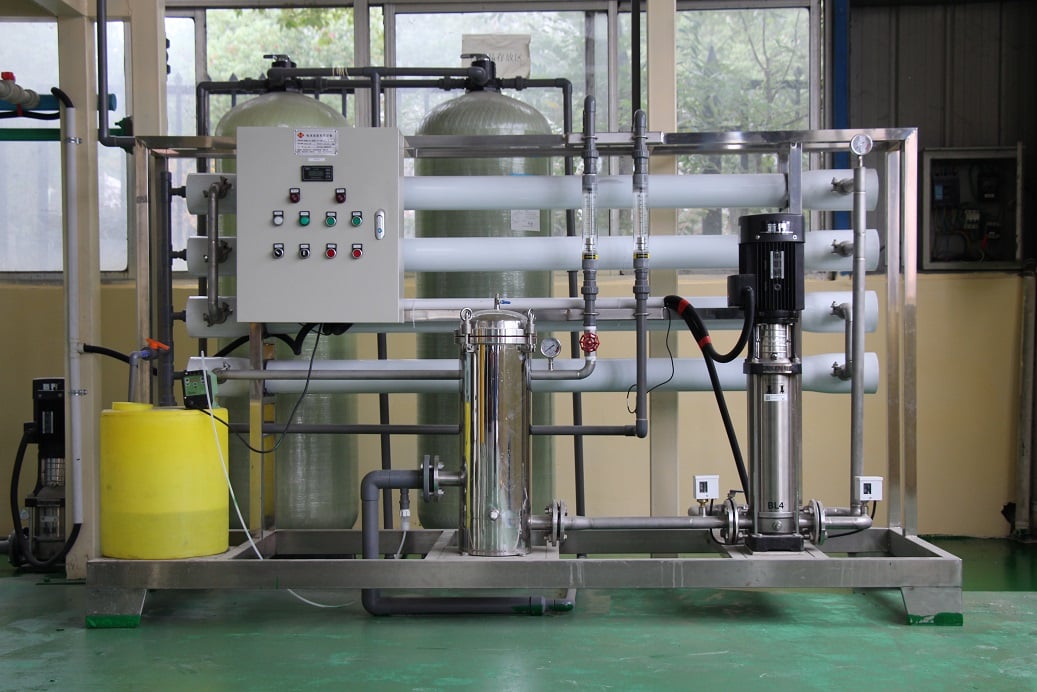
RO-Based Pure Water Systems (0.5–200 T/H): Reverse osmosis membrane systems achieve ≥97% desalination efficiency, removing dissolved salts, heavy metals, and suspended solids from feed water. Available in single-pass and double-pass configurations with PLC/HMI control and online water quality monitoring.
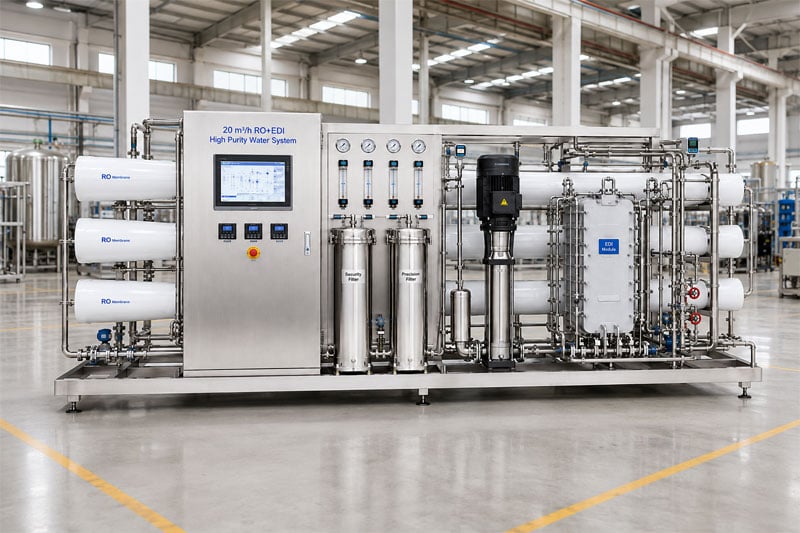
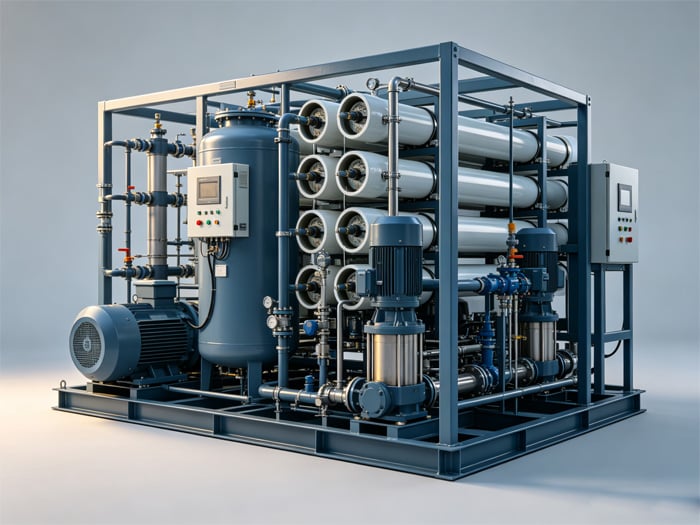
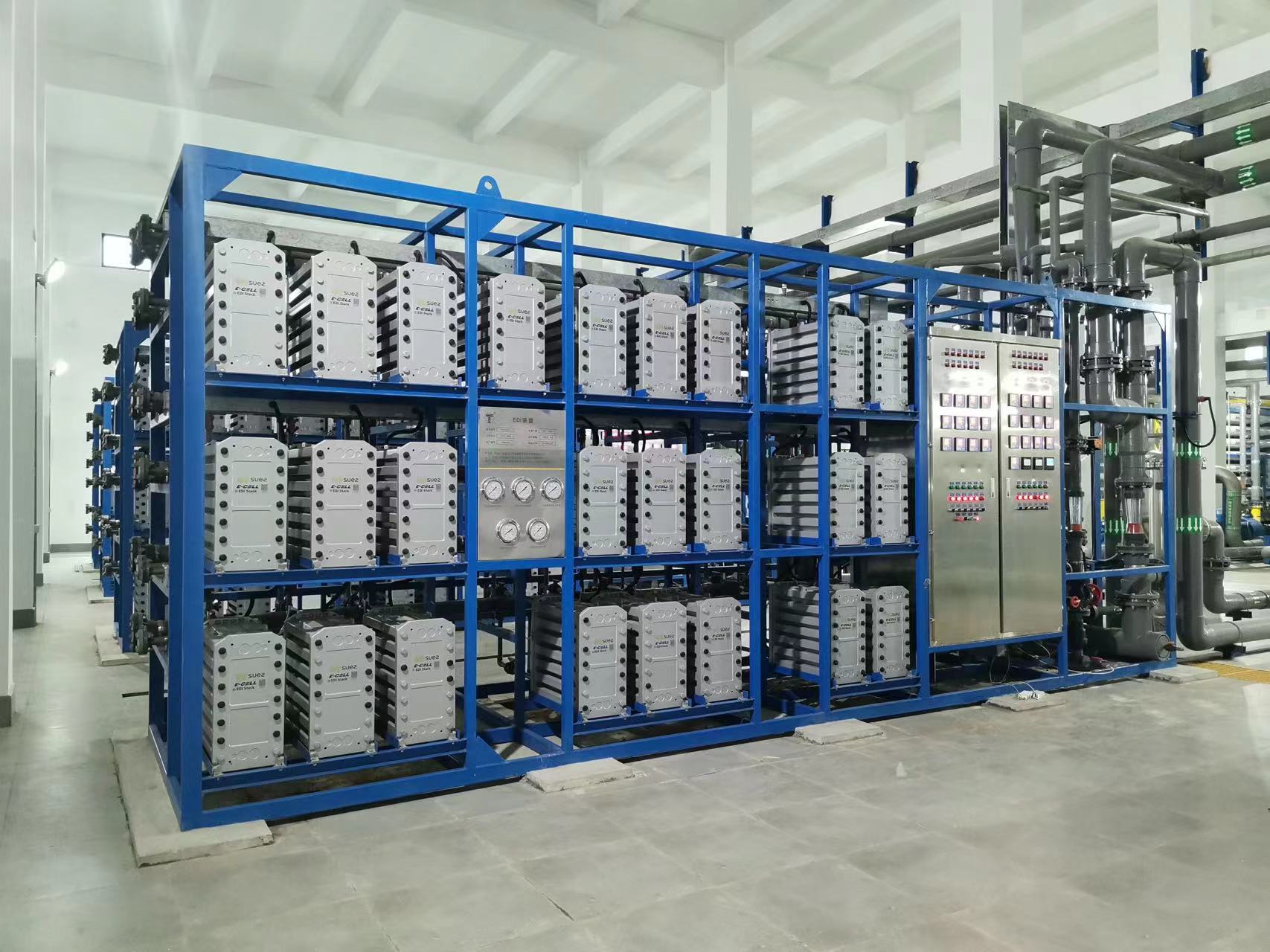
RO + EDI Ultrapure Water Systems: Combining reverse osmosis pre-treatment with electrodeionization polishing eliminates chemical regeneration requirements and produces continuous high-purity water with resistivity up to 18.2 MΩ·cm. Provided that feed water conductivity and organic load remain within design parameters, these ultrapure & pure water systems maintain stable output quality without scheduled chemical regeneration downtime.
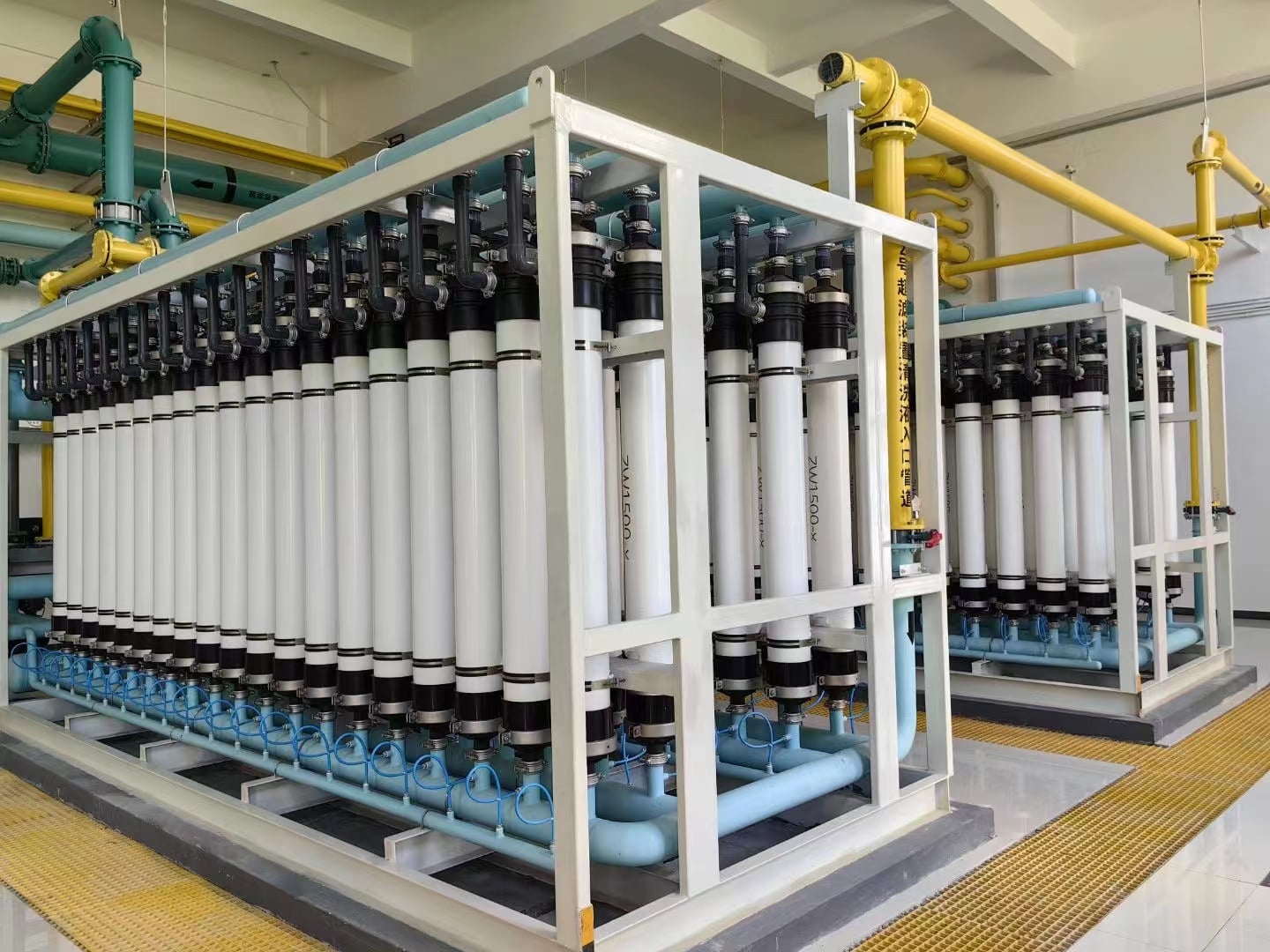
Industrial UF Pretreatment Systems: PVDF hollow-fiber ultrafiltration membranes with 0.01 μm pore size remove suspended solids, colloids, and bacteria upstream of RO and EDI stages. Recovery rates reach 90–95%, reducing raw water consumption and protecting downstream membrane components from premature fouling.
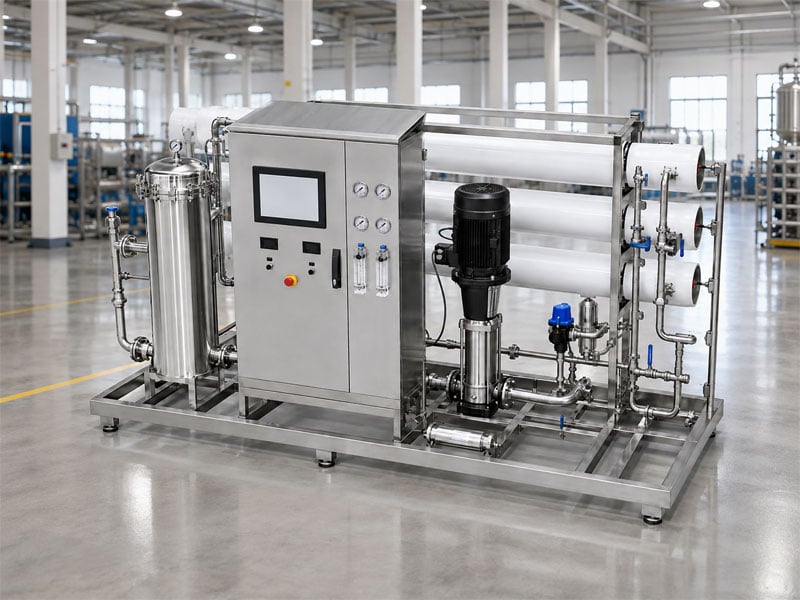
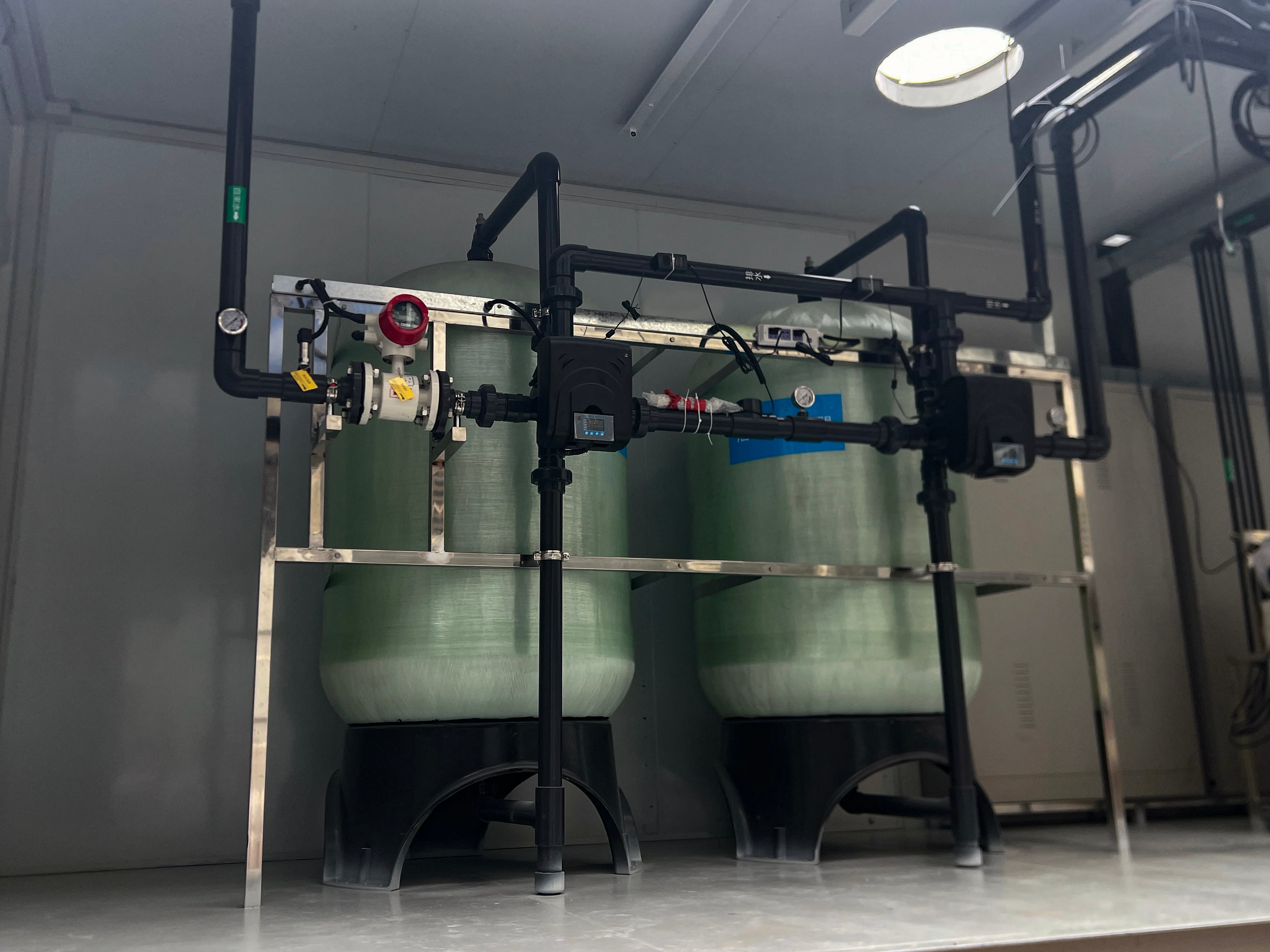
Skid-Mounted Integrated Systems (1–100 T/H): Factory-assembled and pre-tested skid units allow rapid commissioning with minimal civil engineering requirements — suited to turnkey industrial installations and projects with constrained construction schedules.
Reclaimed Water Reuse Systems (5–300 T/H): UF+RO integrated treatment recovers industrial process water for reuse, achieving 85% recovery rates with PLC-automated operation. These ultrapure & pure water systems reduce freshwater intake while supporting discharge reduction requirements.
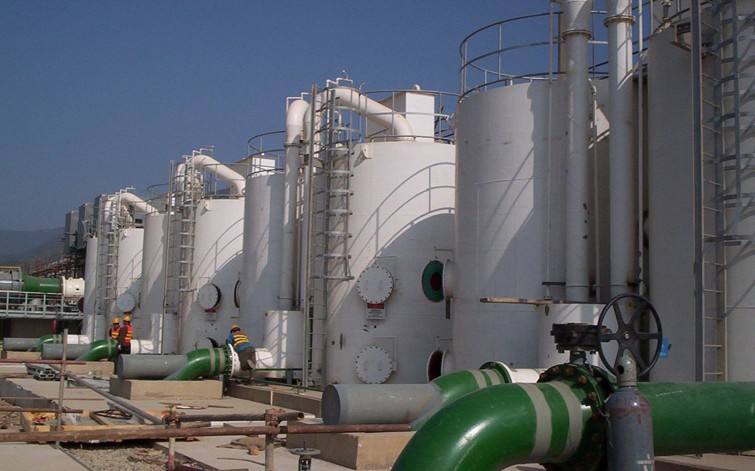
Seawater RO Desalination Systems (1–300 T/H): 316L stainless steel construction with ≥99.7% salt rejection, designed for island facilities, coastal manufacturing plants, and offshore installations.
Centralized Water Supply Systems (5–500 T/H): Constant-pressure PLC-controlled distribution integrating UF, RO, and EDI treatment stages for industrial park and multi-facility water infrastructure.
Automation and remote monitoring are standard across all ultrapure & pure water systems in this category. Real-time process visibility, alarm management, and remote diagnostic access reduce the on-site operator burden — a key consideration for overseas manufacturing facilities with lean maintenance teams. For plants where operations staff have limited water treatment experience, a calibrated semi-automated configuration often delivers more reliable daily performance than a complex fully automated setup requiring specialized PLC troubleshooting skills.
Common Application Industries
Ultrapure & pure water systems serve industries where process water quality directly determines product outcome or regulatory compliance:
Semiconductor and Electronics Manufacturing: Wafer rinsing and precision cleaning processes require ultrapure water with resistivity at or near 18.2 MΩ·cm, controlled particle counts, and minimal TOC and dissolved gas content. RO+EDI configurations with in-line monitoring are the standard architecture for continuous semiconductor production environments.
Pharmaceutical Production: Purified Water (PW) and Water for Injection (WFI) preparation per USP/EP/JP pharmacopeia standards requires multi-stage treatment. In compliance with applicable pharmacopeia requirements, treatment trains in these ultrapure & pure water systems must demonstrate consistent microbial and chemical purity performance.
Industrial Boiler Feed Water: High-pressure boiler systems require demineralized feed water to prevent scale formation and corrosion. RO+EDI configurations in this category produce boiler-grade feed water while condensate recovery circuits return clean water to the boiler loop, reducing make-up water consumption and chemical treatment costs.
Lithium Battery and Electronics Component Manufacturing: Battery cell fabrication and precision electronic component production require controlled ionic purity in process water circuits, where trace contamination affects electrochemical performance and component reliability.
Food and Beverage Processing: Process water for product formulation, CIP rinsing, and utility applications requires treatment to applicable food-grade standards with manageable long-term operating costs.
Industrial Park Centralized Water Supply: Shared ultrapure & pure water systems infrastructure serves multiple production facilities within an industrial zone, providing consistent water pressure and quality to distributed end-users.
How to Select the Right Ultrapure & Pure Water Systems Configuration
Choosing the appropriate configuration from available ultrapure & pure water systems requires matching equipment specifications to actual process requirements. Key evaluation criteria include:
Define Target Output Water Quality First: Single-pass RO typically delivers conductivity in the 2–10 μS/cm range; adding EDI polishing brings resistivity toward 18.2 MΩ·cm. Match the treatment configuration to the actual required quality grade before selecting equipment.
Conduct Feed Water Analysis Before Design: Performance and component longevity for ultrapure & pure water systems depend on feed water TDS, hardness, organic load, and silica content. Accurate characterization before system design prevents undersizing and premature membrane degradation.
Size for Capacity and Turndown Range: Process water demand typically varies across production shifts and campaigns. Systems should accommodate appropriate turndown capability and, where continuous supply is required, include storage and recirculation loops to maintain quality during low-demand periods.
Specify Integrated Systems Over Component Assembly: Procuring RO, EDI, and UF stages from separate vendors creates integration risk. Based on experience with industrial water treatment projects, factory-integrated ultrapure & pure water systems with unified PLC control and pre-shipment testing typically reach stable production faster than field-assembled multi-vendor configurations.
Model Total Lifecycle Cost: Energy consumption, membrane replacement intervals, chemical-free EDI operation versus regeneration costs, and after-sales support availability across the asset life determine real total cost of ownership — request detailed operating cost estimates before finalizing vendor selection.
Verify Certification and Export Documentation: For European and North American buyers, cross-border procurement of ultrapure & pure water systems involves certification requirements including CE marking, English-language technical documentation, and compliance with destination-market electrical and pressure equipment standards. Confirm supplier capability before contract award.
Why Industrial Manufacturers Choose BHP Ultrapure & Pure Water Systems
For overseas manufacturers building new facilities or expanding production capacity, the choice between individual treatment components and integrated ultrapure & pure water systems often comes down to commissioning risk and long-term operational reliability. Suppliers providing end-to-end services — process flow diagram design, equipment fabrication, installation supervision, commissioning support, and operator training — reduce the engineering burden on plant teams and provide a single point of performance accountability. This matters most for greenfield builds in regulated markets and technology upgrade projects where the full water treatment process chain requires re-evaluation.
BHP's ultrapure & pure water systems support semiconductor, pharmaceutical, and industrial manufacturing facilities in meeting process water quality requirements reliably. Integration capability extends to connecting treated water output directly with upstream production process loops — where output meets process reuse specifications, supporting water efficiency goals and freshwater intake reduction at facilities in water-stressed regions or operating under water quota obligations.
Whether the requirement is a compact 1 m³/h laboratory unit or a 500 T/H centralized industrial park installation, the engineering principles governing long-term reliability of ultrapure & pure water systems are consistent: matched pre-treatment protecting downstream membranes, validated EDI performance under actual feed water conditions, and control systems providing the process visibility needed to maintain consistent output quality across the full system operating life.

 EN