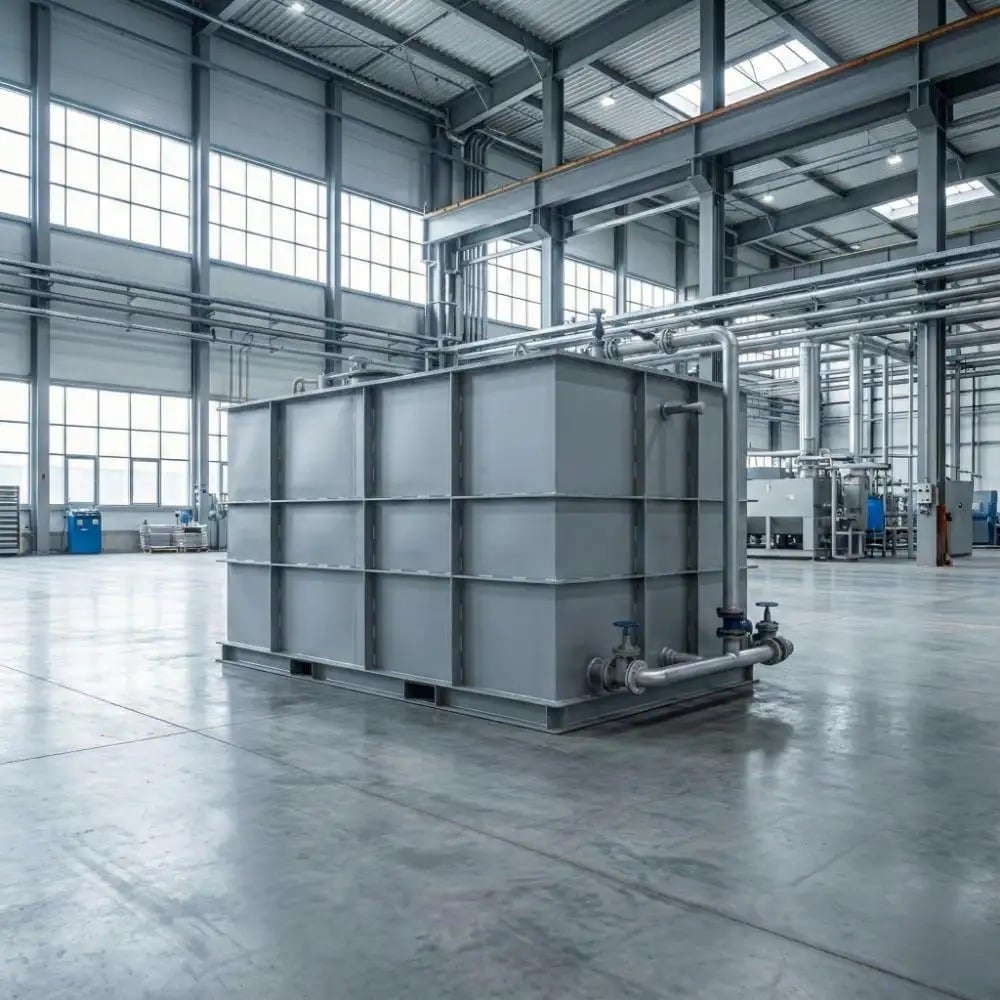
The dairy industry faces unique challenges when managing wastewater discharge, particularly from cleaning-in-place (CIP) systems. These automated cleaning cycles generate sudden, unpredictable surges in water volume, chemical concentration, and contaminant load that traditional treatment infrastructure often struggles to accommodate. Effective dairy industry wastewater treatment requires strategic planning that anticipates the cyclical nature of CIP discharge and designs systems flexible enough to handle extreme variability without compromising compliance or operational stability.
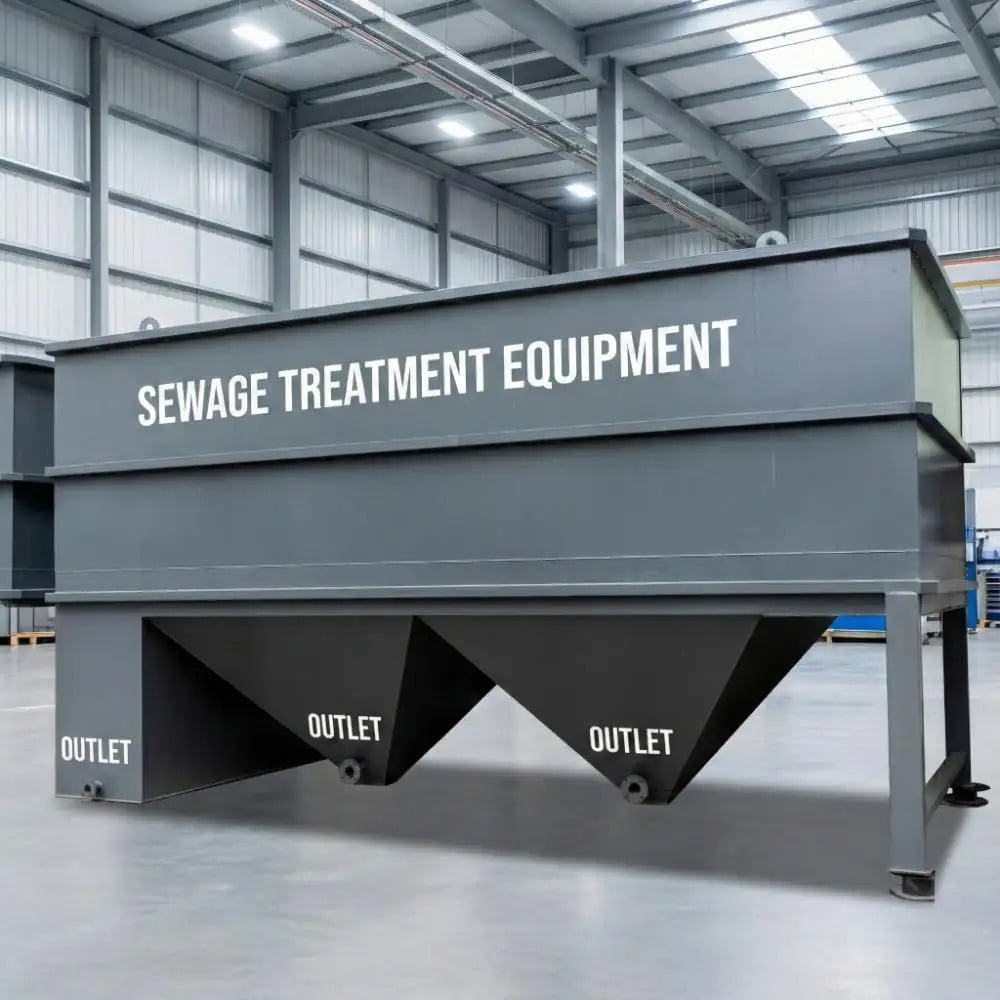
Understanding the discharge profile from CIP systems is essential for designing treatment plants that operate efficiently and maintain regulatory compliance. Unlike municipal wastewater treatment, which benefits from relatively steady flow and composition, dairy processing generates extreme peaks when equipment cleans. These peaks coincide with chemical dosing, alkaline rinses, and acidic sanitization cycles, creating simultaneous challenges in flow rate management and chemical balance. Proper planning transforms what appears to be a burden into a manageable process when you understand the underlying mechanics and apply proven operational strategies.
Understanding CIP Discharge Variability in Dairy Operations
Typical Discharge Patterns and Flow Surges
CIP systems in dairy facilities operate on fixed schedules, usually multiple times per shift. Each cycle generates a predictable but intense discharge event lasting 20 to 60 minutes, releasing thousands of gallons of water and process chemicals directly into the treatment system. These surges typically represent 3 to 5 times the normal steady-state flow from production lines, creating temporary hydraulic overload that standard settling basins and clarifiers cannot absorb. The CIP discharge also carries elevated suspended solids, organic compounds, and chemical residues that differ significantly from rinse water or cooling discharge, demanding specialized treatment sequencing.
Load variation during CIP cycles extends beyond volume to include concentration swings. Alkaline cleaning agents raise pH to 12 or higher, while acid sanitizers can drop pH below 3 within minutes. These pH extremes stress buffer systems and can inhibit biological treatment processes if not carefully managed.
Predictability as a Strategic Advantage
Unlike sudden industrial spills or equipment failures, CIP discharge follows a known schedule tied to production cycles. This predictability enables operators to anticipate load variation and adjust chemical dosing, aeration rates, and biological reactor activity in advance.
Designing for pH Fluctuations and Chemical Load
Chemical Buffering and pH Stabilization
The most critical design parameter for managing CIP discharge is buffering capacity. When alkaline CIP chemistry meets acidic sanitizer residues, the resulting pH swings can exceed 10 units within a single discharge cycle. pH control becomes essential because nitrifying bacteria that oxidize ammonia nitrogen operate within a narrow range around 7.5 to 8.5, while acid-tolerant heterotrophs can survive wider variations but with reduced efficiency. Successful dairy industry wastewater treatment installations include staged pH equalization tanks that blend incoming surge water with recycled treated effluent, minimizing shock to downstream biological reactors.
Chemical dosing systems must respond in real-time to inlet pH measurements, adjusting acid or caustic injection rates to maintain target pH windows. Advanced facilities deploy cascade pH sensors at multiple points, using the first sensor to trigger coarse adjustment and the second to fine-tune dosing precision.
Solids Loading and Organic Shock Management
CIP discharge contains detached biofilm, residual product, and suspended particles that settle rapidly in quiet holding tanks. A well-designed treatment sequence captures this solids surge before it reaches clarification or biological stages, preventing accumulated grit from damaging pumps and settling mechanisms. Many dairy facilities employ two-stage equalization: a rapid-mixing chamber where chemical pH adjustment occurs, followed by a settling tank where solids can separate before the clarified water moves forward. This strategy reduces shock to the secondary biological treatment system, allowing it to maintain stable performance despite upstream load variation.
Treatment System Configuration for Load Variability
Equalization Basin Sizing and Retention Logic
Equalization basin capacity must accommodate a full CIP discharge cycle at minimum, ideally storing 1.5 to 2 times the expected peak volume. For a facility generating 500 gallons per minute during CIP, a 15,000 to 20,000 gallon equalization basin prevents bypass scenarios where incoming flow exceeds treatment unit capacity. Retention time in the equalization basin typically ranges from 2 to 4 hours, allowing mechanical mixing and chemical reaction time without creating anaerobic conditions.
Operators must establish clear fill and draw protocols that respect equalization basin capacity while maintaining treatment continuity. A dairy facility operating two CIP cycles daily requires sufficient basin volume to hold one complete cycle, treat it, and be ready for the next surge. Failure to size adequately forces operators to bypass untreated discharge during peak periods, creating compliance violations and environmental risk.
Biological Treatment Adaptation Strategies
Activated sludge systems in dairy facilities must maintain sufficient biomass to absorb organic shocks without washout or upset. The key parameter is sludge retention time (SRT), typically maintained at 10 to 15 days for dairy applications to ensure adequate nitrifier population and resilience. When CIP load variation introduces sudden organic surges, the microorganism population can be temporarily overwhelmed, causing effluent quality degradation. Operators maintain stability by deliberately maintaining conservative food-to-microorganism ratios, accepting slightly lower efficiency during normal operation to build reserve capacity for surge absorption.
Extended aeration systems, which combine biological oxidation with extended settling, perform better than conventional activated sludge when facing CIP discharge variability. The additional detention time allows shock loads to be metabolized gradually rather than accumulating in the return sludge stream. Real-time dissolved oxygen (DO) monitoring enables operators to increase aeration rate during predicted CIP discharge events, ensuring adequate substrate availability for rapid microbe activation.
Regulatory Compliance and Monitoring Best Practices
Real-Time Monitoring and Process Control
Modern dairy industry wastewater treatment systems integrate continuous monitoring of pH, dissolved oxygen, flow rate, and effluent turbidity to detect upset conditions before they violate permit limits. Automated alarm systems alert operators when incoming load variation approaches critical thresholds, enabling corrective action before treatment performance deteriorates. Flow pacing systems can automatically reduce treatment flow rate when inlet quality becomes marginal, sacrificing throughput temporarily to maintain effluent quality. This dynamic response prevents the common scenario where facilities meet design flow but fail pH and biological oxygen demand (BOD) limits because CIP discharge consumed all treatment capacity.
Documentation of CIP cycles, discharge timing, and treatment response creates a historical record that demonstrates to regulators how the facility anticipates and manages load variation. Facilities that can show daily CIP schedules, monitoring data correlating discharge peaks to treatment adjustments, and consistent permit compliance gain regulator confidence and reduce inspection frequency. The combination of proactive planning, real-time adjustment, and transparent documentation transforms load variation from a compliance threat into evidence of sophisticated process management.
FAQ
How much equalization capacity is needed for typical dairy CIP discharge?
Most dairy industry wastewater treatment facilities require equalization basin volume equal to 1.5 to 2 times the expected peak hourly CIP surge. For a facility with 500 gallons per minute peak discharge, a 15,000 to 20,000 gallon basin is appropriate. Retention time of 2 to 4 hours allows pH stabilization and solids settling. Undersizing creates bypass risk and compliance violations, while oversizing wastes capital and land. Calculate your facility's maximum daily CIP volume, apply a 1.25 safety factor, and confirm the basin size with your treatment equipment provider to ensure adequate capacity for all operational scenarios.
What pH range should be maintained during CIP discharge treatment?
During CIP discharge events, target pH should be maintained between 6.5 and 8.5 to protect nitrifying bacteria and prevent chemical overdosing. The extreme pH values in raw CIP discharge (alkaline cleaners at pH 12 or higher, acid sanitizers below pH 3) must be blended and neutralized in the equalization basin before entering biological treatment. Real-time pH sensors with proportional acid and caustic dosing systems achieve this control automatically. Allowing pH to drift outside the 6.5 to 8.5 range stresses microorganisms and reduces treatment efficiency, so invest in quality pH sensors and responsive dosing systems rather than relying on manual adjustment.
Can load variation from CIP discharge be prevented rather than managed?
Load variation cannot be completely prevented because CIP systems are essential for food safety compliance and equipment sanitation, but it can be minimized through operational timing strategies. Staggering CIP cycles across multiple production lines, if equipment layout permits, reduces peak discharge concentration by spreading the burden over longer periods. Pre-treatment of CIP discharge directly at the equipment, such as in-line settling or filtration before entering the main treatment plant, removes solids upstream. However, even optimized facilities must design core treatment systems assuming full CIP load variation will occur, because production demands may eventually require simultaneous cleaning cycles regardless of operator preferences.

 EN