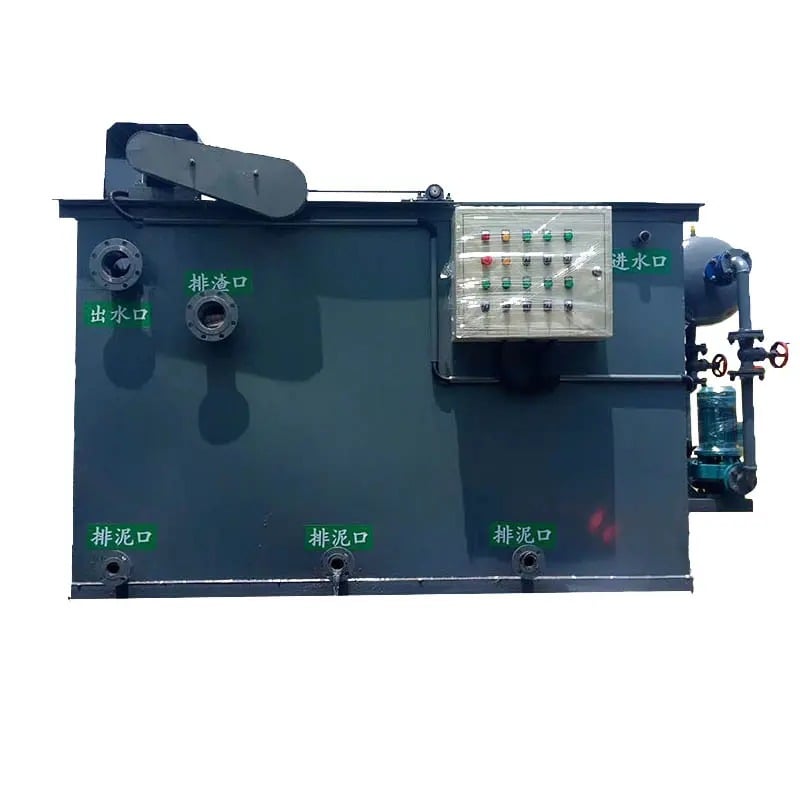
A decentralized water treatment system represents a fundamental shift in how industrial facilities and municipal operations manage wastewater. Rather than routing all effluent to a distant central treatment plant, decentralized approaches treat water at or near the source, offering flexibility that traditional infrastructure cannot match. This strategic choice becomes increasingly critical as facilities face capacity constraints, regulatory pressures, and operational challenges that centralized solutions struggle to address efficiently.
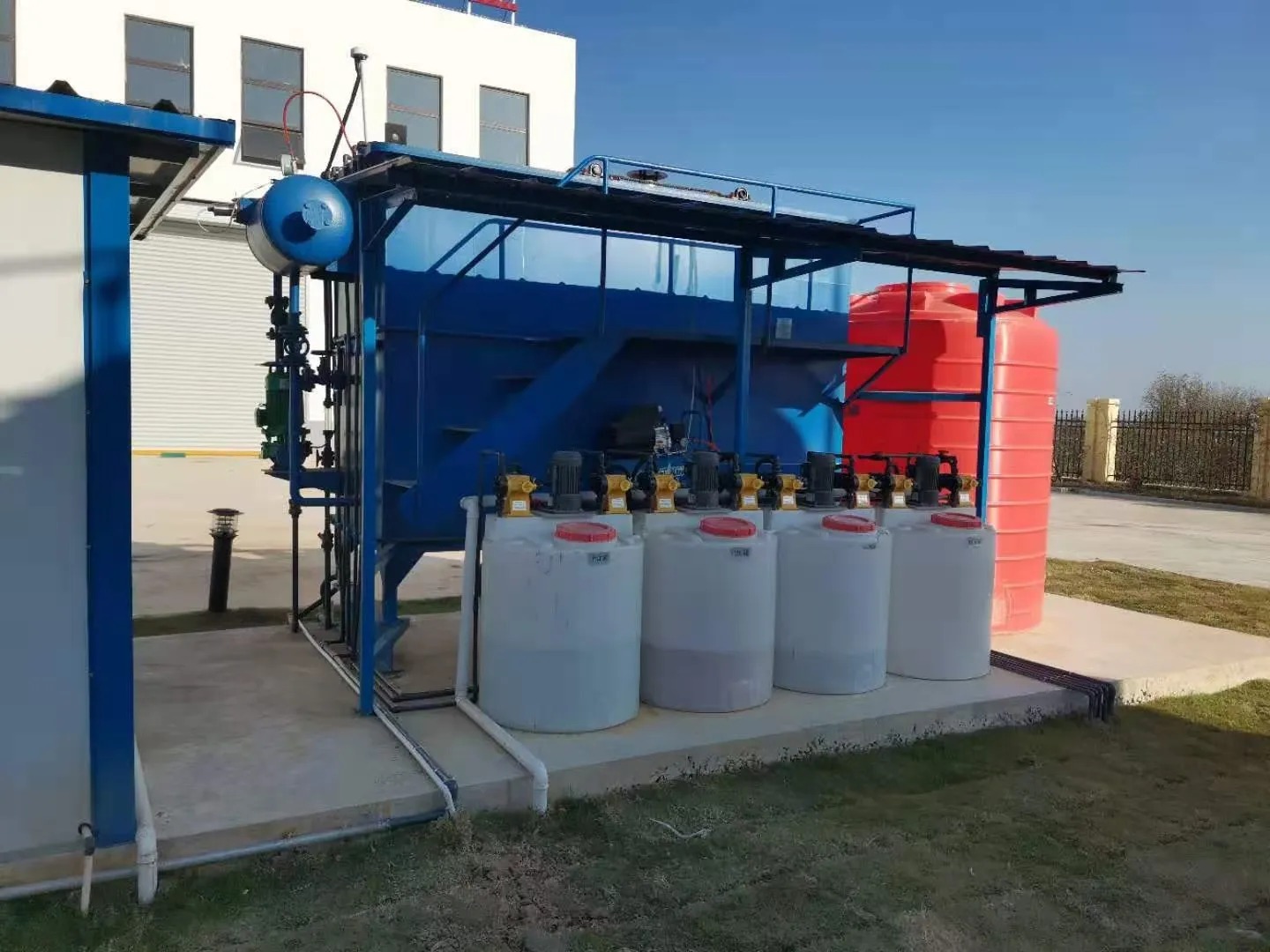
The decision to implement a decentralized solution depends on multiple technical and operational factors. Site planning plays a crucial role in determining whether onsite treatment proves more economical and effective than relying on centralized infrastructure. Understanding when decentralized systems deliver superior outcomes requires examining capacity limitations, geographic constraints, regulatory drivers, and long-term operational costs that distinguish successful implementations from poor fits.
When Capacity Challenges Drive Decentralized Decisions
Existing Infrastructure Bottlenecks
Many facilities discover that central treatment plants lack sufficient capacity to handle current or projected wastewater flows. Expanding centralized infrastructure often requires extensive permitting, construction disruption, and escalating connection fees. A decentralized water treatment system eliminates this dependency by processing wastewater onsite, bypassing congested municipal or regional treatment networks. When a facility generates significant volumes that exceed available capacity at central plants, implementing onsite treatment becomes not just practical but economically justified.
Industrial parks, manufacturing complexes, and large institutional campuses frequently experience this constraint. Rather than waiting years for central facility upgrades or paying premium surcharges for oversized flows, organizations implement onsite solutions that provide immediate relief. The capacity argument strengthens further when future expansion plans would require even larger flows, making decentralized approaches future-proof and adaptable.
Seasonal or Variable Flow Management
Facilities with highly variable wastewater generation benefit significantly from decentralized treatment. Seasonal businesses, resort properties, and manufacturing operations with cyclical production patterns create treatment demands that frustrate centralized systems designed for steady baseload processing. An onsite system provides flexibility to handle peak flows during high-demand periods while maintaining efficiency during low-volume cycles. This operational advantage translates directly into lower overall treatment costs and more reliable performance throughout operating cycles.
Site Planning Factors That Favor Decentralized Solutions
Geographic Distance and Transmission Constraints
Distance from central treatment facilities becomes a decisive factor in site planning economics. Remote industrial sites, rural manufacturing locations, and facilities situated far from municipal collection systems face substantial costs to construct and maintain lengthy transmission pipelines. These infrastructure expenses often exceed the capital investment in decentralized systems outright. Beyond pipeline construction costs, long transmission lines require regular maintenance, energy for pumping, and create vulnerability to breaks or blockages that disrupt treatment operations entirely. When site planning reveals significant distance challenges, decentralized treatment emerges as the more practical solution.
Geographic positioning also influences terrain challenges. Facilities located in areas requiring extensive excavation, bridging, or difficult soil conditions find that decentralized approaches bypass these complications entirely. By treating wastewater where it originates, onsite systems eliminate the engineering complexity and cost premiums associated with long-distance transmission in challenging topography.
Local Regulatory and Permitting Advantages
Environmental regulations and discharge standards increasingly favor decentralized treatment at the point of generation. Many jurisdictions now require facilities to manage their own effluent quality through onsite treatment rather than rely on dilution or distant central plant protocols. Site planning must account for regulatory trajectories that are shifting toward stricter local responsibility. A decentralized water treatment system allows facilities to maintain direct control over treatment chemistry, discharge quality, and compliance documentation, strengthening regulatory relationships and reducing liability exposure.
Additionally, onsite systems often face simpler permitting processes compared to new connections or upgrades at centralized facilities, which may involve complex approval from multiple agencies and competing stakeholders.
Operational and Economic Advantages of Onsite Treatment
Capital and Lifecycle Cost Economics
When evaluating total cost of ownership, decentralized systems frequently deliver superior economics compared to central treatment dependency. Connection fees, capacity surcharges, and transmission infrastructure investments add substantial expense to centralized approaches that often remains hidden in annual operating budgets. A decentralized water treatment system typically features lower upfront capital requirements than multi-year central facility expansions, with costs concentrated at the facility itself where return on investment remains transparent and controllable. Onsite treatment enables facilities to avoid perpetual rate increases imposed by centralized municipal systems struggling with aging infrastructure and rising energy costs.
The lifecycle comparison becomes even more favorable when considering energy consumption. Decentralized systems eliminate expensive transmission pumping requirements, reducing operational energy demand significantly. Over the 20- to 30-year lifespan of treatment equipment, energy savings from onsite processing create substantial cumulative advantages that compound dramatically with rising utility rates.
Operational Control and Reliability
Facilities that implement decentralized treatment gain direct operational oversight of their wastewater management. Rather than relying on distant central plant performance, onsite operators monitor treatment chemistry, equipment condition, and discharge quality in real time. This visibility enables rapid response to process deviations and prevents the cascading failures that plague centralized systems when single points of failure affect thousands of connected users. Additionally, onsite systems provide facilities with the flexibility to adjust treatment processes based on specific wastewater characteristics, rather than conforming to generic central plant protocols designed for average incoming loads.
FAQ
What determines whether onsite capacity will prove sufficient for my facility?
Sufficient onsite capacity requires accurate flow characterization across normal operations, peak periods, and growth projections. A decentralized water treatment system must match your facility's actual wastewater generation patterns, which vary by industry, production cycles, and seasonal factors. Site planning should include comprehensive waste audits, flow monitoring data, and future expansion scenarios to ensure the selected system handles both current and anticipated demands without oversizing unnecessarily.
How does site planning influence the choice between decentralized and central treatment?
Site planning evaluates geographic location relative to central facilities, available land for onsite treatment, soil conditions, regulatory requirements, and transmission infrastructure needs. Distance, terrain, local environmental standards, and permitting complexity all favor decentralized approaches at specific locations. A thorough site planning assessment quantifies infrastructure costs and long-term operational expenses to determine whether onsite treatment delivers superior economics and reliability compared to connection to centralized systems.
Can decentralized systems handle industrial wastewater with complex characteristics?
Yes, modern onsite treatment technologies excel at processing facility-specific wastewater streams with highly variable chemistry, temperature, or contaminant profiles. Because decentralized systems treat wastewater at the point of generation, operators can implement specialized treatment stages tailored to actual waste characteristics rather than generic central plant processes. This customization capability makes decentralized approaches particularly valuable for manufacturing facilities, food processing, pharmaceutical operations, and other industrial users with unique discharge requirements.

 EN