Selecting the right wastewater treatment process requires balancing initial capital investment against long-term operational expenses. The decision between CAPEX and OPEX considerations directly impacts your facility's financial viability and environmental compliance. Understanding how to compare these cost dimensions helps industrial operators, plant managers, and procurement teams make decisions aligned with both budget constraints and performance requirements. This comparison extends beyond simple price tags to encompass total cost of ownership, efficiency metrics, and regulatory obligations that govern modern wastewater management.
The financial framework for wastewater treatment involves two distinct cost categories that operate on different timescales and influence your budget planning differently. CAPEX represents the upfront capital expenditure required to purchase, install, and commission equipment, including construction, engineering, and system integration. OPEX encompasses the ongoing costs of operating and maintaining that system: energy consumption, chemical additions, labor, repairs, and compliance monitoring. Process selection therefore hinges on understanding not just which option fits your immediate budget, but which delivers the lowest wastewater treatment plant cost over the asset lifecycle.
Understanding CAPEX in Wastewater Treatment
What CAPEX Includes
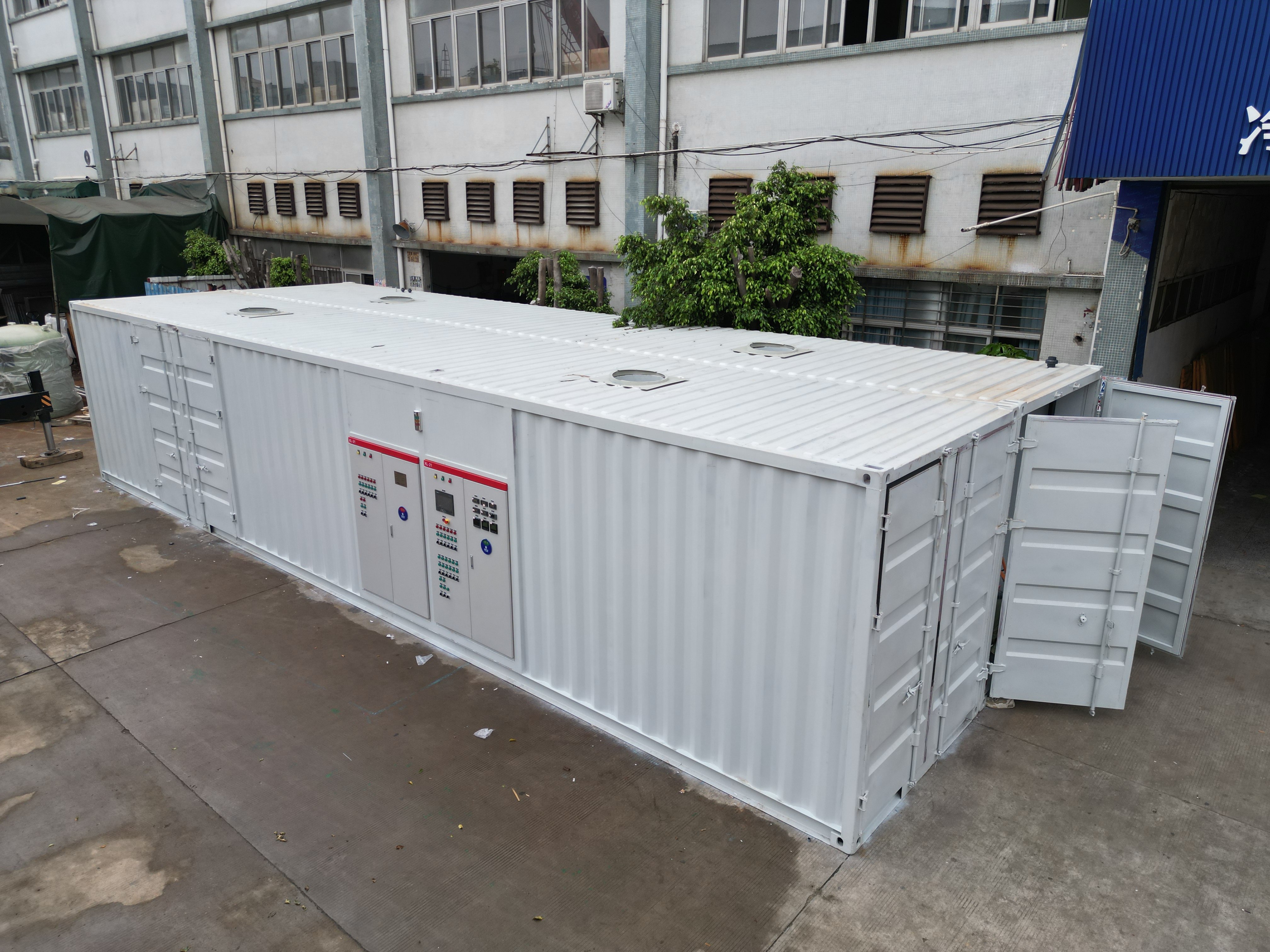
Capital expenditure for a wastewater treatment system encompasses all costs incurred before the facility becomes operational. The primary CAPEX component is equipment procurement: reactors, clarifiers, filtration units, aeration systems, and any specialized treatment technology your process selection demands. Installation and site preparation add significant cost layers, including civil work, piping, electrical infrastructure, and control systems integration. Engineering design, permitting, project management, and contingency reserves typically represent 15–25% of total CAPEX. Modular or skid-mounted treatment systems often present lower CAPEX than custom-built installations because they reduce design complexity and accelerate deployment timelines.
How CAPEX Influences Process Selection
Higher CAPEX technologies may offer superior treatment performance or regulatory margins that justify their initial cost. Conversely, process selection sometimes favors lower-CAPEX solutions when treatment requirements are modest and operational efficiency can compensate over time. Your facility's available capital and financing options directly shape which technologies become viable candidates. Organizations with limited upfront funding may prioritize process selection criteria emphasizing lower initial investment, even if OPEX remains elevated. Long-term strategic planning should factor in whether deferring investment today creates technical debt or operational constraints tomorrow.
Analyzing OPEX and Operational Efficiency
Components of OPEX
Operating expenditure dominates the true financial burden of any wastewater treatment plant cost profile over 10–20 year facility lifecycles. Energy costs often represent 40–60% of total OPEX, driven by aeration intensity, pumping requirements, and temperature control in certain processes. Chemical consumption—coagulants, flocculants, pH buffers, disinfectants—comprises the next major expense category and varies substantially based on influent characteristics and treatment objectives. Labor for operators, technicians, and supervision typically ranges from 15–30% of OPEX depending on automation level and system complexity. Maintenance materials, spare parts, equipment replacement cycles, and regulatory compliance monitoring accumulate as predictable or variable OPEX over time.
Process Selection for Operational Optimization
The process selection decision should weigh energy intensity, chemical demand, and automation requirements that determine your annual OPEX burden. Membrane-based or advanced treatment technologies may carry premium CAPEX but deliver significant OPEX savings through superior efficiency and reduced chemical dosing. Conversely, conventional activated sludge systems typically demand lower CAPEX but sustain higher OPEX through energy-intensive aeration and larger operator teams. Choosing process solutions with proven automation capabilities reduces long-term labor costs and operational variability. Your process selection must align treatment method intensity with the operational resources available at your facility.
Total Cost of Ownership and TCO Analysis
Building Your TCO Framework
Total cost of ownership integrates CAPEX and OPEX into a single financial metric spanning your treatment system's expected lifespan, typically 20–25 years for major infrastructure. TCO calculations discount future OPEX spending to present-value terms, reflecting the time value of money and allowing fair comparison across process selection options with differing cost timing. Your TCO analysis should include residual or salvage value at end-of-life, decommissioning costs, and any revenue opportunities from biosolids recovery or energy generation. Sensitivity analysis—varying key assumptions like energy pricing, treatment volumes, or regulatory requirements—reveals which process selection scenarios remain financially robust under different operational conditions.
TCO-Driven Process Selection
Rigorous TCO comparison often reverses initial process selection instincts based on CAPEX alone. A system with 20% higher CAPEX but 30% lower annual OPEX typically delivers superior TCO performance and financial risk reduction. Process selection rooted in TCO rather than short-term budget constraints aligns spending with long-term facility performance and stakeholder value. Organizations comparing treatment technologies should demand TCO models from equipment suppliers, validate assumptions with independent operators, and stress-test scenarios against regulatory changes or volume fluctuations. TCO discipline transforms wastewater treatment plant cost evaluation from a procurement exercise into a strategic asset management decision.
FAQ
Why does CAPEX matter if OPEX determines long-term costs?
CAPEX determines which technologies become financially accessible today and influences financing structure, debt service, and balance sheet impacts. Lower CAPEX enables faster deployment and reduces investor risk, making process selection sometimes favor initially cheaper options. However, choosing process solutions primarily on CAPEX alone often creates higher lifetime financial burden when OPEX compounds over decades, so balanced decision-making integrates both dimensions.
How do I calculate realistic OPEX when comparing process selection options?
Obtain actual operating data from existing facilities operating similar treatment processes under comparable conditions: influent quality, treatment targets, local energy rates, and labor costs. Adjust historical data for your site-specific parameters and include contingency margins (10–15%) for unforeseen maintenance or regulatory intensification. Engage equipment vendors and operational consultants to validate assumptions, because underestimating wastewater treatment plant cost during process selection often leads to budget overruns and operational strain.
Can modular systems reduce both CAPEX and OPEX?
Modular, skid-mounted treatment systems typically reduce CAPEX through factory integration and faster commissioning timelines. Some modular designs also optimize process efficiency and automation, lowering OPEX compared to custom-built alternatives. Process selection toward modular solutions works best when your treatment requirements align with available module configurations, and when supply chain access and maintenance support remain reliable throughout your facility's operational life.

 EN