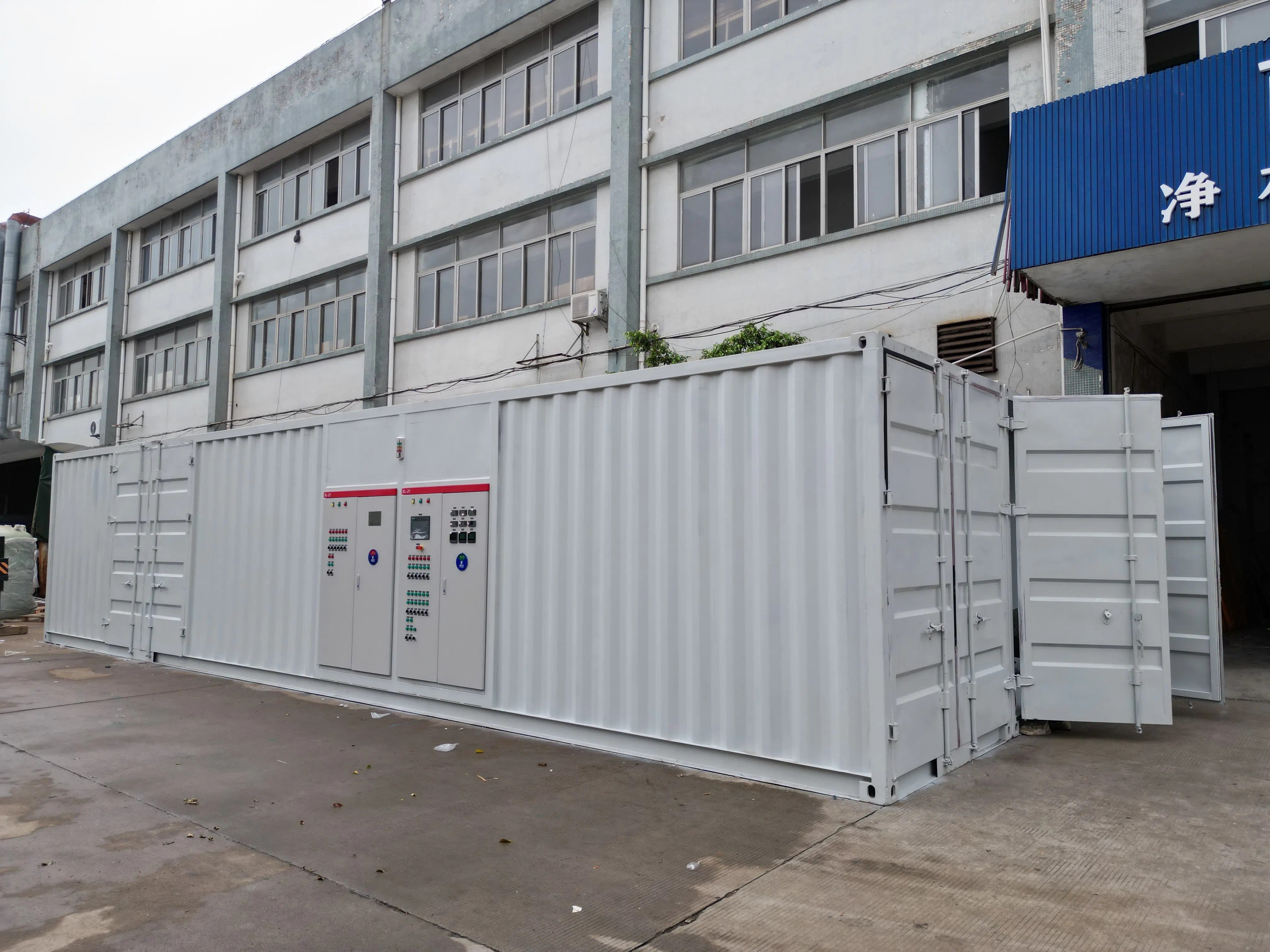
When evaluating multiple vendors for a wastewater treatment plant price, facility managers often focus primarily on the bottom-line cost without examining what each quotation truly includes or excludes. This common oversight creates scope gaps that emerge only after contract signing, leading to unexpected costs, project delays, and operational challenges. Understanding how to identify and prevent scope gaps during the quotation comparison process is critical to securing accurate pricing and avoiding costly surprises. A thorough comparison requires examining not just the headline figures but the detailed specifications, service boundaries, equipment inclusions, and warranty terms embedded within each proposal.
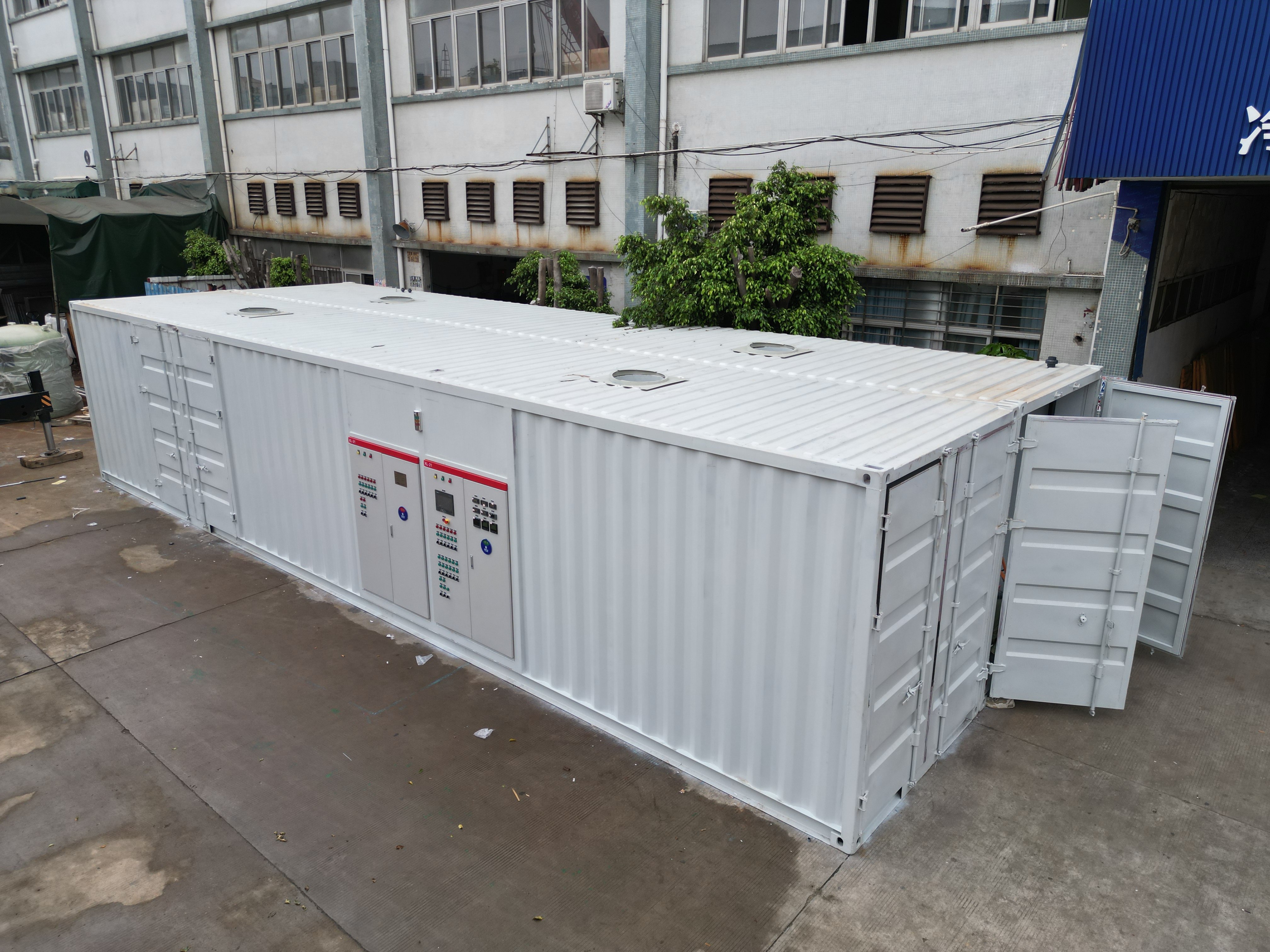
Scope gaps represent misalignments between what a facility believes it is purchasing and what the vendor actually commits to delivering. These gaps often stem from vague quotation language, unstated assumptions, missing system components, or ambiguous service responsibilities. During quotation comparison, the contract terms define legal obligations, so vendors who leave critical details unspecified may later claim those items fall outside their scope. By developing a structured approach to evaluate and standardize quotations before making a selection, you protect your facility from this financial and operational risk.
Understanding Scope Gaps in Quotation Review
What Defines a Scope Gap
A scope gap occurs when the actual wastewater treatment plant price quote does not align with the project requirements your facility submitted. This may happen when a vendor omits equipment components, provides insufficient detail about system functionality, or fails to specify who handles installation, testing, or commissioning. Scope gaps are particularly common in complex infrastructure projects where specifications are technical and open to interpretation. Identifying gaps requires comparing the quotation line items against your original request for proposal and industry standards.
Common scope gap categories include missing pre-treatment stages, incomplete automation controls, excluded auxiliary systems such as sludge handling or odor management, vague performance guarantees, and undefined maintenance responsibilities. Each of these gaps can substantially impact the wastewater treatment plant price and your total cost of ownership. A quotation that appears cheaper may simply have excluded items that competitors included, making direct comparison impossible without detailed scope analysis.
Why Scope Gaps Create Hidden Costs
When a scope gap is discovered after contract signing, the facility typically faces three costly options: accept substandard performance, negotiate expensive change orders, or replace the vendor entirely. Change orders add time and expense, often coming at premium rates because the vendor controls the relationship once under contract. These unexpected costs frequently exceed the original quotation and erode the facility's budget. Furthermore, operational delays while resolving scope disputes can disrupt wastewater treatment schedules and trigger regulatory compliance issues, making scope gaps far more expensive than the initial savings from selecting a lower bid.
Standardizing Quotations for Accurate Comparison
Creating a Detailed Request for Quotation Template
The foundation for preventing scope gaps is a comprehensive, detailed request for quotation that all vendors receive identically. This template should specify every system component, operational requirement, performance standard, and service responsibility relevant to your wastewater treatment plant price evaluation. Include technical drawings, flow diagrams, water quality targets, regulatory compliance requirements, and expected operating conditions. When all vendors respond to the same detailed specifications, their quotations become directly comparable because they address identical scopes.
Your quotation template must define not just equipment but also services and boundaries. Specify whether the quoted price includes site survey, design engineering, equipment supply, installation labor, system testing, staff training, documentation, and warranty services. Clearly identify which party handles site preparation, utility connections, and regulatory approvals. The more explicitly you define scope in your request, the less latitude vendors have to exclude items later or claim ambiguity.
Establishing Standardized Line Item Breakdowns
Require vendors to organize their wastewater treatment plant price quotations using a standardized line item structure you provide. This structure should separate equipment, installation, controls, commissioning, training, and warranty into distinct categories. This breakdown forces vendors to be explicit about what they include and prevents them from burying omissions within vague total figures. When comparing quotations, identical line item structures allow side-by-side analysis, making scope differences immediately visible.
The standardized structure also clarifies the comparison between vendors offering different contractual approaches. One vendor might include installation in their base price while another lists it separately; without standardization, the lower headline figure could obscure a higher total cost. By requiring consistent line item presentation, you can calculate total project cost accurately and identify which quotation provides the best actual value.
Detailed Contract Review Techniques
Comparing Technical Specifications Across Quotations
Before making a selection based on wastewater treatment plant price alone, conduct a detailed technical review of each quotation's specification section. Verify that all equipment models, capacities, materials, and performance ratings match your stated requirements. Check whether each quotation addresses all process stages you specified, such as primary treatment, secondary treatment, and tertiary polishing. Look for differences in control system sophistication, automation level, and monitoring capabilities. These technical variations often explain price differences and reveal hidden scope gaps.
Create a comparison matrix that lists your original requirements against each vendor's quotation response. Where a vendor's offering diverges from your requirements, ask for clarification rather than assuming equivalence. For example, if you specified stainless steel tanks and a quotation lists carbon steel, that difference affects price, durability, and maintenance—it is not a minor detail. Technical specification comparison prevents you from accidentally comparing systems that are not actually equivalent, which is a primary cause of scope misunderstanding.
Examining Service Boundaries and Warranty Terms
Scope gaps frequently hide within service boundary definitions and warranty language. Review each quotation carefully to identify what the vendor commits to versus what remains your responsibility. Does the quotation include equipment warranty but exclude labor warranty? Is system commissioning included or quoted separately? Will the vendor provide ongoing support, or do you need to hire independent service personnel? These service distinctions substantially impact your long-term costs and operational control.
Warranty terms reveal significant scope differences between quotations. One vendor might offer a 5-year comprehensive warranty covering parts and labor, while another provides only a 1-year parts warranty excluding labor. The warranty scope affects the true cost of ownership because it determines your future maintenance expenses. By extracting warranty terms from each quotation and comparing them in a contract matrix, you identify which vendor is truly taking responsibility for system performance and which is leaving risk with you.
FAQ
How can I identify a scope gap before signing a contract?
Identify scope gaps by comparing the vendor's quotation against your original specifications and request for quotation line by line. Ask vendors to confirm every item you specified is included; silence or vague language often indicates a gap. Request a written scope statement that explicitly lists what the vendor will deliver and what remains outside their responsibility. Have an independent technical reviewer audit the quotation to ensure all system components required for your wastewater treatment plant price investment are accounted for before you commit.
Should I always choose the lowest quotation for wastewater treatment plant price?
No. The lowest quotation may simply exclude items that higher quotations include, creating a scope gap rather than genuine savings. Always compare quotations on a total-cost basis after standardizing scope across all vendors. Calculate the true cost by adding the base price, any excluded components quoted separately, service charges, and warranty provisions. A slightly higher quotation that includes comprehensive scope may deliver better value than a lower bid missing critical components.
What contract language prevents scope gaps?
Include explicit scope definition language such as 'Vendor will deliver and install all equipment and controls specified in attached Exhibit A' and 'Vendor will conduct factory testing and commissioning as detailed in Section 4.2.' Define exclusions clearly, such as 'Site electrical infrastructure and permitting are customer responsibility' rather than leaving items ambiguous. Use the quotation to incorporate scope by reference into the final contract, ensuring quotation details legally bind the vendor to what they proposed.

 EN