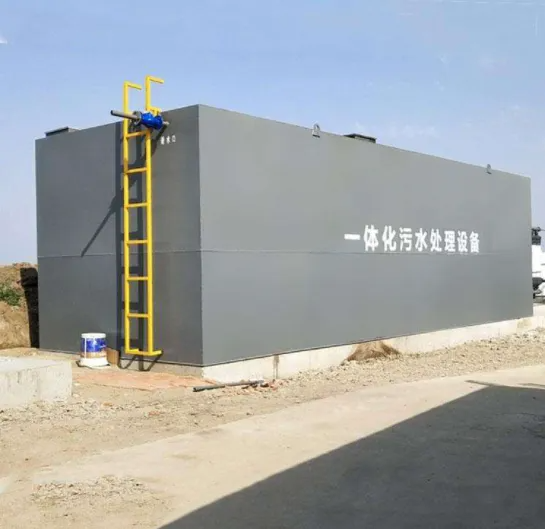
Manufacturing facilities and processing plants consume vast quantities of freshwater daily, yet much of this water leaves the facility as wastewater. An industrial water recycling system transforms this challenge into an opportunity by capturing, treating, and reusing water that would otherwise be discharged or sent to municipal treatment plants. By implementing water recovery and reuse technologies, industrial operations can dramatically reduce their freshwater demand while simultaneously lowering operational costs, environmental impact, and regulatory compliance burdens.
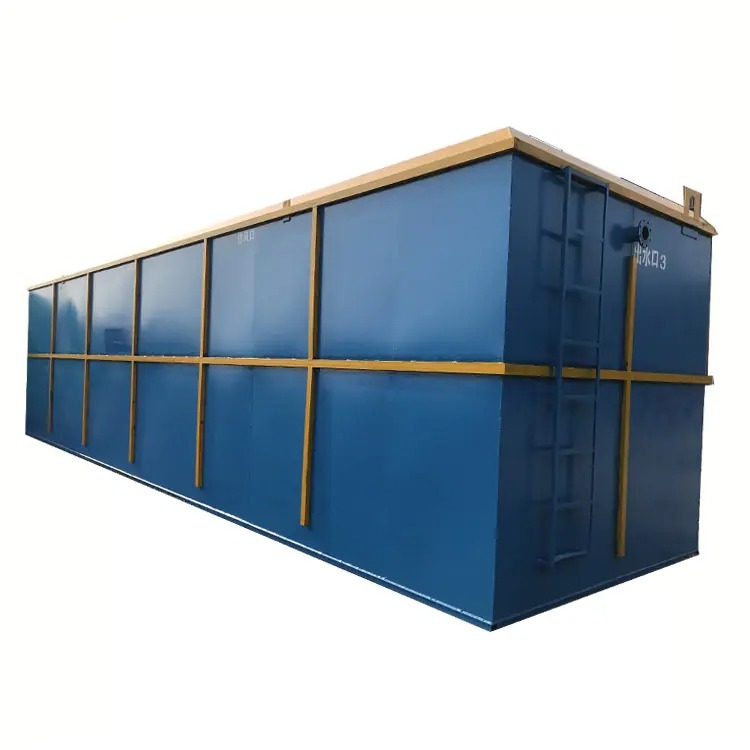
The principle behind water reuse is straightforward: treat process water to a quality level suitable for its intended reuse application, then circulate it back into production. Modern industrial facilities can achieve freshwater reduction of 30 to 70 percent through strategic water recovery initiatives. This shift toward closed-loop water management not only conserves a critical resource but also generates measurable economic and environmental returns that extend well beyond immediate water savings.
Understanding Water Recovery Technology and Freshwater Reduction
How Recovery Systems Work in Industrial Settings
A comprehensive industrial water recycling system begins with source separation and pre-treatment. Water streams generated during cooling, rinsing, washing, or processing are collected and directed to treatment trains designed for that specific water quality. Recovery processes typically employ screening, settling, filtration, and advanced treatment stages to remove suspended solids, oils, dissolved metals, and organic compounds. The treated water then either returns to the production process or feeds secondary reuse applications such as irrigation, dust control, or facility cleaning.
Membrane technology has become central to modern recovery systems because it delivers consistently high-quality treated water. Microfiltration, ultrafiltration, nanofiltration, and reverse osmosis each serve distinct recovery roles depending on contaminant profiles and reuse quality standards. A well-designed membrane-based system can reduce freshwater intake by treating reclaimed water to near-potable standards, enabling it to replace freshwater in multiple applications across the facility.
Quality Targets and Reuse Application Matching
Successful freshwater reduction depends on matching treated water quality to the reuse application. Cooling tower makeup water typically requires less stringent treatment than process water or wash systems. By adopting a tiered reuse strategy, facilities can optimize recovery economics by applying membrane treatment only where necessary. For example, secondary reuse applications such as dust suppression or grounds irrigation can accept lower-quality recovered water, freeing higher-grade treated water for more demanding processes and maximizing overall reuse and freshwater reduction across the site.
Implementing Water Reuse for Operational and Environmental Benefit
Capital Investment and Payback Timeline
Installing an industrial water recycling system requires upfront capital for treatment equipment, piping infrastructure, and controls. However, the payback period typically ranges from two to five years depending on local water costs, discharge fees, and the volume of water available for recovery. Facilities facing high water rates, stringent wastewater discharge limits, or seasonal water scarcity often see faster payback. Beyond financial returns, recovery and reuse systems reduce regulatory pressure by lowering discharge volumes and protecting local water resources, which creates long-term business resilience.
Operational benefits extend beyond water and cost savings. Reduced freshwater demand lowers treatment and pumping energy requirements. Membrane systems provide consistent water quality, which can improve product consistency and reduce yield loss in sensitive manufacturing processes. Many industrial operations report that enhanced process control from recycled water integration leads to better overall facility performance and reduced operational variability compared to reliance on variable municipal freshwater supplies.
Sustainability and Regulatory Alignment
Corporate sustainability commitments increasingly require documented freshwater reduction and water reuse metrics. An industrial water recycling system directly supports environmental, social, and governance (ESG) objectives and demonstrates tangible water stewardship. Regulatory agencies in water-stressed regions now offer permits, rate incentives, or grants that favor facilities implementing recovery and reuse. By adopting membrane-based water recycling, industrial operations position themselves ahead of tightening water use regulations and earn stakeholder trust through measurable conservation action.
Optimizing System Performance and Maintaining Long-Term Reuse
Monitoring, Maintenance, and Water Quality Assurance
Sustained freshwater reduction requires ongoing operational discipline. Membrane systems demand regular monitoring of pressure, flow, turbidity, and other water quality parameters to ensure treated water meets reuse specifications. Preventive maintenance—including membrane cleaning, filter replacement, and equipment inspections—protects system reliability and avoids costly downtime. Automation and real-time analytics now enable facilities to optimize recovery efficiency by adjusting treatment intensity based on incoming water variability, which maintains reuse quality while minimizing chemical and energy consumption.
Documentation and compliance tracking are equally important. Facilities should establish baseline freshwater consumption, measure treated water volumes and quality throughout recovery operations, and calculate actual freshwater reduction achieved. This data supports regulatory compliance, internal reporting, and future system optimization decisions. Third-party water audits can validate recovery performance and identify additional reuse opportunities that further reduce freshwater demand.
Scaling and System Expansion Strategies
Many facilities begin with a pilot recovery system targeting one water stream or production area. Successful pilots demonstrate economic and operational benefits that justify expanding reuse to additional water streams or production lines. Modular system designs allow staged capacity increases without replacing the entire installation. As experience grows, industrial operations often identify unexpected reuse opportunities and can adapt their water recovery infrastructure to capture additional freshwater reduction benefits over time.
FAQ
What percentage of freshwater demand can an industrial water recycling system reduce?
Freshwater reduction through water recovery typically ranges from 30 to 70 percent, depending on water stream characteristics, treatment technology employed, and reuse application diversity. Facilities with high-volume, consistently composed wastewater streams often achieve higher reduction percentages. A detailed water audit identifying available water sources and reuse opportunities is the first step toward estimating realistic freshwater reduction potential for your specific operation.
Are membrane systems required for all industrial water recycling applications?
Membrane technology is highly effective for achieving high-quality water reuse, but not all applications require it. Secondary reuse such as dust control or irrigation may tolerate simpler treatment such as filtration and settling. However, membrane-based recovery systems offer superior reliability, consistent water quality, and flexibility to support multiple reuse applications simultaneously, making them the preferred choice for facilities pursuing maximum freshwater reduction and operational resilience.
How long does it take to see financial returns from water recovery and reuse investment?
Most industrial operations recover their investment in an industrial water recycling system within two to five years through water cost savings, reduced wastewater discharge fees, and operational efficiency gains. Facilities in high-water-cost regions or those facing regulatory discharge penalties often see faster payback. Additional benefits such as improved product quality, reduced downtime, and avoided future water rate increases extend the true return on investment well beyond the initial payback period.

 EN