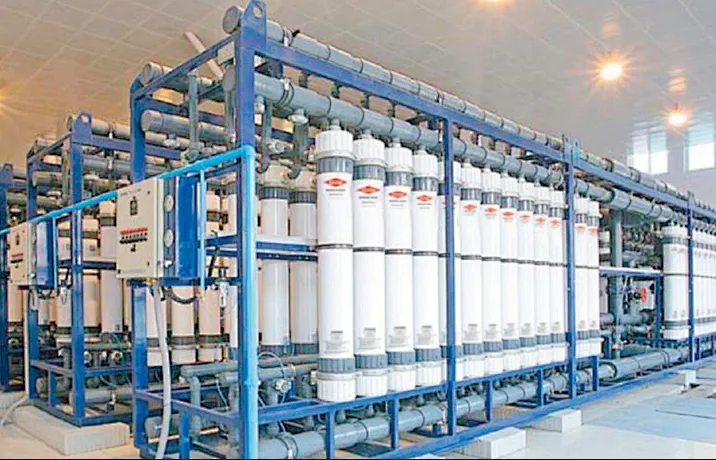
Designing an effective industrial water treatment system requires a clear understanding of what your operation actually needs. Many facility managers and engineers struggle with this fundamental question: what exactly should your process water quality targets be? The answer depends on your specific application, industry regulations, and operational efficiency goals. Rather than adopting generic quality standards, you need to work backward from your actual requirements to determine realistic and cost-effective targets for your industrial water treatment system.
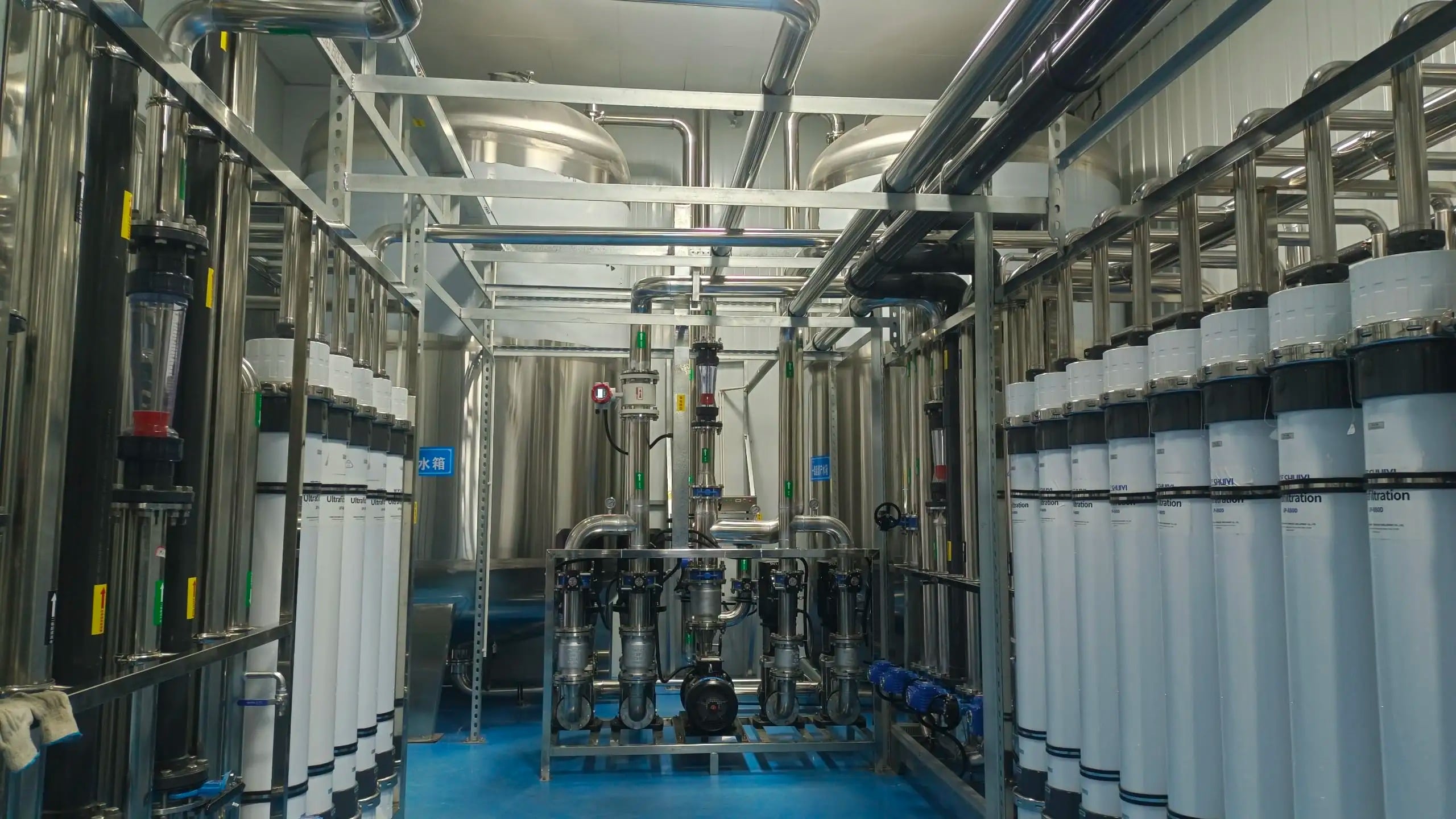
Process water serves as a critical input for manufacturing, cooling, cleaning, and product formulation across industries. The quality of this water directly impacts equipment lifespan, product consistency, operational costs, and environmental compliance. Setting appropriate targets means identifying which parameters matter most for your production line and what levels prevent equipment fouling, reduce downtime, and maintain product standards without overtreatment.
Understanding Your Application Requirements
Identifying Critical Contaminants
The first step in designing your industrial water treatment system is determining which contaminants pose genuine risks to your operation. Different industries have vastly different tolerance levels. A pharmaceutical facility manufacturing injectables requires extremely pure water, whereas a facility using water for cooling towers can tolerate higher mineral content. Your process water must meet the specific demands of boilers, reverse osmosis membranes, electrodeionization systems, or direct manufacturing use. Begin by auditing your current equipment specifications and product requirements, then cross-reference industry standards relevant to your sector.
Mapping Quality Parameters
Water quality encompasses multiple measurable parameters including conductivity, pH, total dissolved solids, hardness, silica, iron, and bacterial counts. Not every parameter demands the same level of attention. For instance, a facility relying on RO technology must carefully control silica and hardness to prevent membrane fouling, whereas EDI systems require lower ionic content but tolerate organic compounds better than RO. Your industrial water treatment system design must prioritize the parameters that directly affect your most sensitive equipment or product specification. Document baseline water quality from your current supply, then define target ranges rather than single-point values, allowing operational flexibility.
Selecting Appropriate Treatment Technologies
Reverse Osmosis for Mineral Reduction
RO technology removes dissolved solids and most ions by forcing water through semipermeable membranes under pressure. This process water treatment method works exceptionally well when your target is reducing total dissolved solids, conductivity, or hardness. However, RO achieves roughly 70 to 85 percent rejection, meaning some contaminants pass through the permeate. Your industrial water treatment system must account for post-RO polish stages if ultra-pure water quality is required. RO also generates significant reject streams, so your facility design must address disposal, recycling, or reuse pathways. The technology suits applications where moderate to high mineral reduction is needed without demanding laboratory-grade purity.
Electrodeionization for Ultra-Pure Water
EDI represents an advancement over older ion-exchange resin methods by using electrical potential to continuously regenerate ion-exchange media. This approach produces water quality approaching laboratory standards, with conductivity often below 1 microsiemens per centimeter. Process water treated through EDI contains minimal ions, silica, and dissolved gases, making it ideal for pharmaceutical manufacturing, semiconductor processing, or power plant feedwater. Your industrial water treatment system incorporating EDI typically uses RO as a pre-treatment stage to reduce the ionic load before EDI polishing. This two-stage configuration optimizes cost and performance, delivering exceptional water quality without the chemical regeneration waste of older technologies. EDI technology provides consistent quality across varying inlet conditions, offering operational stability.
Setting Realistic and Achievable Targets
Balancing Quality with Operating Cost
Over-specification of water quality drives unnecessary treatment costs through extended operating times, frequent membrane replacement, and higher chemical usage or electrical consumption. Your process water targets must reflect genuine operational needs, not worst-case industry standards. A cooling tower circulating water rarely requires the purity that a pharmaceutical formulation needs. Conduct cost-benefit analysis by calculating the economic impact of each quality level improvement against its treatment cost. Your industrial water treatment system should deliver consistent, reliable water quality that satisfies your application while minimizing energy and maintenance expenditure. Target specifications should include acceptable ranges rather than fixed points, allowing your treatment system to operate efficiently without constant adjustment.
Documentation and Regulatory Compliance
Establish documented water quality specifications that align with applicable regulations for your industry and region. Regulatory requirements vary significantly, with pharmaceutical production requiring FDA or European Pharmacopoeia compliance, whereas food and beverage processing follows different standards. Your industrial water treatment system design documentation should clearly state the water quality targets, specify how frequently monitoring occurs, and define corrective actions when results drift outside acceptable ranges. Maintain records demonstrating that your process water consistently meets defined targets, providing evidence of quality assurance and regulatory compliance. This documentation protects your facility during inspections and provides operational reference for troubleshooting.
FAQ
What process water quality parameters require the most attention in an industrial water treatment system?
The most critical parameters depend on your specific application, but conductivity, pH, total dissolved solids, hardness, and silica commonly demand close monitoring. For RO-based systems, silica and hardness levels directly affect membrane performance. For EDI technology, ionic content and organic contaminants require tight control. Pharmaceutical facilities focus intensely on bacterial counts and endotoxin levels, whereas power generation facilities prioritize silica and corrosive ion reduction. Review your equipment manufacturer specifications and your facility's quality standards to identify which parameters matter most for your process water.
How do RO and EDI technologies work together in an industrial water treatment system design?
RO serves as the primary reduction stage, removing 70 to 85 percent of dissolved solids and ions, which lowers the ionic load entering the EDI stage. EDI then polishes the RO permeate, using electrical regeneration to achieve ultra-pure water quality with conductivity below 1 microsiemens per centimeter. This two-stage approach optimizes both cost efficiency and final water quality, avoiding the expense of EDI alone while still producing laboratory-grade process water. The RO pre-treatment extends EDI service life and reduces electrical consumption within the EDI module.
How often should I review and adjust my water quality targets for an industrial water treatment system?
Review your water quality targets at minimum annually or whenever your production processes change, products are reformulated, or equipment is upgraded. Quarterly reviews of actual performance against targets help identify trends indicating equipment degradation or feedwater quality shifts. If regulatory requirements change or if you expand operations to new geographic regions with different water supplies, reassess your targets promptly. Maintain records of these reviews and any adjustments made, demonstrating proactive quality management for your industrial water treatment system and supporting regulatory compliance demonstrations.

 EN