
laboratory-wastewater-treatment-system-for-battery-rd-centers--fujian-project, laboratory-wastewater-treatment-system-for-battery-rd-centers--fujian-project, /case-studies
EN
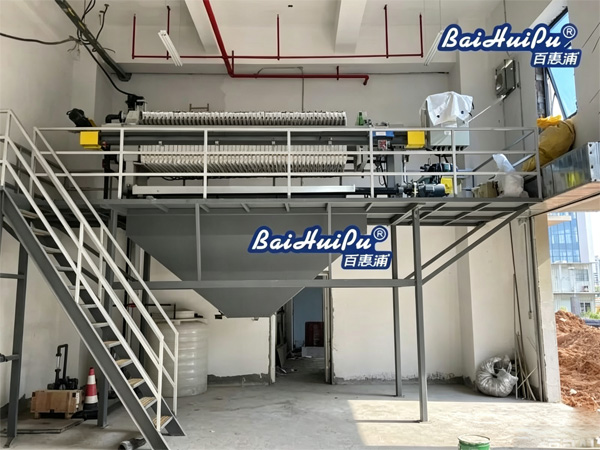
An integrated laboratory wastewater treatment solution combining pretreatment, hydrolytic acidification, A/O biological treatment, secondary clarification, and activated carbon adsorption for battery R&D wastewater containing heavy metals, electrolytes, and organic contaminants, ensuring compliant discharge and partial water reuse.
The customer is a leading energy storage technology company specializing in the research, development, manufacturing, and commercialization of:
The company is committed to providing safe, efficient, clean, and sustainable energy solutions worldwide while continuously developing next-generation energy storage products with:
Baihuipu has established a long-term partnership with the customer through multiple environmental engineering projects. This case study focuses on the laboratory wastewater treatment system designed for its battery R&D center.
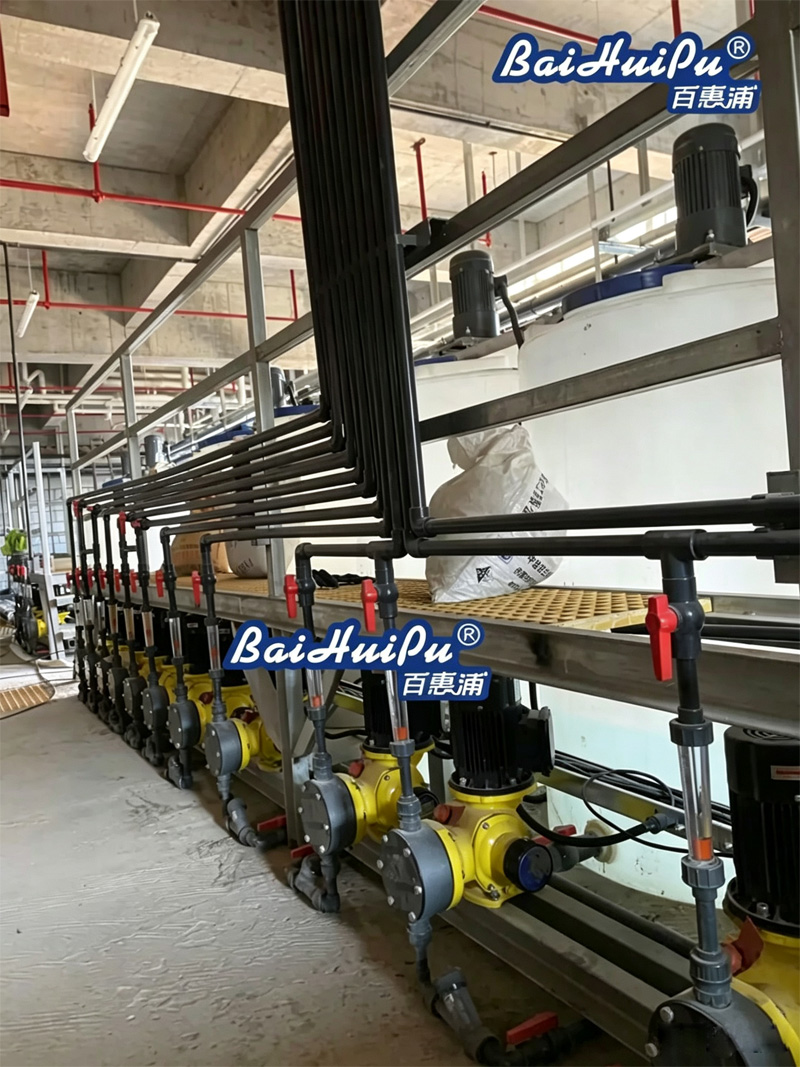
Customer: Leading Energy Storage Technology Company
Project: Battery Laboratory Wastewater Treatment System
Treatment Capacity: 50 m³/day
Commissioning Year: 2023
Pretreatment → Hydrolytic Acidification → A/O Biological Treatment → Secondary Clarifier → Activated Carbon Adsorption → Compliant Discharge
Designed to comply with the Pollutant Discharge Standard for the Electronics Industry.
Generated during battery performance testing, including:
This wastewater typically contains small quantities of organic solvents together with acidic and alkaline compounds. Wastewater composition varies significantly depending on the specific laboratory experiment.
Produced during the cleaning of:
Typical contaminants include suspended solids, trace heavy metals, and residual cleaning chemicals.
During battery research and development, equipment malfunctions or operational incidents may result in the accidental release of battery materials and electrolytes.
This wastewater is characterized by:
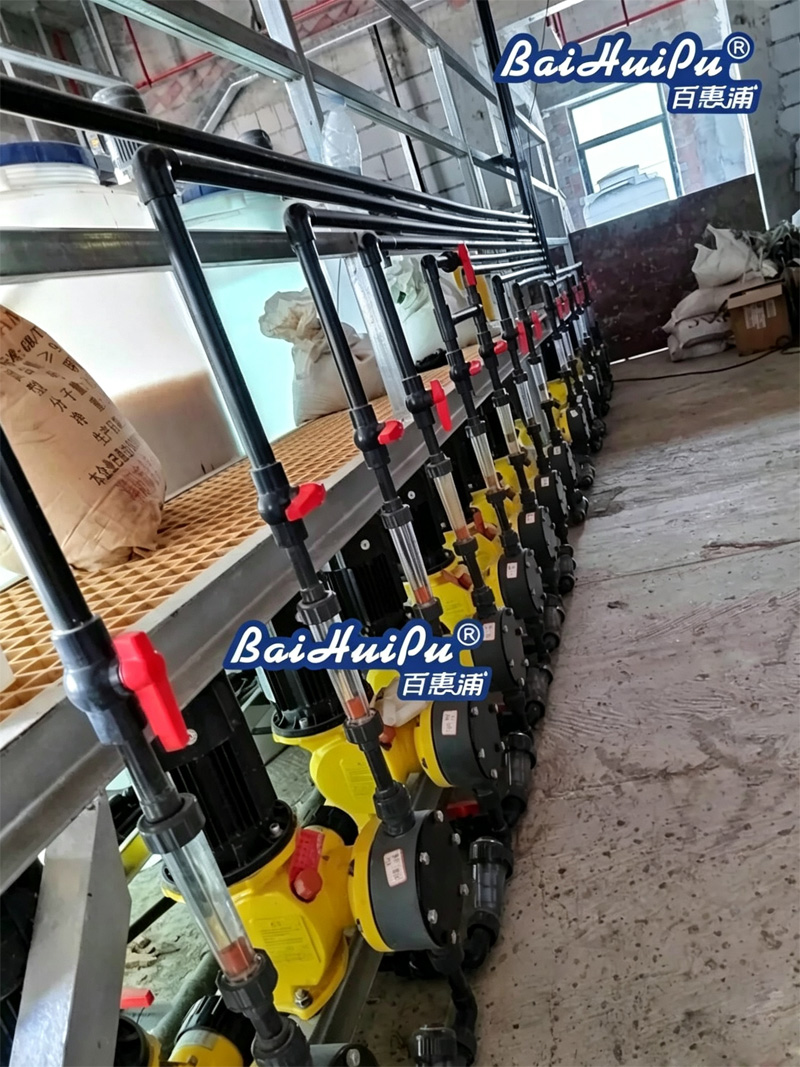
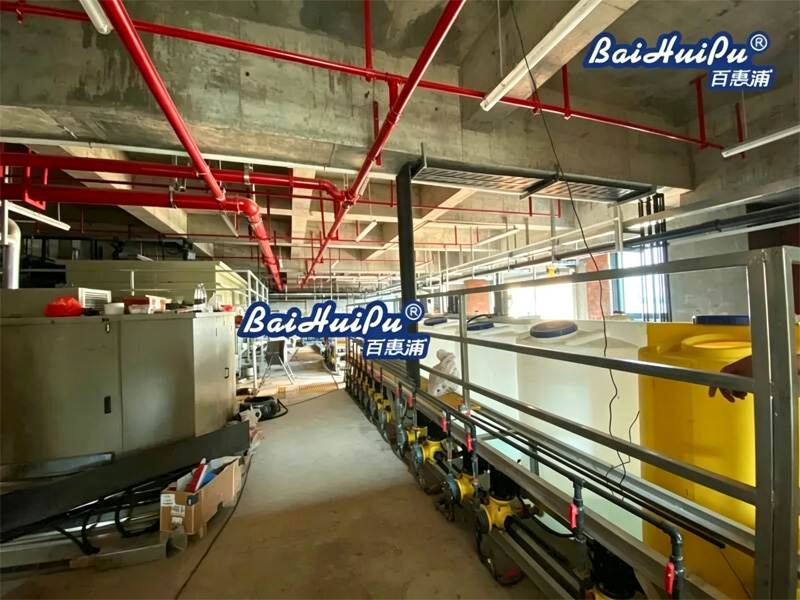
Based on the customer's laboratory operations and wastewater characteristics, Baihuipu developed a customized integrated treatment system.
Wastewater first passes through coarse screening to remove fibers, plastic debris, and other large particles that could damage downstream equipment.
An equalization tank then balances both wastewater flow and pollutant concentrations, ensuring stable operating conditions for subsequent treatment processes.
Advanced oxidation technologies—including ozone oxidation and Fenton oxidation—are employed to effectively degrade organic pollutants and ammonia nitrogen, converting them into more biodegradable or harmless compounds.
Residual refractory organic contaminants are subsequently treated through hydrolytic acidification, improving biodegradability before entering the biological treatment stage.
The wastewater then passes through an A/O (Anaerobic/Oxic) biological treatment system, where specialized microbial communities further remove residual organic contaminants.
Following biological treatment, a secondary clarifier separates activated sludge from the treated water.
As a final polishing step, activated carbon adsorption removes trace organic compounds, color, odor, and residual contaminants, ensuring stable compliance with discharge requirements.
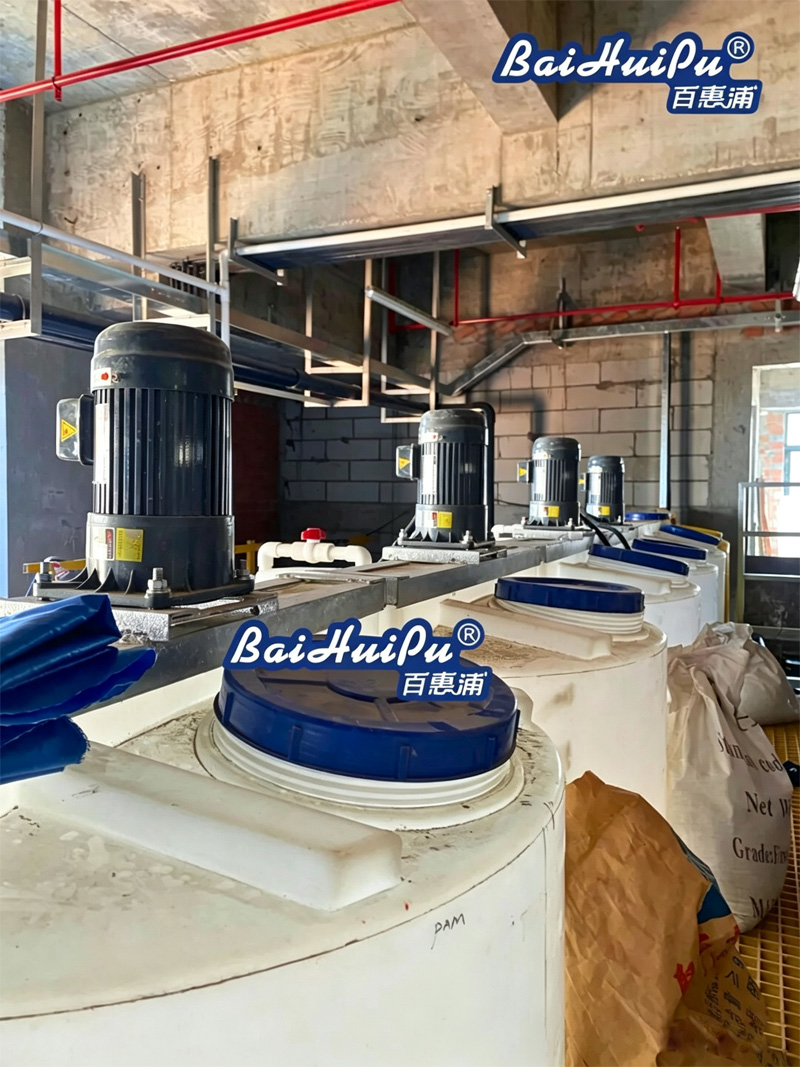
Since commissioning, the treatment system has consistently achieved all required discharge standards for laboratory wastewater.
Key water quality indicators, including organic pollutants and other regulated contaminants, consistently meet national and local environmental discharge standards.
A portion of the treated wastewater is recycled for:
This reduces freshwater consumption while improving overall water utilization efficiency.
The project has delivered significant operational advantages by:
With increasingly stringent environmental regulations for China's new energy industry, lithium battery manufacturers and research institutions face growing pressure to achieve higher environmental performance while expanding production capacity.
Government authorities continue to strengthen supervision of industrial wastewater discharge, requiring battery manufacturers to achieve higher production output without increasing environmental impact.
Consequently, there is an increasing demand for wastewater treatment systems that offer:
Baihuipu remains committed to integrating physicochemical treatment technologies with biological treatment processes, leveraging the strengths of both approaches to efficiently treat complex lithium battery wastewater. This integrated treatment philosophy represents one of the most practical and effective solutions for managing refractory wastewater generated by modern battery manufacturing and R&D facilities.
The successful implementation of this laboratory wastewater treatment project further demonstrates Baihuipu's expertise in providing reliable, cost-effective, and environmentally compliant wastewater treatment solutions for the global lithium battery and energy storage industry.

 EN