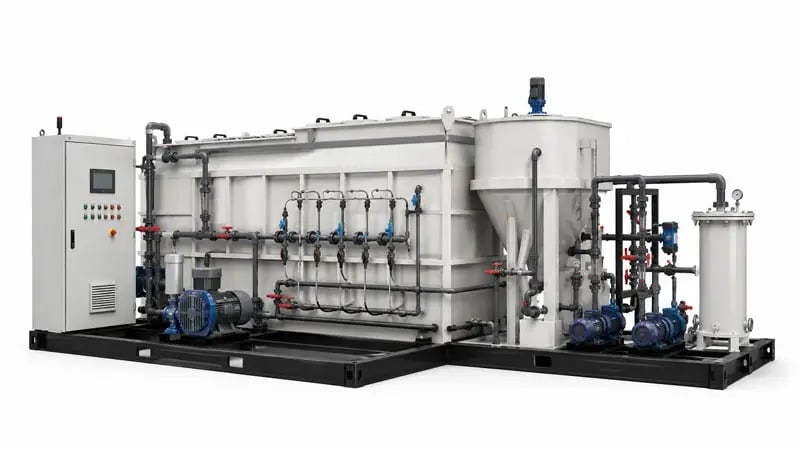
Operating an effective mbbr stp process requires consistent attention to multiple water quality indicators. Daily monitoring forms the backbone of treatment plant performance, ensuring regulatory compliance and treatment efficiency. Without structured daily observation, operators risk performance degradation, environmental violations, and elevated operational costs. The complexity of a moving bed biofilm reactor demands understanding which parameters directly impact biological activity, pollutant removal, and system reliability.
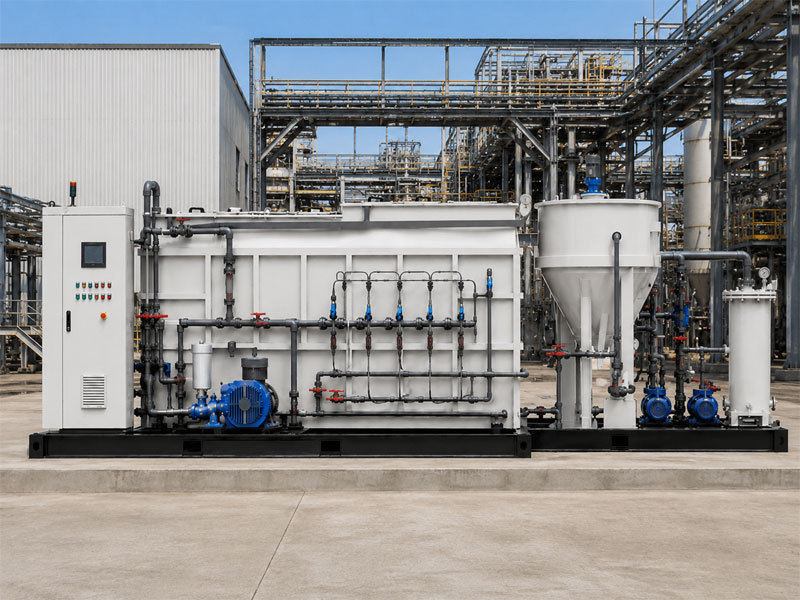
Daily parameter tracking in the mbbr stp process directly influences treatment outcomes and operational stability. Biological treatment systems depend on real-time feedback to adjust aeration, sludge removal, and influent distribution. Operators who establish systematic daily monitoring routines achieve better effluent quality, reduce troubleshooting time, and extend equipment lifespan. This guide identifies the critical parameters that define success and explains how each measurement informs operational decisions.
Dissolved Oxygen and Aeration Management
Why DO Matters in MBBR Operation
Dissolved oxygen, or DO, is the single most influential parameter in aerobic biofilm reactors. The biofilm microorganisms require adequate DO to metabolize organic matter and convert ammonia to nitrate. When DO levels drop below 2 mg/L, nitrification slows dramatically, reducing the mbbr stp process effectiveness. Conversely, excessive DO above 8 mg/L increases aeration costs without proportional treatment benefits and can inhibit denitrification if the reactor lacks anoxic zones.
Daily DO Monitoring Protocol
Operators should measure DO at least twice daily—morning and afternoon—at consistent sampling points within the reactor. A portable dissolved oxygen meter provides rapid results and guides real-time aeration adjustments. Target DO levels typically range from 3 to 6 mg/L depending on influent characteristics and effluent standards. If DO readings decline suddenly, check aerator functionality, ensure blower intake filters are clean, and verify that media bed packing remains uniform across the tank.
Chemical Oxygen Demand and Organic Loading
Understanding COD in Treatment Process Control
Chemical oxygen demand measures the total organic content in wastewater and directly correlates with biological treatment burden. In the mbbr stp process, influent COD determines the substrate available to biofilm communities and informs hydraulic retention time calculations. Effluent COD reflects treatment quality and regulatory compliance; most standards require 50 to 100 mg/L depending on discharge classification. COD removal efficiency typically ranges from 70 to 90% in properly operated systems, making it a key performance indicator.
COD Measurement and Response Actions
Daily COD testing should include both influent and effluent samples to calculate removal efficiency. While rapid COD analyzers exist, many plants use weekly laboratory tests supplemented by daily surrogate parameters like turbidity and biochemical oxygen demand. If effluent COD rises unexpectedly, investigate influent COD spikes, check for biofilm detachment from media, and verify mixed liquor suspended solids concentration. Sustained high COD in the effluent signals the mbbr stp process is hydraulically or biologically overloaded.
Ammonia Conversion and Nutrient Balance
Ammonia as a Nitrification Indicator
Ammonia concentration in influent and effluent directly reflects nitrification performance in the mbbr stp process. Aerobic biofilm bacteria convert ammonia to nitrite and then nitrate through nitrification, a process essential for nitrogen removal and regulatory compliance. Typical effluent ammonia standards range from 1 to 5 mg/L depending on discharge permits and receiving water sensitivity. When biofilm nitrifiers function optimally, the mbbr stp process can achieve 80 to 95% ammonia removal even at high influent concentrations.
Daily Ammonia Monitoring and Optimization
Measure both influent and effluent ammonia daily using portable test kits or automated analyzers. Ammonia concentration provides early warning of process stress before it manifests in effluent standards violations. If effluent ammonia rises above target levels, increase DO, extend retention time by reducing hydraulic flow, or reduce sludge wasting to preserve nitrifying biomass. Monitoring ammonia trends helps operators distinguish between temporary influent variations and chronic nitrification failures requiring corrective intervention.
Supporting Parameters for Comprehensive System Assessment
Mixed Liquor Suspended Solids and Biofilm Health
Mixed liquor suspended solids concentration indicates the density of active biomass available for treatment in the mbbr stp process. Typical operating ranges fall between 3,000 and 8,000 mg/L, balancing treatment capacity with oxygen transfer efficiency. Daily MLSS monitoring helps operators detect excessive sludge accumulation or unintended biomass loss. If MLSS declines rapidly, investigate media damage, excessive slip-off of biofilm, or inadequate sludge return from clarifiers.
pH, Temperature, and Operational Stability
pH and temperature influence enzyme activity, microbial growth rates, and nutrient bioavailability in the mbbr stp process. Daily pH measurement ensures the system remains within the optimal range of 6.5 to 8.5 for nitrification. Temperature monitoring, though less actionable in ambient systems, helps explain seasonal treatment variations and guides winter operation adjustments. Both parameters require simple field instruments and provide diagnostic context when other indicators suggest problems.
FAQ
How often should dissolved oxygen be measured in an MBBR reactor?
Dissolved oxygen should be measured at least twice daily at consistent sampling locations. Some modern systems employ real-time online DO sensors that log measurements every 15 minutes, enabling immediate aeration control response. Manual daily measurements at fixed times establish baseline trends and verify sensor accuracy, making the combination of continuous monitoring and manual verification an industry best practice.
What COD level indicates the mbbr stp process is overloaded?
Effluent COD persistently above permit limits, typically 50 to 150 mg/L depending on standards, signals process overload. If COD removal efficiency drops below 60%, investigate influent COD spikes, biofilm detachment, or insufficient aeration. Compare influent COD to design specifications; if actual loading consistently exceeds design capacity, hydraulic retention time is insufficient and flow reduction or system expansion may be necessary.
Why is daily ammonia monitoring critical for treatment compliance?
Ammonia measurement provides early warning of nitrification failure before effluent standards violations occur. Many discharge permits include ammonia limits of 2 to 8 mg/L, and regulatory agencies increasingly impose penalties for exceedances. Daily ammonia trending allows operators to adjust DO, sludge wasting, or hydraulic retention time proactively, preventing permit violations and protecting the receiving water ecosystem from excess nitrogen loading.

 EN