Industrial wastewater streams often carry unpredictable organic loads and variable influent conditions. Selecting the right biological wastewater treatment system determines whether your facility can sustain compliance, avoid upset conditions, and maintain operational cost efficiency. Two dominant technologies dominate this decision: MBBR and MBR systems. Both use microorganisms to break down contaminants, yet they differ fundamentally in how they manage suspended biomass, handle load variation, and fit specific industrial contexts. Understanding these differences is essential before investing in treatment infrastructure.
Both MBBR and MBR are proven biological treatment approaches used across pharmaceutical, food processing, chemical manufacturing, and municipal sectors. The choice between them hinges on plant size, space constraints, load variation patterns, and long-term operating expenses. This comparison examines core mechanics, performance under stress conditions, capital and maintenance costs, and suitability for different industrial wastewater scenarios.
Technology Fundamentals and Design Principles
How MBBR Systems Work
Moving Bed Biofilm Reactor (MBBR) systems use plastic media carriers suspended in an aerated basin. Microorganisms colonize the surface of these media, forming a biofilm layer. As air bubbles rise through the reactor, they keep the media in continuous motion while providing oxygen to the biofilm. Treated liquid flows through the basin and over a screen that retains the media while allowing effluent to exit. This moving bed design creates a high surface area for microbial attachment within a relatively compact footprint.
The MBBR approach offers significant flexibility. Operators can adjust media fill percentage to modulate treatment capacity without hardware changes. If influent load variation occurs, the biofilm can partially detach and reattach as conditions shift, adapting biomass inventory to current demand. This resilience under variable conditions makes MBBR systems particularly attractive for industries experiencing seasonal peaks or unpredictable discharge patterns.
How MBR Systems Work
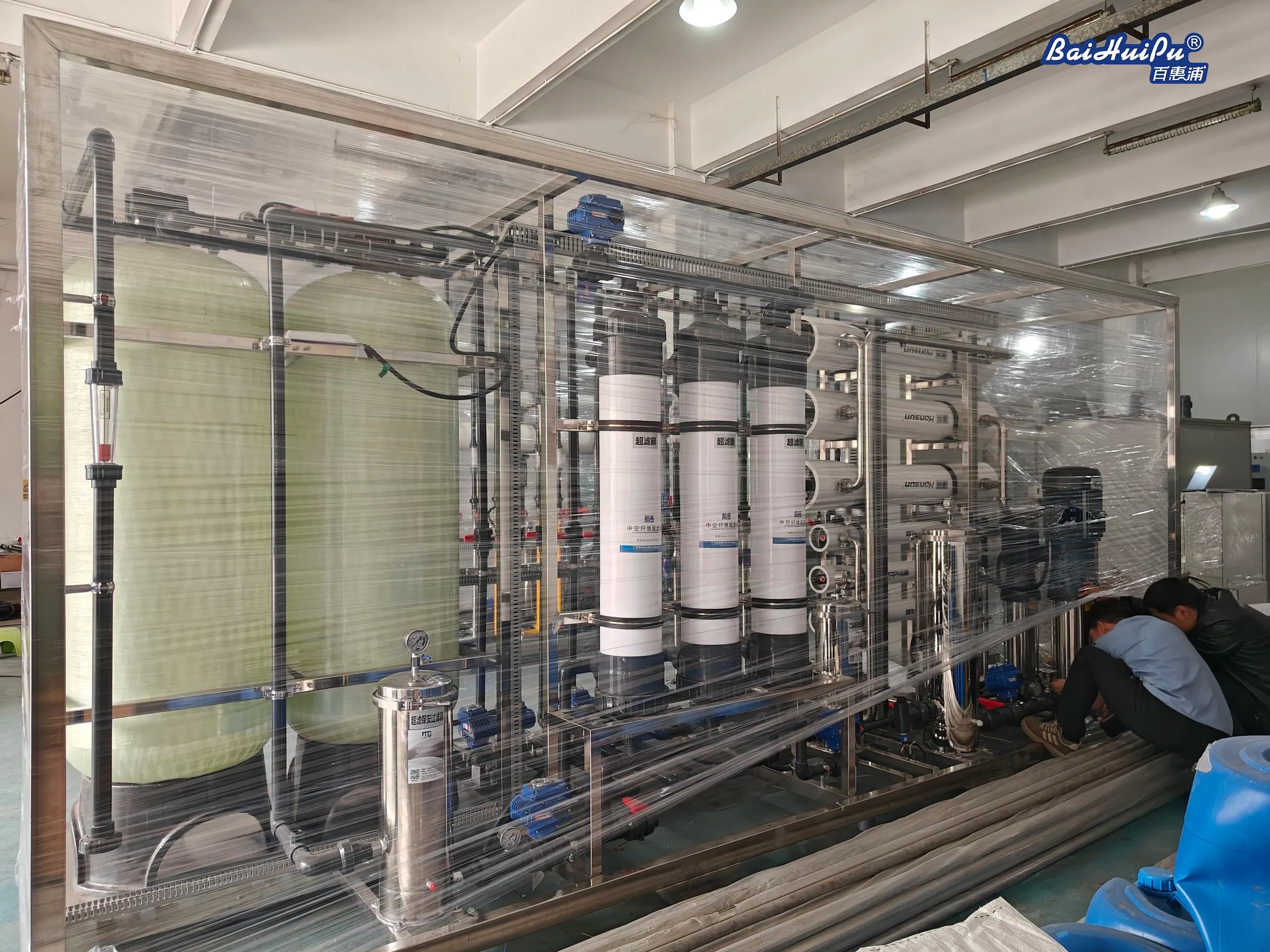
Membrane Bioreactor (MBR) systems combine activated sludge treatment with membrane filtration in a single vessel or parallel arrangement. Microorganisms suspended as flocs in the mixed liquor oxidize organic matter. A submerged or external membrane—typically microfiltration or ultrafiltration—physically separates solids from treated water. The membrane acts as a physical barrier, capturing biomass and producing high-quality effluent suitable for reuse or stringent discharge limits. Rejected solids return to the reactor to maintain active biomass concentration.
MBR systems eliminate the need for secondary clarification. The membrane guarantees pathogen removal and suspended solids elimination, meeting the strictest regulations. However, load variation directly impacts membrane flux and operational pressure, requiring careful process control to prevent fouling and maintain consistent throughput.
Performance Under Load Variation and Stress Conditions
MBBR Resilience to Variable Influent
Industrial wastewater rarely arrives at constant concentration and flow. Seasonal production cycles, batch discharge patterns, and equipment failures create sudden surges or dry periods. MBBR technology handles load variation more gracefully than many alternatives. The biofilm buffer effect means that when organic loading spikes, biofilm thickness increases; when loading drops, excess biofilm detaches naturally. Excess sludge production remains manageable because the system automatically moderates its biomass inventory based on available substrate.
During sudden hydraulic shocks or organic peaks, MBBR reactors degrade pollutants steadily rather than becoming overwhelmed. The continuous aeration and media movement prevent dead zones where sludge settles and becomes anaerobic. This stability under load variation reduces the frequency of treatment upset, spillover events, and regulatory violations—critical advantages for facilities with unpredictable discharge patterns.
MBR Performance Under Variable Loading
MBR systems maintain excellent final effluent quality even during load variation because the membrane physically removes all biomass regardless of sludge age or settling characteristics. However, high organic load spikes increase sludge accumulation in the reactor, raising mixed liquor suspended solids (MLSS) concentration. Higher MLSS increases membrane fouling propensity, requiring more frequent backwashes or chemical cleaning. Hydraulic shocks that overwhelm biological conversion capacity lead to rising sludge volume index (SVI), worsened fouling, and elevated transmembrane pressure.
Facilities with extreme load variation must size MBR systems more conservatively, accepting lower average throughput or requiring more sophisticated process control. Capital costs rise because larger membrane areas and more robust aeration systems become necessary to buffer variability and prevent membrane damage.
Capital Investment, Operating Costs, and Long-Term Economics
MBBR Cost Structure
MBBR systems typically require lower upfront capital investment than comparable MBR installations. The media cost is modest, aeration equipment is standard blower technology, and screening mechanisms are simple mechanical devices. Installation and civil works are straightforward because no specialized membrane equipment or complex piping arrangements are needed. A biological wastewater treatment system based on MBBR design scales efficiently from 50 m³/day to 1000 m³/day plants without disproportionate cost increases.
Operating expenses center on energy consumption for aeration, periodic media replacement (typically every 5–7 years), and routine sludge removal. Energy represents the largest recurring cost, but MBBR systems generally consume 30–40% less electrical energy per unit of BOD removed compared to membrane systems because no filtration pressure is required. Maintenance is straightforward: screen cleaning, blower servicing, and sludge dewatering. Labor requirements remain modest because no membrane chemical cleaning protocols or sophisticated instrumentation demand constant attention.
MBR Cost Structure
MBR systems command higher capital cost due to membrane modules, specialized submerged or external piping, vacuum systems, chemical dosing equipment, and more complex controls. A comparison of similarly-sized plants shows MBR installations costing 25–40% more upfront. However, MBR systems produce lower sludge volume because high MLSS means concentrated biomass retention, reducing dewatering and disposal expenses compared to conventional treatment.
Operating costs reflect membrane maintenance: periodic backwashing using treated permeate, chemical cleaning (typically every 6–12 months), and eventual membrane cartridge replacement at 5–10 year intervals. Energy demand for membrane filtration pumps and aeration to maintain target MLSS adds operational burden. Skilled technicians must monitor fouling trends, adjust cleaning protocols, and manage membrane life. For facilities requiring reusable or exceptionally clean effluent, these costs are justified; for basic compliance with variable-load treatment, MBBR often delivers superior financial performance.
Industry Application Scenarios and Suitability Assessment
When MBBR Systems Fit Better
Pharmaceutical manufacturing plants with batch-driven discharge cycles benefit from MBBR's load variation tolerance. Food processing facilities experiencing seasonal input fluctuations maintain stable treatment performance without process upset. Chemical plants with unpredictable production schedules avoid the fouling risk inherent to MBR systems under shock loading. MBBR systems also suit retrofit situations where existing basins are available—media can often be added to underutilized clarifiers, reducing capital expense. Space-constrained facilities appreciate MBBR's compact footprint and the ability to expand by simply adding media fill percentage without major civil works.
When MBR Systems Are Preferred
Industries facing exceptionally stringent discharge limits or reuse requirements favor MBR systems. Textile dyers, advanced electronics manufacturers, and facilities in water-scarce regions benefit from membrane-guaranteed effluent quality and reuse potential. MBR systems shine in confined urban settings where space is premium and zero discharge to waterways is mandated. When regulatory frameworks demand pathogen elimination and suspended solids below 1 mg/L, MBR guarantees compliance without additional polishing stages. For consistent influent quality and stable operating conditions, MBR systems deliver superior reliability and minimal biological variability.
FAQ
What is the typical sludge production difference between MBBR and MBR?
MBBR systems typically produce 20–30% more sludge volume than MBR systems on a mass basis because biofilm and suspended biomass are both present and extracted together. However, MBBR sludge has better dewaterability and lower disposal cost per unit volume. MBR systems concentrate biomass at higher MLSS levels, producing more compact solids but requiring more sophisticated dewatering equipment. For load variation scenarios, MBBR sludge production remains proportional to actual biological conversion, while MBR systems may accumulate excess biomass during low-load periods, inflating sludge disposal costs unnecessarily.
Can an MBBR system handle shock loads without treatment failure?
Yes, MBBR systems tolerate sudden organic and hydraulic shocks far better than conventional activated sludge or MBR systems. The biofilm buffer absorbs peak loading by temporarily thickening; if shocks persist, biofilm detaches gradually rather than washing out. During hydraulic surges, the media retention screen prevents biomass washout even if flow exceeds design capacity momentarily. MBR systems under identical shock conditions experience rapid MLSS rise, membrane fouling acceleration, and potential membrane damage if transmembrane pressure exceeds safe limits. For industries with predictable shock events, MBBR design is inherently more resilient.
Which biological wastewater treatment system requires more operator expertise?
MBR systems demand higher operator skill because membrane fouling management requires constant monitoring of differential pressure, permeability trends, and cleaning strategy optimization. Incorrect chemical cleaning or excessive backwash frequency accelerates membrane degradation. MBBR systems are more forgiving: operators adjust aeration rate, monitor dissolved oxygen, and manage sludge removal, but the process is more self-regulating. For facilities lacking specialized wastewater expertise, MBBR systems offer simpler daily operation and lower risk of equipment damage from procedural errors. MBR systems justify the training investment when effluent quality demands or regulatory requirements absolutely require membrane-level separation.

 EN