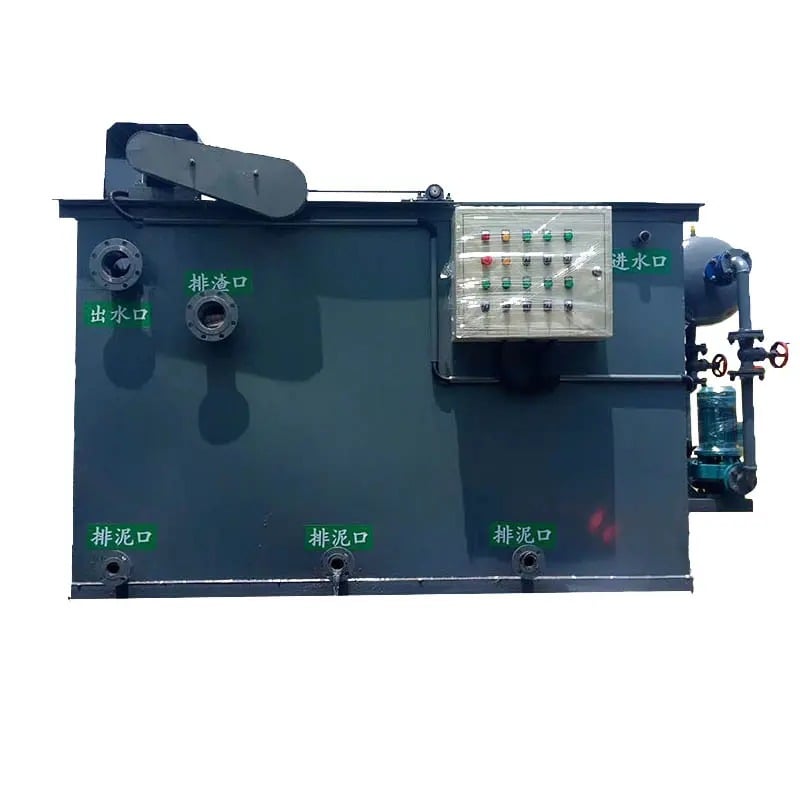
Deciding whether to invest in an onsite wastewater treatment system requires careful evaluation of operational, regulatory, and financial factors. For many industrial facilities, manufacturing plants, and remote commercial operations, centralized municipal treatment simply isn't feasible or cost-effective. The question isn't whether onsite treatment technology exists—it does—but rather when the business case becomes compelling enough to justify the capital investment, ongoing maintenance, and operational oversight.
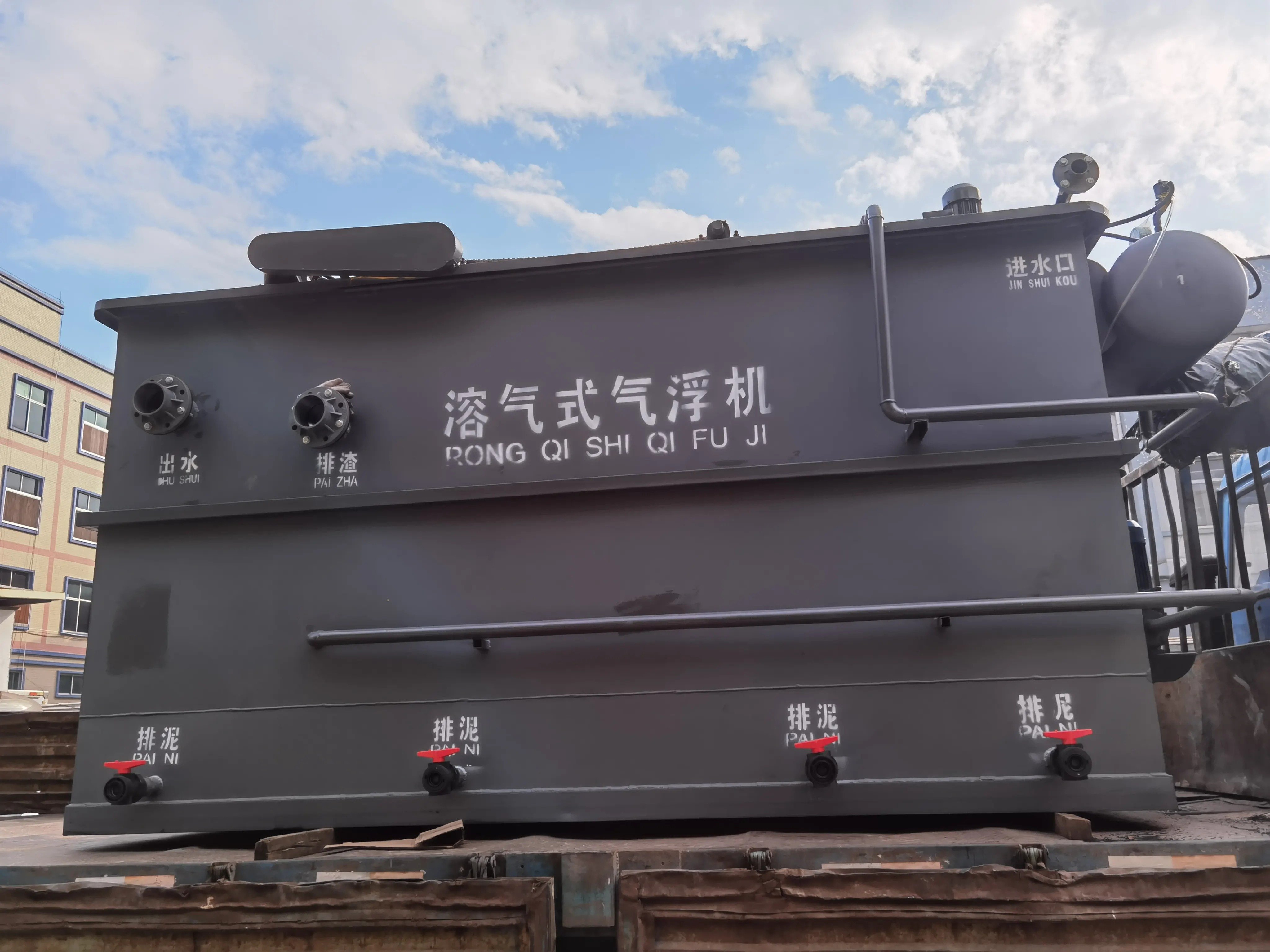
Understanding when onsite treatment makes sense requires examining three interconnected dimensions: regulatory discharge requirements, available treatment technology options, and your facility's unique site constraints. Each of these factors influences both the urgency and the return on investment of an onsite solution. This article explores the key decision drivers, helping you determine whether an onsite system aligns with your operational and financial strategy.
Regulatory Discharge Requirements and Environmental Compliance
Understanding Local Discharge Standards
Discharge regulations vary significantly by geography, industry, and water body proximity. Municipal treatment plants are designed to handle conventional wastewater, but industrial facilities often generate effluent with unique characteristics—higher solids, chemical contamination, elevated temperature, or specialized contaminants. When your facility's discharge doesn't meet municipal standards, or when your volume exceeds municipal capacity, an onsite wastewater treatment system becomes economically justified. Environmental agencies increasingly mandate stringent discharge limits near sensitive ecosystems, forcing facilities to exceed traditional treatment levels.
The cost of exceeding discharge standards without proper treatment is severe. Regulatory fines, production shutdowns, and environmental remediation can exceed onsite system capital costs within months. Facilities near rivers, wetlands, or coastal areas face the highest scrutiny because regulators protect these zones intensively. Many facilities discover that their current discharge methods will soon violate updated regulations, making preemptive onsite investment a business necessity rather than an optional upgrade.
Achieving Compliance Through Targeted Treatment
An onsite wastewater treatment system gives you precise control over effluent quality. Rather than hoping municipal treatment removes your specific contaminants, onsite systems target your exact discharge challenges. Food processing facilities need to reduce biological oxygen demand and solids. Chemical manufacturers require heavy metal precipitation and pH adjustment. Data centers need cooling water clarity and temperature management. Each industry benefits from customized onsite treatment that municipal systems cannot provide cost-effectively for a single user.
Compliance certainty reduces operational risk dramatically. When you control treatment directly, you avoid penalties from municipal system failures or capacity overruns. Regulatory inspectors understand that dedicated onsite systems demonstrate commitment to environmental stewardship, often resulting in more favorable permitting and reduced inspection frequency for compliant operators.
Reuse Opportunities and Resource Recovery Value
Creating Revenue Through Treated Water Reuse
Modern onsite wastewater treatment systems enable water reuse for non-potable applications, fundamentally changing the economics of treatment. Rather than paying both treatment and disposal costs, facilities can treat wastewater to a reusable standard and deploy it for cooling loops, process make-up water, irrigation, or dust suppression. This dual-benefit model—simultaneous wastewater treatment and water supply—dramatically improves return on investment. Facilities facing water scarcity or high municipal water rates benefit most significantly from reuse capability.
Industrial facilities consuming high volumes of process water find onsite treatment especially attractive. A textile mill treating 500,000 gallons daily can recover 60–80 percent for reuse through properly designed onsite systems. That recovered water eliminates expensive municipal purchases and reduces discharge volume simultaneously. When municipal water costs exceed $3 per thousand gallons plus sewer charges, recovered water becomes a valuable asset justifying system investment within 3–5 years of operation.
Environmental and Branding Value of Reuse Strategies
Beyond direct cost recovery, water reuse enhances corporate sustainability credentials. Customers increasingly require supply chain transparency regarding environmental impact. Demonstrating active water conservation and wastewater reuse strengthens competitive positioning, particularly for industries like food and beverage, pharmaceuticals, and consumer products. An onsite wastewater treatment system enabling reuse signals responsible operations and may qualify facilities for preferential purchasing consideration from environmentally conscious clients.
Regulatory frameworks increasingly incentivize water reuse through reduced discharge fees, expedited permitting, or grant programs. Some jurisdictions offer tax credits for facilities implementing nonpotable water reuse systems. These incentives further improve the financial case for onsite treatment investment, particularly in water-stressed regions where regulators actively encourage conservation.
Site Constraints and Geographic Feasibility Factors
Distance from Municipal Infrastructure and Treatment Capacity
Facilities located far from municipal sewer lines face prohibitively high connection costs. Extending municipal infrastructure across rural areas, industrial parks, or dispersed campuses can exceed $50 per linear foot, making connections economically infeasible for remote operations. In these situations, an onsite wastewater treatment system becomes the only practical option rather than a strategic choice. Geographic isolation transforms onsite treatment from optional investment to operational necessity.
Even when municipal systems are proximate, capacity constraints may prevent new connections. Aging municipal plants operating at or above design capacity cannot accept additional discharge without expansion. Facilities cannot delay operations while municipalities complete multi-year infrastructure projects, making onsite treatment the fastest path to operational readiness. This scenario occurs frequently in mature industrial areas where municipal systems are fully allocated.
Limited Space and Environmental Site Constraints
Site constraints profoundly influence onsite treatment feasibility and system selection. Facilities with limited land area require compact, skid-mounted treatment solutions that occupy minimal footprint. Urban manufacturing facilities, retrofitted industrial sites, and constrained industrial parks often lack space for traditional lagoon systems, making advanced treatment technologies essential. Modern modular onsite systems provide high treatment performance in surprisingly small spaces, enabling solutions where space constraints previously prohibited onsite treatment.
Groundwater conditions, soil permeability, and subsurface geology affect treatment system design significantly. Facilities with poor soil drainage or shallow groundwater may face strict limitations on land-based treatment methods. Impervious soils require engineered solutions that onsite systems provide reliably. Understanding site constraints early prevents costly design iterations and ensures selected treatment technology matches your facility's geographic and hydrogeologic reality.
FAQ
What is the typical payback period for an onsite wastewater treatment system investment?
Payback periods typically range from 3 to 7 years depending on municipal water and sewer rates, discharge fee structures, and reuse potential. Facilities with high water consumption and expensive municipal rates see faster returns, sometimes achieving payback within 2–3 years when reuse opportunities are maximized. Those investing primarily for regulatory compliance or capacity constraints may experience longer payback periods but gain operational certainty that justifies the investment independent of direct financial returns.
Can an onsite wastewater treatment system handle variable discharge volumes throughout the day?
Modern onsite systems accommodate variable flow rates through equalization tanks, load balancing features, and flow-responsive treatment processes. Manufacturing facilities with peak production periods and slower off-peak operations benefit from this flexibility. Treatment performance remains consistent even when daily flow varies by 50 percent or more, though system sizing must account for peak demands. Proper design ensures that variable discharge doesn't compromise treatment quality or regulatory compliance.
What ongoing maintenance do onsite wastewater treatment systems require?
Routine maintenance includes sludge removal, equipment inspections, filter or membrane replacements, and regular laboratory testing to verify discharge compliance. Monthly preventive maintenance typically costs 1–3 percent of system capital investment annually, depending on technology complexity and discharge requirements. Facilities should budget operator training, spare parts inventory, and emergency service access to ensure consistent performance and compliance throughout the system lifecycle.

 EN