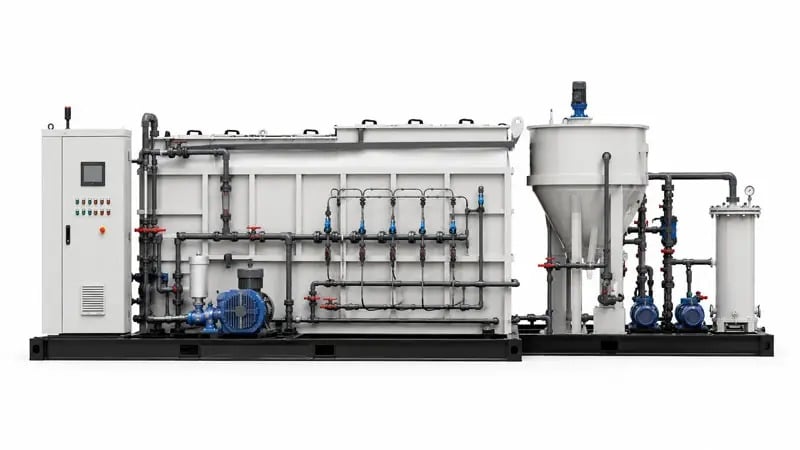
Undersizing a packaged wastewater treatment plant is one of the most common and costly mistakes facility operators make. When a treatment system cannot handle peak loads, it fails to meet discharge regulations, causes environmental violations, and requires expensive retrofitting or replacement. The challenge lies in accurately predicting flow variations and choosing the right capacity from the start. Many operators focus only on average daily flow rates and ignore the dramatic swings that occur during peak hours, seasonal changes, or emergency situations. Understanding how to properly assess peak load conditions and design adequate treatment capacity ensures your facility remains compliant, protects your investment, and maintains operational reliability for years to come.
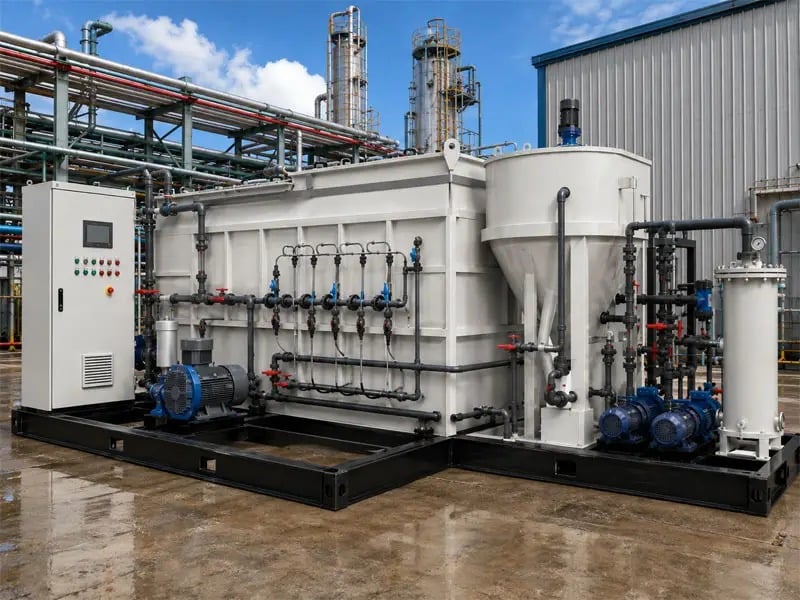
A packaged wastewater treatment plant must be engineered to handle not just typical operating conditions but also the intense flow demands that occur during peak hours and seasonal surges. Peak load sizing is fundamentally different from average design because treatment processes like biological degradation, settling, and disinfection all require adequate residence time and hydraulic capacity. When influent flow exceeds the design capacity of treatment units, solids retention time becomes inadequate, effluent quality deteriorates, and permit violations follow.
Understanding Peak Load Requirements for Wastewater Treatment
Why Peak Load Matters More Than Average Flow
Many facility designers make the mistake of sizing a packaged wastewater treatment plant based solely on average daily flow rates. However, peak load conditions represent the true test of system reliability. A peak load is the maximum flow rate your facility experiences during its busiest period, whether that occurs during morning hours, shift changes, or seasonal high-demand periods. If a treatment plant is designed for average flow only, it will become hydraulically overloaded during peak periods, meaning residence time drops below the time required for biological treatment, settling, and clarification to occur properly.
The difference between average flow and peak load can be dramatic. Industrial facilities might experience peak flows that are 2 to 3 times higher than their average daily flow, while municipal treatment plants often see peak flows of 1.5 to 2 times average. A packaged wastewater treatment plant sized for 500 gallons per minute average but receiving 1,500 gallons per minute during peak hour will process wastewater so quickly that treatment processes cannot function effectively.
Flow Variation Patterns and Their Impact on Capacity
Peak load conditions vary by facility type and geographic location. Industrial wastewater from food processing, beverage production, or manufacturing plants often exhibits extreme peak load variability because production happens in concentrated batches or shifts. A packaged wastewater treatment plant serving a beverage bottling facility might receive virtually no flow at night but receive intense peak load surges when production lines run at full capacity. Municipal systems experience predictable diurnal cycles where peak load occurs in early morning and early evening.
Flow data should be collected over a minimum of two weeks, ideally covering multiple seasonal periods, to establish accurate peak load profiles. Most operators discover that their actual peak load is 20 to 40 percent higher than initially estimated. This discovery often comes too late, after a packaged wastewater treatment plant has already been installed and is failing during peak flow periods.
Equalization Strategies to Manage Peak Load Variability
How Equalization Reduces Peak Load Stress
Equalization is an essential engineering strategy that allows a packaged wastewater treatment plant to handle peak load conditions without requiring the entire treatment system to be sized for maximum flow. An equalization basin is a temporary storage tank that accepts incoming wastewater during peak hours and then releases it at a steady, controlled rate to the treatment plant. Instead of the treatment units receiving a sudden surge of concentrated wastewater, they receive a smoothed, continuous flow that allows biological treatment, settling, and other processes to function at design efficiency.
The equalization approach works because most treatment processes are continuous or semi-batch operations that function best with stable, predictable inflow. When peak load arrives suddenly, equalization tanks absorb the surge and release wastewater gradually over a longer time period. This means the biological reactor maintains proper solids retention time, the clarifier has adequate settling time, and treatment efficiency remains consistent.
Sizing Equalization Capacity for Your Peak Load
Calculating proper equalization capacity depends on understanding the volume difference between peak load inflow and average discharge rate from your packaged wastewater treatment plant. The standard equation for equalization volume is the cumulative difference between actual hourly inflow and the design treatment rate. If your facility produces 2,000 gallons per hour on average but experiences peak load surges of 4,000 gallons per hour, you need equalization capacity to store that 2,000-gallon hourly difference until the surge passes.
Design engineers use flow hydrograph analysis to determine the exact equalization volume required for a specific facility. This involves plotting actual or projected hourly flow data and calculating cumulative storage needed to maintain a constant discharge rate from the packaged wastewater treatment plant throughout the day. Most municipal facilities require equalization equal to 5 to 10 percent of daily flow volume, while industrial facilities with extreme peak load variability may require 15 to 25 percent.
Calculating Proper Sizing and Capacity Planning
Data Collection and Peak Load Analysis
The foundation of correct sizing for any packaged wastewater treatment plant is comprehensive flow data collection. Before making any capacity decisions, operators should install flow meters to capture actual or projected flow patterns across multiple time periods. Collect data for peak load conditions occurring during maximum production, seasonal variations, and normal operating periods. This data should include not just average flows but also maximum hourly flows, flow duration curves, and variability patterns specific to your facility type.
Once peak load data is gathered, engineers calculate several key sizing parameters. The peak hour factor is the ratio of maximum hourly flow to average hourly flow, typically ranging from 1.5 to 3.0 for most facilities. The peak month factor accounts for seasonal variation. These factors determine the design flow rate that the packaged wastewater treatment plant must handle. If your average daily flow is 100,000 gallons but your peak load is 250,000 gallons per day and you experience hourly peaks of 15,000 gallons per hour, your treatment plant sizing calculations must reflect the peak load scenario, not the average.
Treatment Process Capacity and Residence Time Requirements
Each treatment process within a packaged wastewater treatment plant has minimum residence time and capacity requirements to function properly. Biological treatment typically requires 6 to 8 hours of solids retention time in the aeration basin. Clarification requires 2 to 4 hours of settling time. Disinfection requires contact time measured in minutes. When a packaged wastewater treatment plant is undersized relative to peak load, residence times drop below these minimum thresholds, and treatment efficiency collapses.
Proper sizing ensures each treatment stage operates at or below its design capacity during peak load conditions. Engineers use hydraulic loading rates to determine tank volumes needed to maintain adequate residence time. For example, a clarifier designed for 10 gallons per minute per square foot of surface area must have sufficient surface area to handle peak load flows without exceeding this design rate. A packaged wastewater treatment plant system specification should clearly document the peak load capacity, the residence time maintained at that capacity, and confirmation that all treatment processes meet these standards.
FAQ
What happens if I undersize a packaged wastewater treatment plant for peak load?
Undersizing a packaged wastewater treatment plant leads to insufficient residence time during peak load periods, causing treatment processes to fail. Biological organisms cannot degrade organic matter adequately, solids cannot settle properly, and effluent quality deteriorates below permit limits. You will face regulatory violations, fines, emergency repairs, and potentially complete system replacement. Undersizing is far more expensive than designing correctly from the beginning.
How much equalization capacity do I need for peak load management?
Equalization capacity typically requires 5 to 10 percent of daily flow volume for municipal facilities, rising to 15 to 25 percent for highly variable industrial operations. The exact sizing depends on your specific peak load profile, calculated through flow hydrograph analysis. An equalization tank smooths peak load surges and allows your packaged wastewater treatment plant to maintain consistent treatment efficiency without requiring oversized treatment equipment.
Can I estimate peak load without actual flow data?
Estimating peak load without measured data is risky and often leads to undersizing. While industry guidelines suggest peak load multipliers for different facility types, your actual facility may vary significantly from the average. The safest approach is to install temporary flow meters, collect data over at least two weeks including peak load periods, and use that data to calculate your specific peak load factor. This investment in data collection prevents much larger costs from undersizing mistakes.

 EN