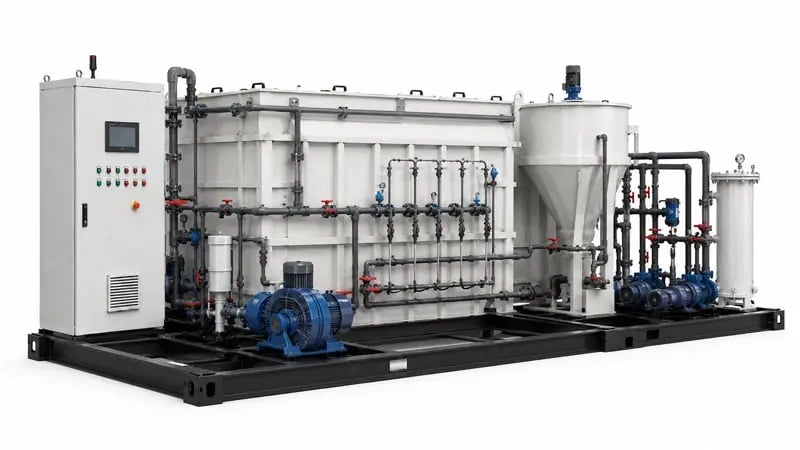
Selecting the right water treatment equipment manufacturer represents one of the most critical decisions a facility manager can make. The choice between custom engineering solutions and standard package systems directly impacts operational efficiency, capital expenditure, maintenance burden, and long-term reliability. Understanding the fundamental differences between these two approaches is essential before committing to any supplier relationship or equipment installation strategy.
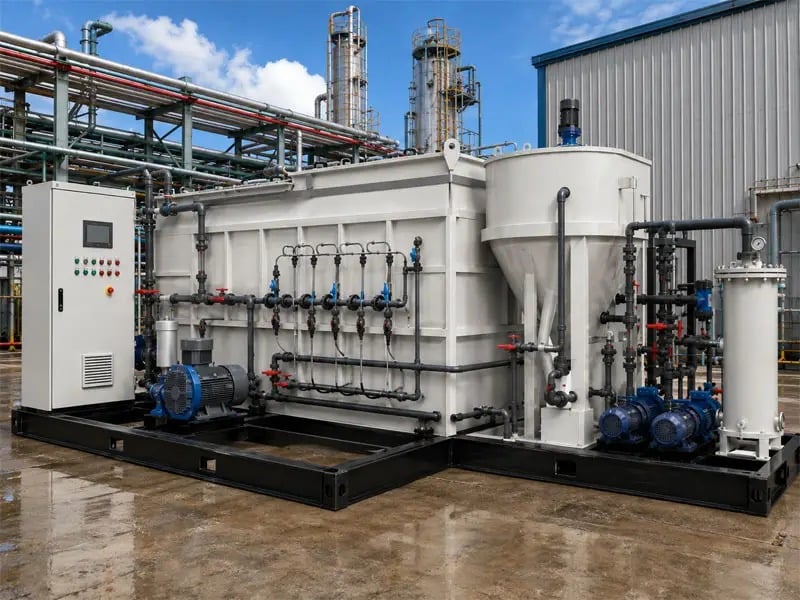
The decision between custom engineering and package system approaches reveals fundamental differences in design philosophy, implementation timeline, cost structure, and operational flexibility. A water treatment equipment manufacturer offering custom engineering solutions provides tailored designs built specifically around your facility's unique water composition, flow rates, discharge regulations, and space constraints. Conversely, package system providers deliver pre-engineered, standardized solutions designed for rapid deployment across multiple applications. Both approaches serve legitimate purposes within industrial and municipal water treatment contexts, but each carries distinct advantages and limitations that must align with your operational requirements.
Understanding Custom Engineering Solutions
Design Specificity and Optimization
Custom engineering from a manufacturer begins with comprehensive facility assessment, including water quality testing, flow rate analysis, regulatory compliance mapping, and spatial evaluation. This thorough investigation enables engineers to design systems precisely matched to your operational parameters rather than forcing your facility into a pre-designed mold. The resulting configuration typically achieves superior performance metrics because every component selection, pipe routing, and control sequence reflects your actual operating conditions rather than industry averages or worst-case assumptions.
When a manufacturer pursues custom engineering, their technical teams collaborate directly with your facility staff to understand subtle operational nuances that standard documentation might overlook. This collaborative process often reveals optimization opportunities invisible during typical specification development. Custom systems frequently incorporate innovative solutions addressing specific challenges unique to your water source, discharge requirements, or production processes.
Timeline and Implementation Complexity
Custom engineering requires extended design and fabrication periods compared to package system deployment. A typical manufacturer engaged in custom design may require six to twelve months from project initiation to equipment delivery, depending on system complexity and engineering thoroughness. This extended timeline reflects the engineering rigor required to ensure proper system performance within your specific operational context. Planning and budget allocation must accommodate this extended development schedule.
The implementation phase for custom-engineered systems often involves site-specific installation challenges requiring manufacturer technical support during startup and commissioning. Your facility team typically requires more intensive training because the custom design creates unique operational procedures and maintenance requirements that package system operators might not encounter.
Evaluating Standard Package Systems
Rapid Deployment and Predictable Performance
A manufacturer offering standard package systems delivers pre-engineered, modular solutions achieving rapid site deployment with minimal customization. These systems arrive fully tested, with established operating procedures, readily available spare parts, and proven performance histories across multiple installations. Package system advantages include reduced lead times, typically three to six months from order to delivery, enabling faster project implementation when timelines are constrained. Many operators appreciate the standardized approach because troubleshooting protocols and maintenance procedures follow consistent patterns across all installations.
Package systems incorporate design flexibility through standardized component sizing, allowing manufacturers to offer configurations spanning common flow rate ranges and treatment objectives. A water treatment equipment manufacturer can bundle multiple package units to approach custom-engineered capacity without requiring extended engineering cycles. This modular scalability appeals to facilities anticipating future expansion or managing variable operational demand.
Cost Predictability and Lifecycle Economics
Standard package systems typically offer lower initial capital costs compared to custom-engineered solutions because manufacturers distribute engineering and design expenses across multiple identical units. This economies-of-scale advantage results in reduced equipment pricing, faster procurement processes, and more straightforward budgeting. Operating cost predictability improves because spare parts availability, maintenance labor requirements, and performance characteristics remain consistent with manufacturer documentation.
However, package systems may require operational compromises or workarounds when your facility's parameters deviate from the manufacturer's design assumptions. These compromises can generate higher-than-expected operating costs through inefficient chemical usage, excessive energy consumption, or frequent maintenance interventions. The apparent cost advantage of package systems must account for total lifecycle expenses rather than initial purchase price alone.
Selection Criteria and Decision Framework
Operational Parameters and Application Specificity
Choosing between custom engineering and package system approaches depends primarily on how closely your facility's operating parameters align with standard manufacturer offerings. If your water source characteristics, flow rates, and discharge requirements fall within typical ranges addressed by established package system designs, standardized solutions may deliver adequate performance at lower total cost. Conversely, unusual water quality challenges, extreme flow rates, specialized regulatory compliance requirements, or confined installation spaces often demand custom engineering to achieve reliable operation.
Facilities managing multiple diverse water treatment challenges across different process areas may benefit from hybrid approaches. A manufacturer can deploy standard package systems for conventional treatment objectives while providing custom engineering for application-specific requirements. This blended strategy balances cost efficiency against performance optimization for complex operational environments.
Project Timeline and Resource Availability
Project urgency significantly influences the custom versus package system decision. When implementation timelines are compressed due to regulatory deadlines, production schedule demands, or facility expansion constraints, package system deployment offers substantial advantages. Alternatively, when project development proceeds according to planned schedules, custom engineering allows thorough optimization and eliminates operational compromises resulting from standardized designs.
Internal resource availability also influences this selection. Facilities with experienced water treatment staff capable of managing complex commissioning and ongoing troubleshooting may comfortably deploy custom-engineered systems requiring manufacturer partnership during startup phases. Operations with limited specialized expertise may prefer package systems offering standardized training, established procedures, and straightforward problem-solving protocols reducing dependency on manufacturer support after installation completion.
FAQ
Should I always choose custom engineering for optimal performance?
Not necessarily. Custom engineering delivers superior optimization when your facility's requirements significantly deviate from standard operating ranges. However, if your water treatment objectives align reasonably well with existing manufacturer package system designs, the custom engineering investment may not justify improved performance gains relative to the extended timeline and increased capital cost. Many facilities achieve excellent results with package systems because manufacturers have optimized these designs through repeated deployment across diverse applications.
What factors make a package system unsuitable for my facility?
Package systems become inappropriate when your water source exhibits unusual chemical composition requiring specialized pretreatment approaches, when facility flow rate requirements significantly exceed manufacturer's standard offerings, when regulatory compliance demands exceed package system capabilities, or when installation space constraints prevent package unit deployment. A manufacturer's technical team can evaluate your specific parameters and recommend whether package system modifications might achieve your objectives or whether custom engineering is necessary.
How does a manufacturer assess whether custom engineering is justified?
Reputable manufacturers conduct preliminary evaluations examining your water quality characteristics, flow requirements, regulatory obligations, and installation constraints before recommending custom engineering investment. They compare your parameters against their established package system offerings, identifying whether standard products require minimal modification or whether true custom design is necessary. This honest assessment prevents unnecessary over-engineering while ensuring your facility receives appropriate solutions matching actual operational requirements.

 EN