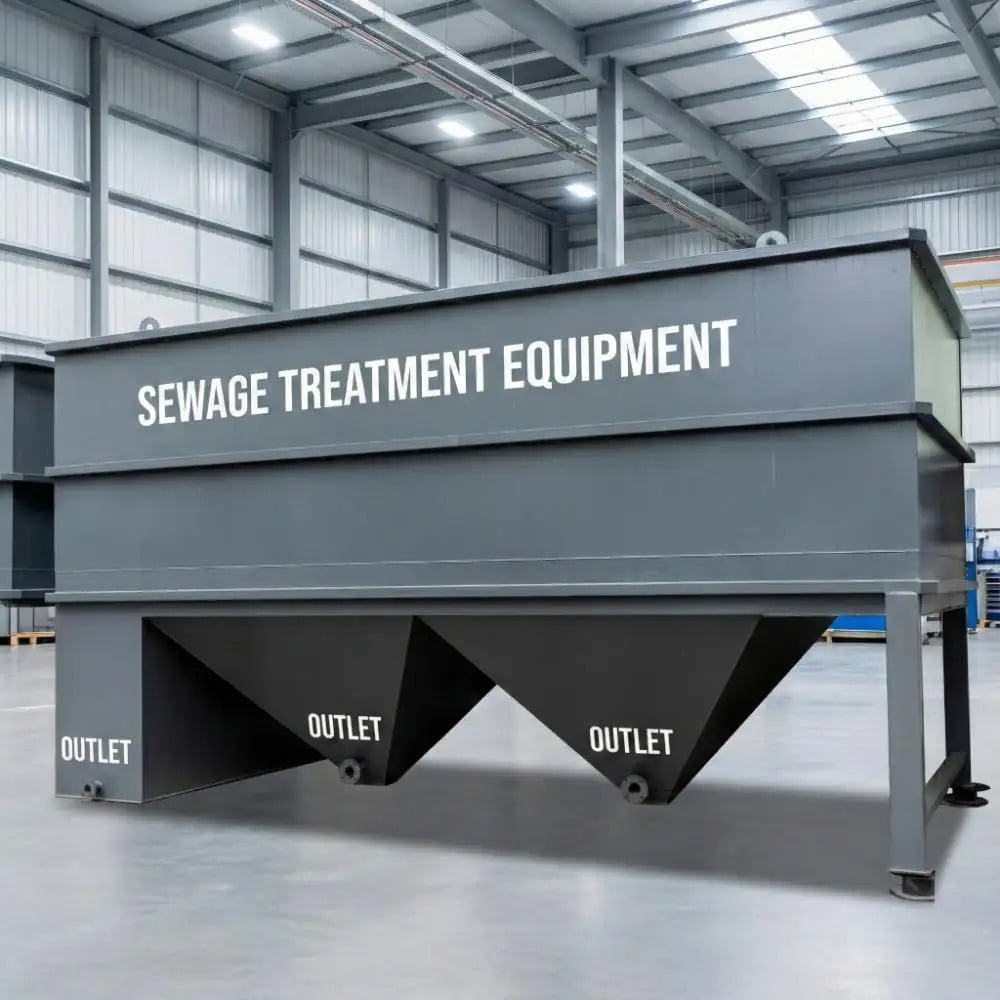
Selecting and deploying a packaged sewage treatment plant requires thoughtful planning around customization. A packaged plant arrives as an integrated, factory-assembled unit, yet its success depends heavily on tailoring key parameters to match your facility's unique operational needs. Understanding what should be customized ensures compliance, efficiency, and long-term cost-effectiveness in wastewater management.
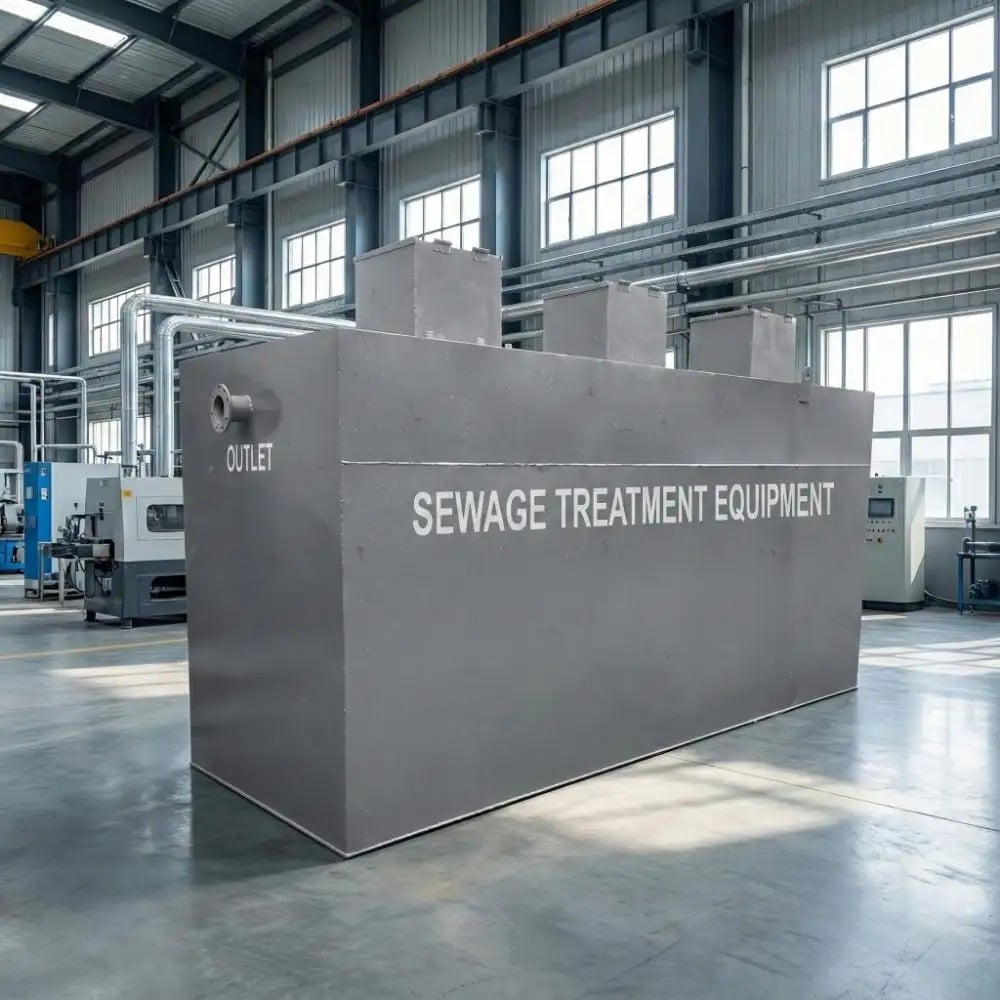
The modular nature of a packaged plant offers flexibility without requiring complete redesign or reconstruction. However, every installation faces distinct influent characteristics, regulatory standards, site constraints, and performance targets. Recognizing which customization elements matter most—and which can remain standardized—separates effective implementations from costly missteps. This guide covers the critical customization areas that drive operational success and compliance outcomes.
Matching Flow Rate and Hydraulic Capacity
Determining Your Required Flow Rating
Flow capacity stands as the foundational customization parameter for any packaged plant. Design flow must reflect your facility's peak daily demand, anticipated growth, and regulatory discharge requirements. Standard packaged plant models come in discrete capacity increments, typically ranging from 5 to 500 cubic meters per day, but your specific influent flow profile may not align perfectly with standard offerings. Evaluating average daily flow, peak hourly flow, and seasonal variations ensures you select—or customize—the right hydraulic footprint.
Undersizing a packaged plant leads to detention time violations, incomplete treatment, and potential permit exceedances. Oversizing wastes capital investment and creates inefficient operating conditions. Your flow customization decision should account for current demand plus reasonable projections for the next five to ten years. Many operators choose a modular approach, installing a packaged plant sized for current needs with provision for future unit expansion or capacity enhancement through parallel installation or treatment train augmentation.
Accounting for Peak and Seasonal Variations
Industrial facilities, food processing plants, and hospitality installations often experience dramatic flow swings. A packaged plant's design flow rating must accommodate peak loads without exceeding tank detention parameters or solids handling limits. Customizing the treatment train—such as adding equalization basins, flow control devices, or staged aeration zones—allows a standard packaged plant to manage variable influent rates effectively. Understanding your operational profile drives the customization logic for flow management infrastructure.
Tailoring Effluent Quality Standards
Meeting Regulatory and Discharge Requirements
Effluent quality requirements vary significantly by jurisdiction, receiving water body sensitivity, and intended reuse applications. A packaged plant's treatment depth and polishing stages must align with your local environmental regulations and discharge permits. Customization here involves selecting the appropriate treatment technologies within the packaged plant framework—biological nutrient removal, tertiary filtration, ultraviolet disinfection, or membrane finishing—to reliably achieve target parameters. Your effluent standards may demand specific removals for biochemical oxygen demand, suspended solids, nitrogen, phosphorus, or pathogens.
Standard packaged plant designs typically target conventional secondary treatment. However, if your discharge permit requires advanced effluent quality—such as effluent nitrogen below 10 milligrams per liter or phosphorus below 1 milligram per liter—customizing the biological treatment configuration and adding tertiary polishing becomes essential. Many regional authorities have tightened nutrient limits to protect sensitive watersheds, making effluent quality customization a compliance-critical decision rather than an optional enhancement.
Planning for Reuse and Non-Potable Applications
If your facility aims to recycle treated wastewater for irrigation, cooling, or industrial reuse, effluent quality expectations rise significantly beyond simple discharge standards. Customizing a packaged plant for reuse applications typically requires membrane filtration, additional disinfection, or combined technologies to achieve the microbial and chemical standards required for safe water reuse. Understanding your reuse endpoint drives the customization scope and technology selection, ensuring treated flow meets quality thresholds while maintaining economic efficiency throughout the treatment process.
Adapting to Site-Specific Conditions and Constraints
Accommodating Influent Characteristics and Loadings
The composition of your wastewater influences how a packaged plant must be customized for reliable performance. Industrial facilities generating high-strength influent—featuring elevated biological oxygen demand, suspended solids, or specific contaminants—require customized pretreatment, enhanced biological capacity, or longer detention times than municipal sewage streams. Food processing plants, breweries, dairies, and chemical manufacturers produce influent with distinct characteristics requiring tailored treatment configurations. A standard packaged plant designed for typical municipal wastewater may underperform on specialized industrial influent without thoughtful customization.
Customization responses include pre-equalization to moderate shock loads, specialized aeration systems for high-oxygen-demand streams, or supplementary treatment stages addressing specific contaminants. Your influent characterization study should quantify biochemical oxygen demand, total suspended solids, total nitrogen, total phosphorus, and any industry-specific pollutants. This data directly informs the customization decisions necessary to achieve reliable effluent quality and process stability. Skipping this characterization step often results in undersized biological treatment or inadequate solids handling capacity.
Managing Site Layout and Infrastructure Integration
Physical site constraints frequently demand customization of a packaged plant's footprint, utility connections, and supporting infrastructure. Limited space may necessitate a more compact unit with higher aeration intensity or alternative tank geometry. Extreme climate conditions—freezing temperatures, intense heat, or heavy rainfall—require customized insulation, ventilation, or drainage provisions. Proximity to sensitive receptors, noise limits, or odor control regulations may mandate additional treatment barriers or covered structure modifications not included in the base packaged plant design.
Site integration customization also encompasses access for sludge removal, chemical feed systems, control panel positioning, and utilities routing. Existing drainage patterns, groundwater depth, and soil conditions influence foundation requirements and piping layout. Coordinating with your packaged plant supplier early in the design phase ensures that site-specific customizations are incorporated efficiently, avoiding costly field modifications or operational compromises after installation. Many operators overlook integration requirements, leading to delays and expense that proper upfront customization planning would have prevented.
FAQ
What is the typical lead time for a customized packaged plant?
Lead times for a customized packaged plant typically range from eight to sixteen weeks, depending on the extent of modifications and current manufacturing capacity. Standard flow rates and configurations may be faster, while significant customization—such as advanced effluent polishing, specialized materials, or substantial footprint changes—extend the timeline. Clarifying your customization requirements early and providing detailed site and influent data accelerates the engineering and fabrication process, reducing overall project delays.
Can I upgrade a packaged plant after installation if my discharge limits tighten?
Many packaged plant designs allow modular upgrades such as adding tertiary filtration, installing advanced disinfection, or expanding the biological treatment train. However, future effluent enhancement depends heavily on the base configuration and available space. Consulting your supplier during initial customization about potential upgrade paths helps ensure your packaged plant accommodates future regulatory changes without complete replacement, protecting your capital investment as standards evolve.
How do I know if my influent is too challenging for a standard customized packaged plant?
Extremely high-strength industrial wastewater, complex chemical contaminants, or highly variable flow patterns may exceed the practical customization scope of a packaged plant framework. If your influent biochemical oxygen demand exceeds 3,000 milligrams per liter, contains hazardous compounds, or generates toxic intermediates, engaging a specialized treatment consultant ensures you select the appropriate technology—whether a customized packaged plant with pre-treatment or an engineered bespoke system. Your influent characterization and regulatory guidance should clarify whether a packaged plant approach is suitable.

 EN