
baihuipu-120-m/day-textile-wastewater-treatment-system-for-dyeing-effluent-decolorization--cod-control, baihuipu-120-m/day-textile-wastewater-treatment-system-for-dyeing-effluent-decolorization--cod-control, /case-studies
EN
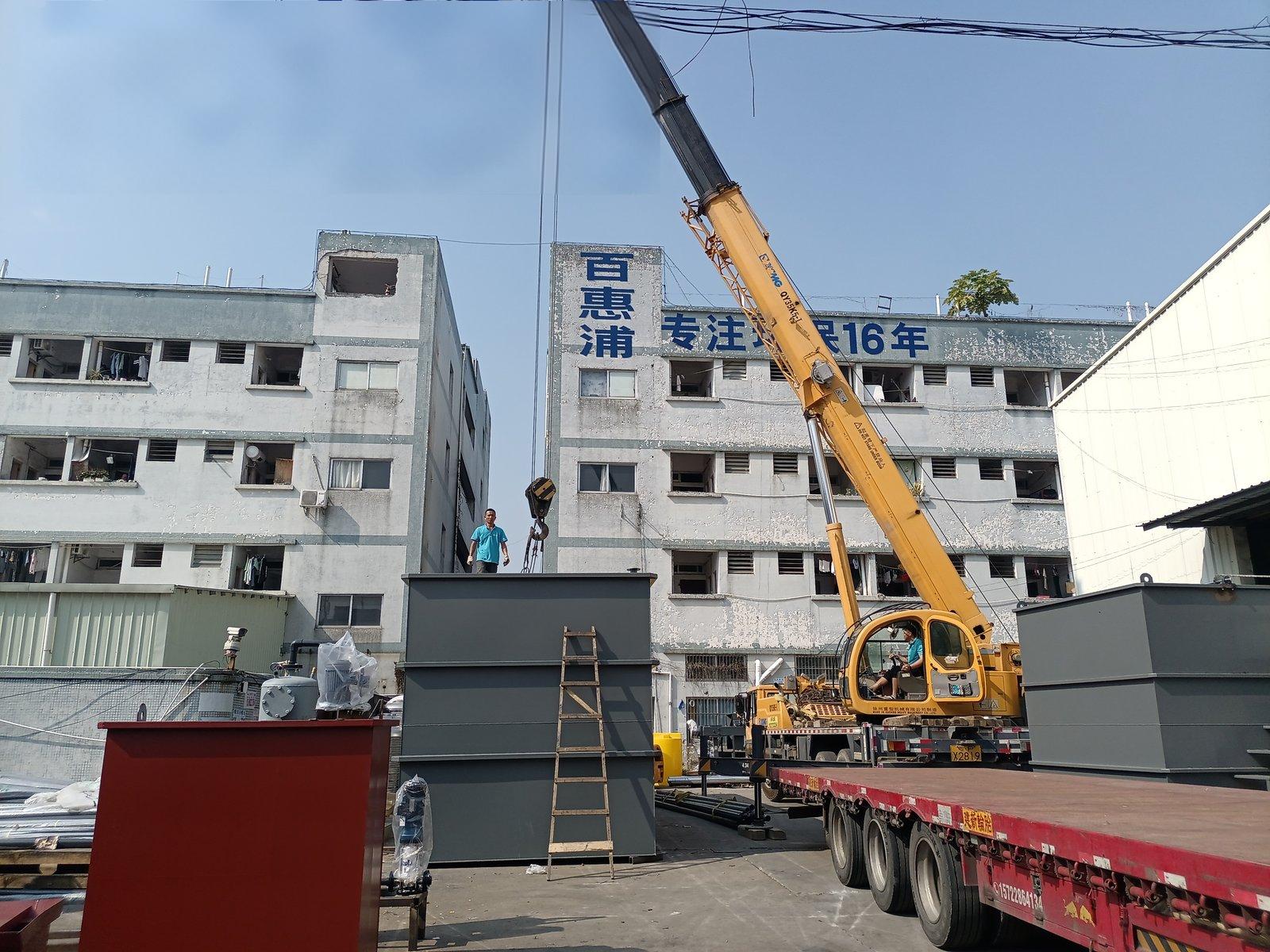
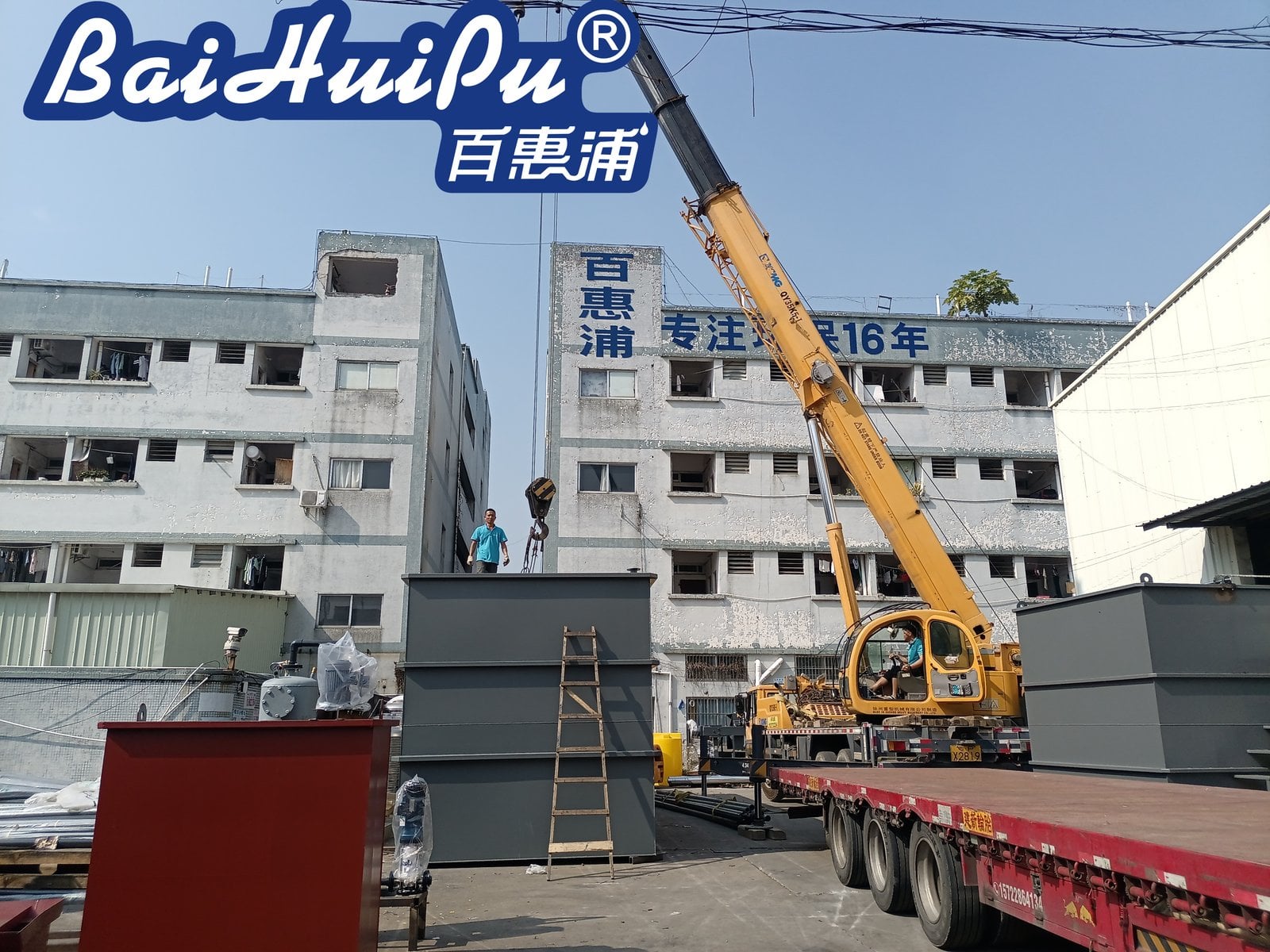
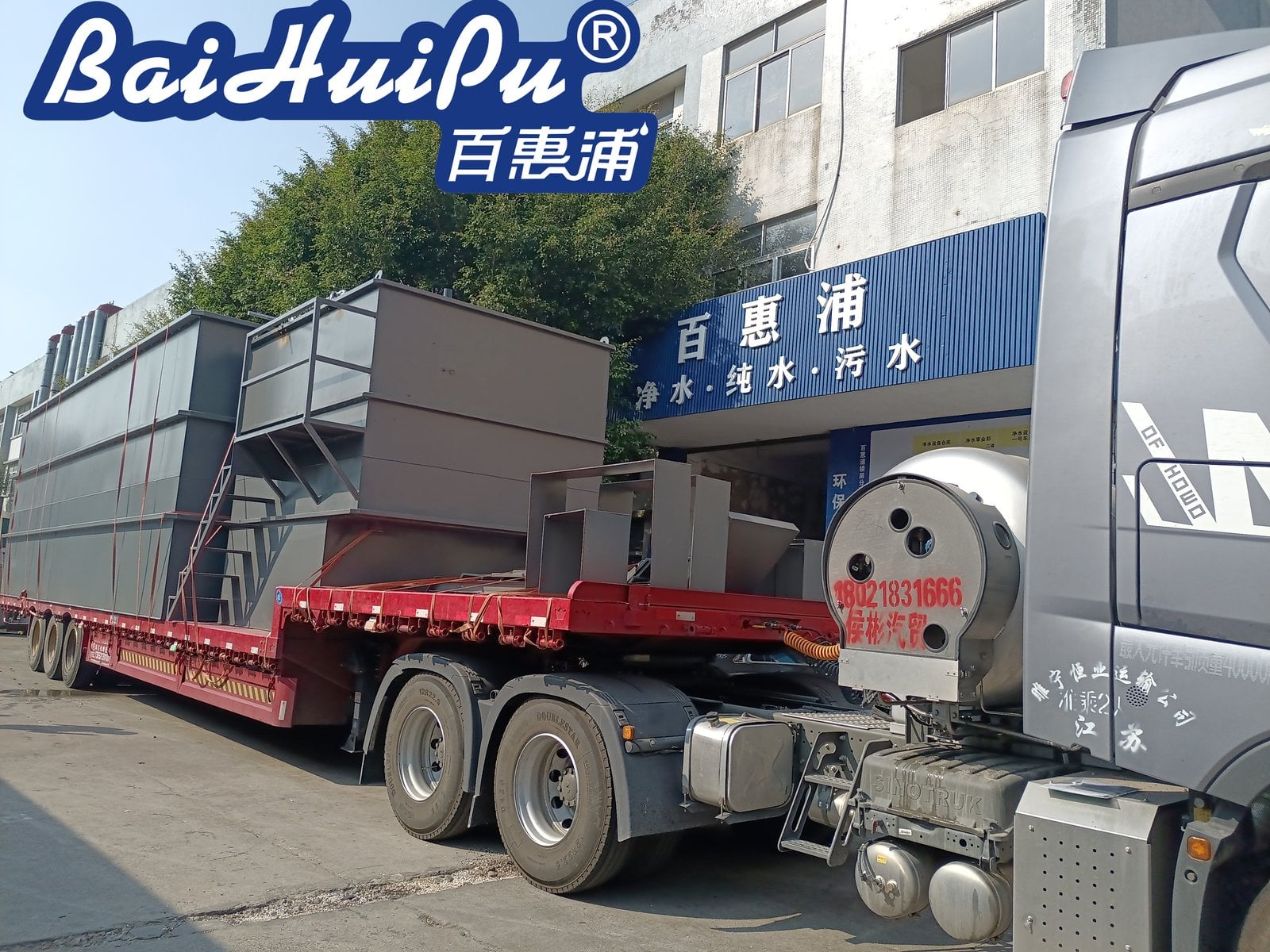
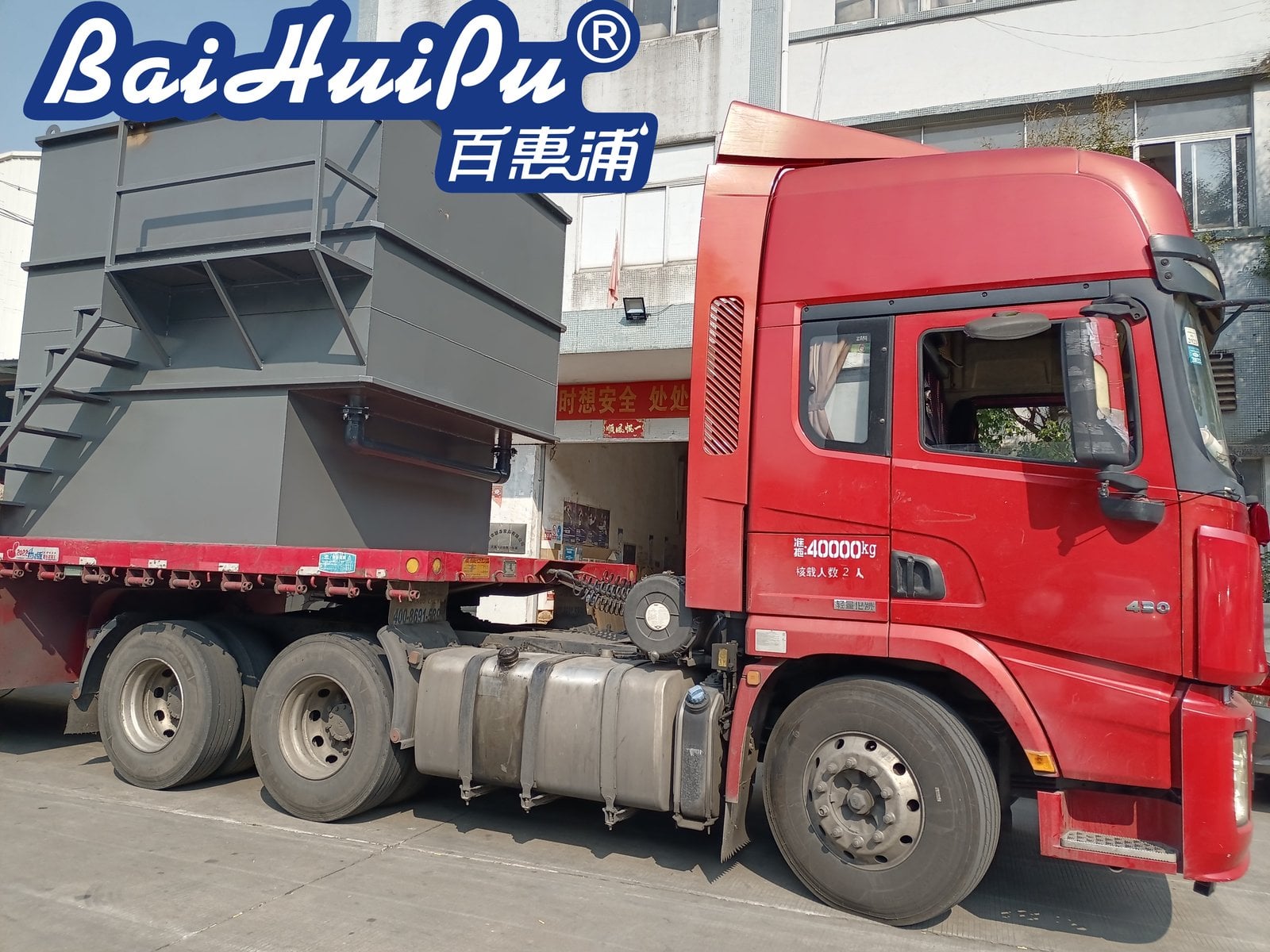
Customized for textile dyeing wastewater treatment in Fujian, integrating equalization, physicochemical coagulation, anaerobic biological treatment, aerobic processing, and advanced filtration technologies to improve color removal and COD reduction with stable effluent performance for continuous production operations.
Project Information
Project Location:
Fujian, China
Industry:
Textile manufacturing and dyeing processing
Treatment Capacity:
120 m³/day
Application Type:
Industrial wastewater treatment system designed for continuous discharge from textile dyeing, fabric washing, and finishing processes.
 |
 |
Core Treatment Process
Wastewater Collection → Equalization & Conditioning → pH Neutralization → Coagulation & Flocculation → Air Flotation Separation → Anaerobic Biological Treatment → Multi-Stage Aerobic Biological Treatment → Secondary Sedimentation → Sand Filtration & Activated Carbon Filtration → Qualified Discharge
Treatment Scope
The system is designed for textile production wastewater containing:
The process focuses on improving removal performance for:
Equipment Features
Integrated Physicochemical & Biological Treatment
The system combines:
This integrated approach improves treatment adaptability for complex textile wastewater characteristics.
Intelligent Automatic Control
Equipped with a PLC automatic control system, including:
The system supports continuous operation with simplified daily maintenance requirements.
Stable Operation for Textile Production Conditions
Designed to accommodate:
The system provides practical wastewater management support for textile enterprises.
 |
 |
This textile wastewater treatment system is suitable for:
Textile dyeing wastewater is widely recognized as a challenging industrial wastewater category due to:
Conventional treatment systems may face challenges in maintaining stable decolorization and COD control.
The Baihuipu solution integrates physicochemical and biological technologies to address these wastewater characteristics and is suitable for:
 |
 |
Fujian is one of China’s important textile manufacturing regions, with a large number of textile, dyeing, and fabric processing enterprises.
During textile production processes such as dyeing, washing, and finishing, large volumes of comprehensive wastewater are generated. This wastewater contains:
Due to its complex composition, textile wastewater often features high color intensity, variable COD concentration, and significant turbidity. Direct discharge without effective treatment may affect receiving water environments, while simple treatment systems may have difficulty achieving consistent color removal and pollutant reduction.
To address Fujian textile wastewater characteristics and environmental management requirements, Baihuipu developed a customized 120 m³/day textile wastewater treatment solution based on a combination of physicochemical pretreatment and biological degradation technologies.
The wastewater first enters the equalization tank, where variations in flow rate and pollutant concentration caused by production schedules are balanced. This process helps stabilize operating conditions and reduces hydraulic impact on downstream treatment units.
The wastewater then undergoes pH adjustment and chemical treatment. Decolorizing agents, coagulants, and flocculants are added to promote the aggregation of dye particles, sizing residues, and suspended fibers. The air flotation unit separates these pollutants from the wastewater, providing effective pretreatment for color and COD reduction.
After pretreatment, the wastewater enters anaerobic and aerobic biological treatment stages. Through microbial activity, remaining biodegradable and difficult-to-degrade organic compounds are further decomposed, helping stabilize key indicators such as COD and ammonia nitrogen.
The secondary sedimentation unit completes sludge-water separation. The clarified water then passes through sand filtration and activated carbon filtration, where residual color compounds and trace organic substances are further removed.
After project operation, the treatment system has demonstrated stable performance, automated management, and convenient maintenance. The combined process effectively supports wastewater color reduction and organic pollutant control.
The treated effluent meets applicable environmental discharge requirements and supports routine environmental inspections.
This project provides a practical, cost-conscious wastewater treatment solution for textile enterprises seeking improved compliance management, stable operation, and sustainable production practices in the Fujian textile industry.

 EN