
baihuipu-200-m/day-hotel-wastewater-treatment-equipment-for-cte-divoire-resort-wastewater-treatment-system, baihuipu-200-m/day-hotel-wastewater-treatment-equipment-for-cte-divoire-resort-wastewater-treatment-system, /case-studies
EN
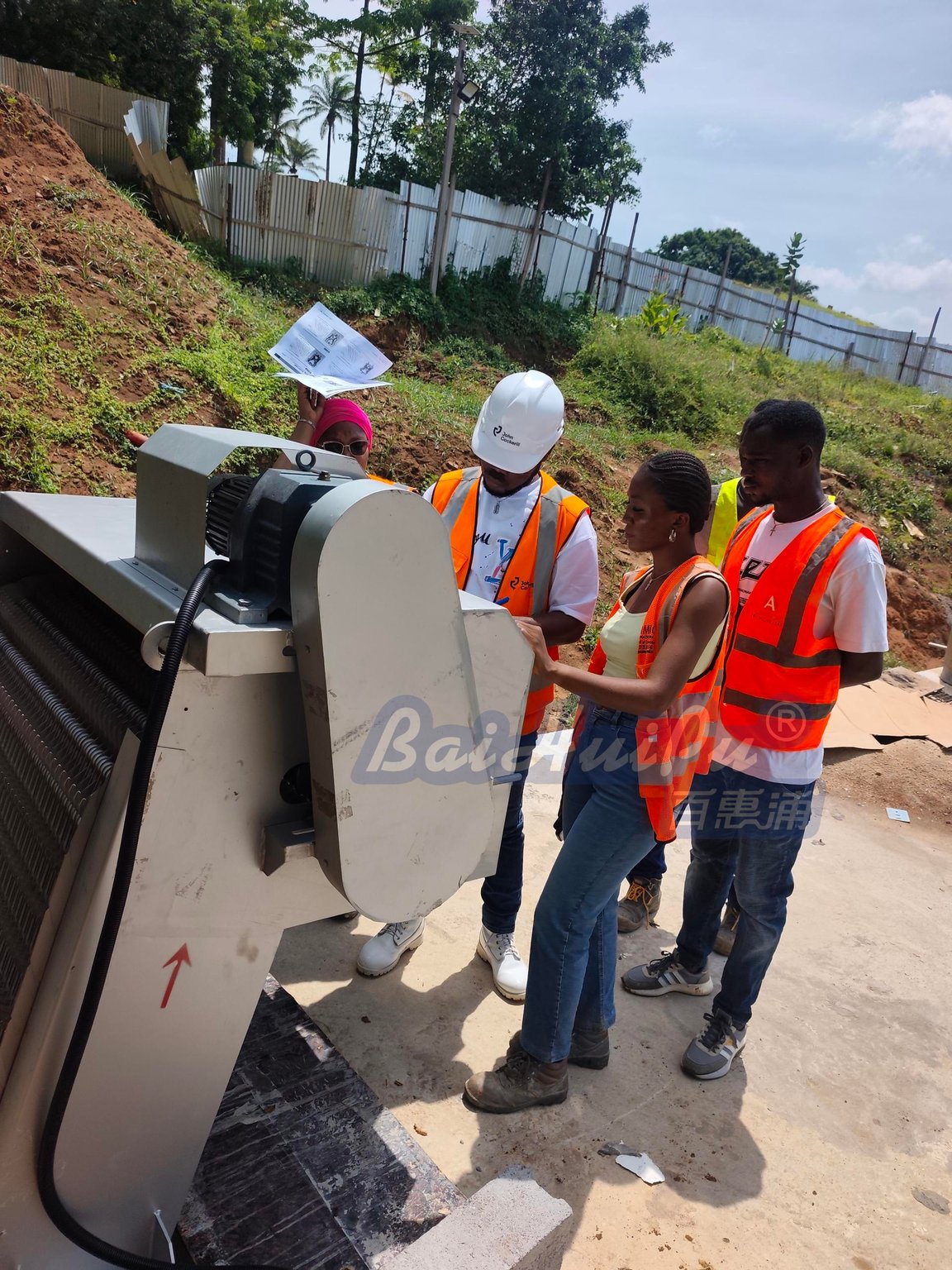
Designed for hotel wastewater treatment conditions in Côte d’Ivoire with challenges such as unstable power supply and limited maintenance resources. The system integrates equalization, anaerobic hydrolysis, contact oxidation, sedimentation and filtration processes to treat domestic wastewater from hotel operations with stable performance, simplified operation and reliable environmental compliance.
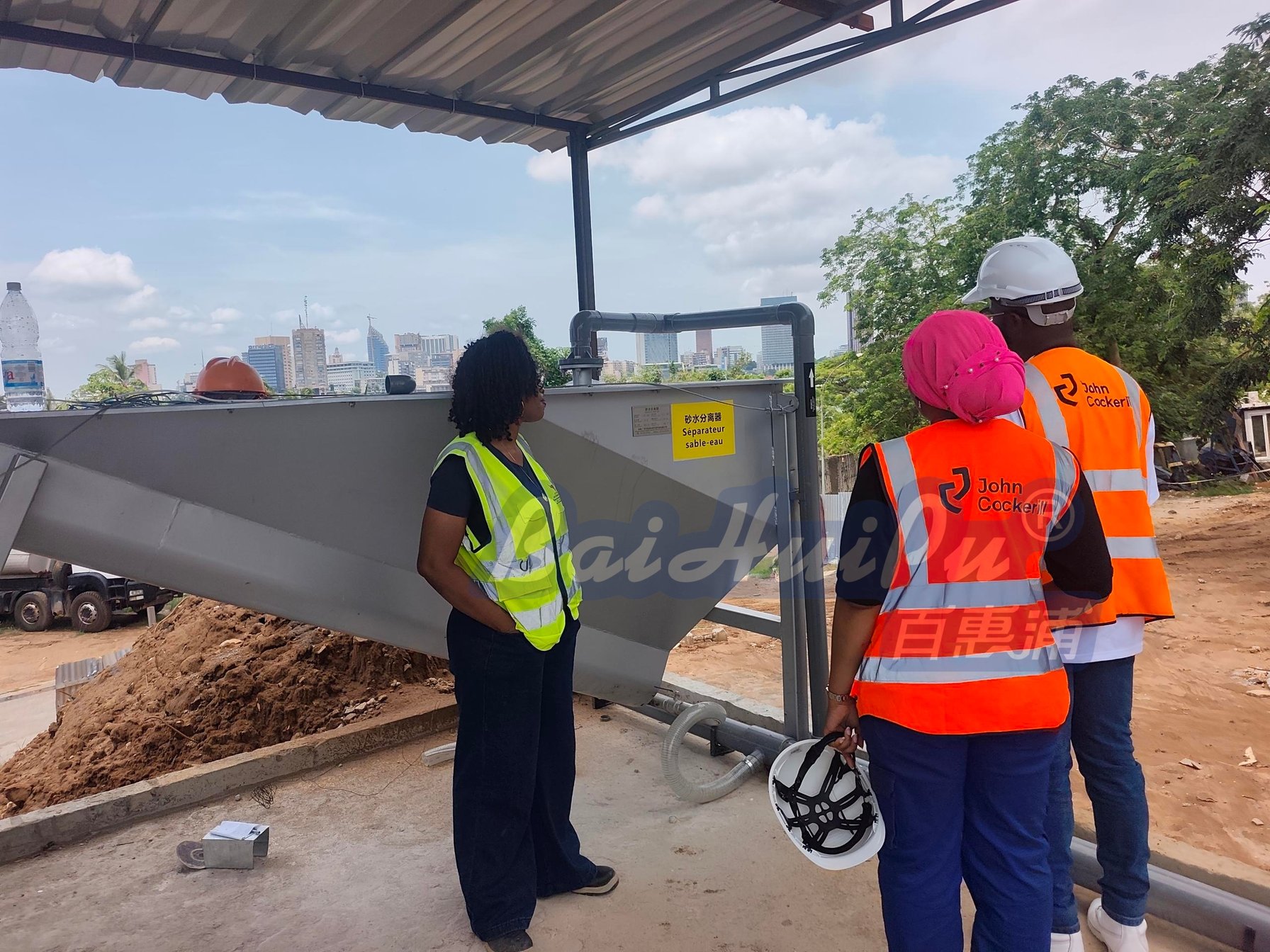
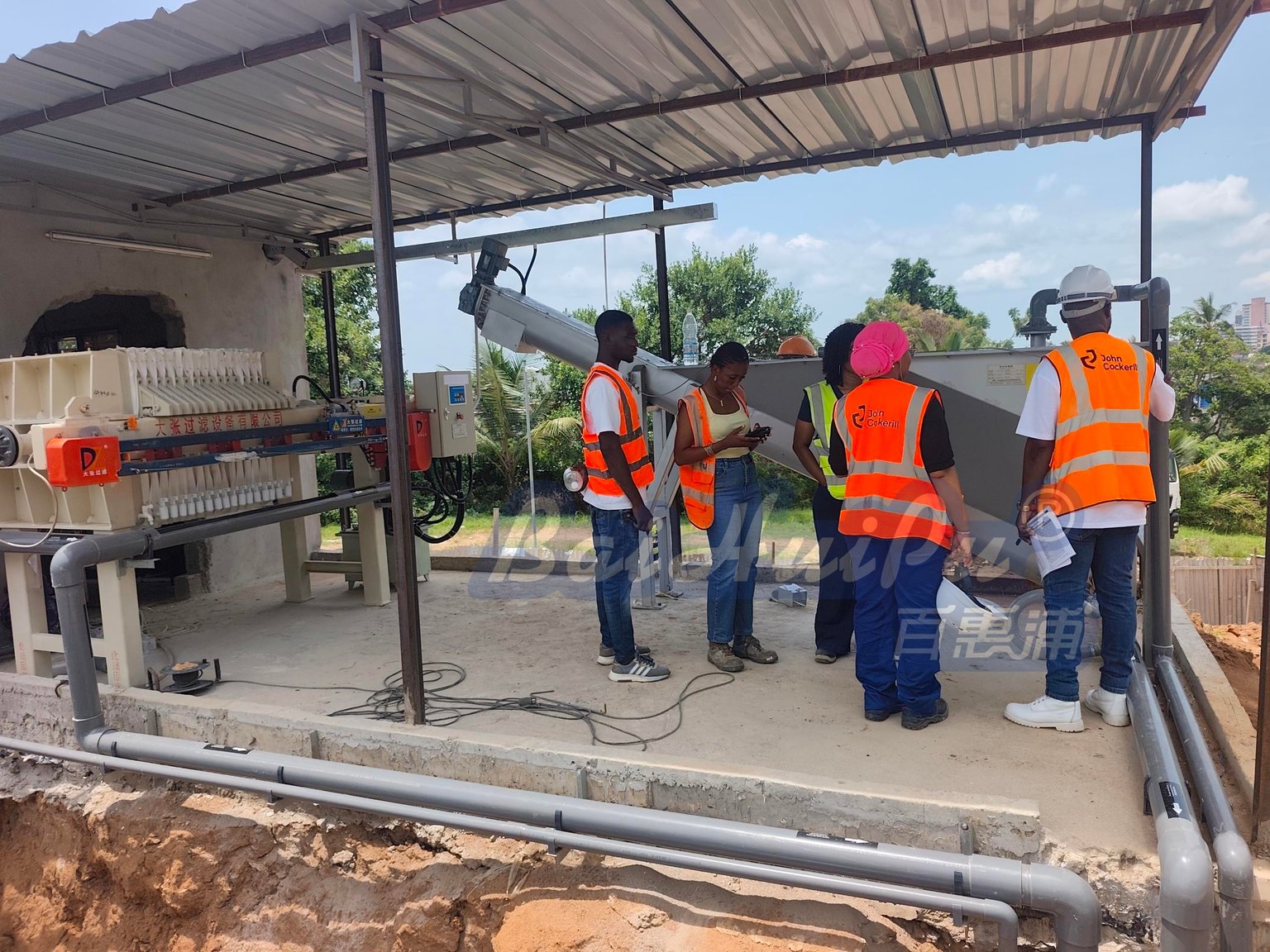
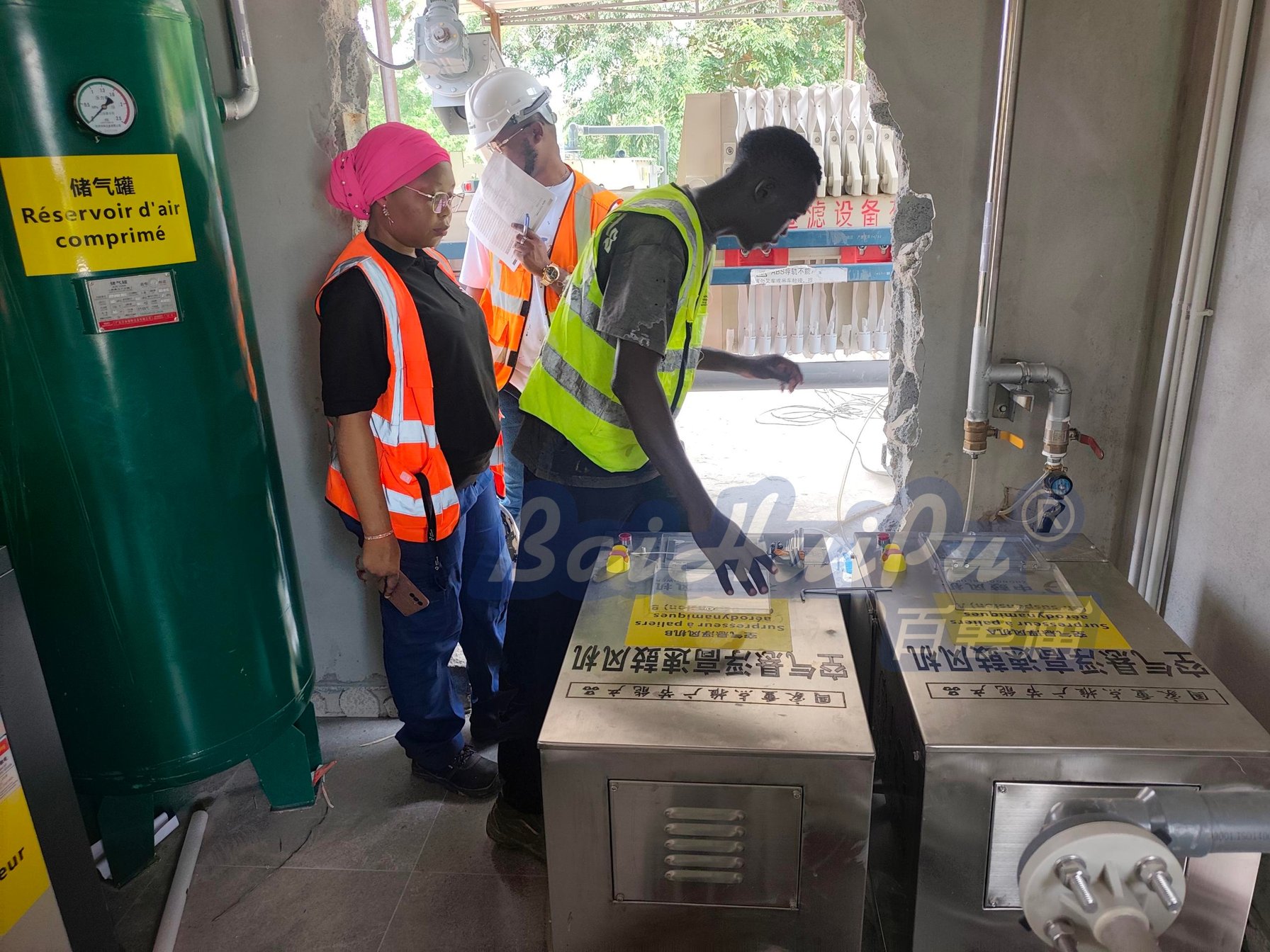
This project was installed for a high-end resort hotel in Côte d’Ivoire, Africa, with a designed treatment capacity of 200 m³/day. The system was customized for the intermittent wastewater generation characteristics of hotel facilities, including guest rooms, restaurants, laundry areas and public service spaces.
The treated effluent is designed for compliance with applicable local wastewater discharge requirements and can be considered for reuse applications such as landscape irrigation and site cleaning after meeting required standards.
Treatment Process:
Wastewater Collection → Equalization Tank → Anaerobic Hydrolysis → Contact Oxidation → Secondary Sedimentation → Disinfection → Discharge / Water Reuse
The integrated hotel wastewater treatment system is mainly applied to domestic sewage containing:
Through biological treatment and advanced clarification processes, the system improves effluent quality, reduces odor issues and helps maintain a cleaner surrounding environment.
Considering the operating conditions of overseas hotel projects, Baihuipu optimized the equipment design for:
The system adopts an automated control configuration with flexible operation modes, reduced manual intervention requirements and convenient daily management, making it suitable for long-term operation in remote resort locations.
 |
 |
 |
This wastewater treatment solution is suitable for:
In many African coastal and tourism regions, wastewater infrastructure development may not fully cover individual hospitality facilities. On-site sewage treatment systems provide an effective approach for hotels requiring independent wastewater management and environmental compliance.
Baihuipu’s packaged wastewater treatment solutions are designed with compact structures, strong adaptability and simplified operation, supporting:
|
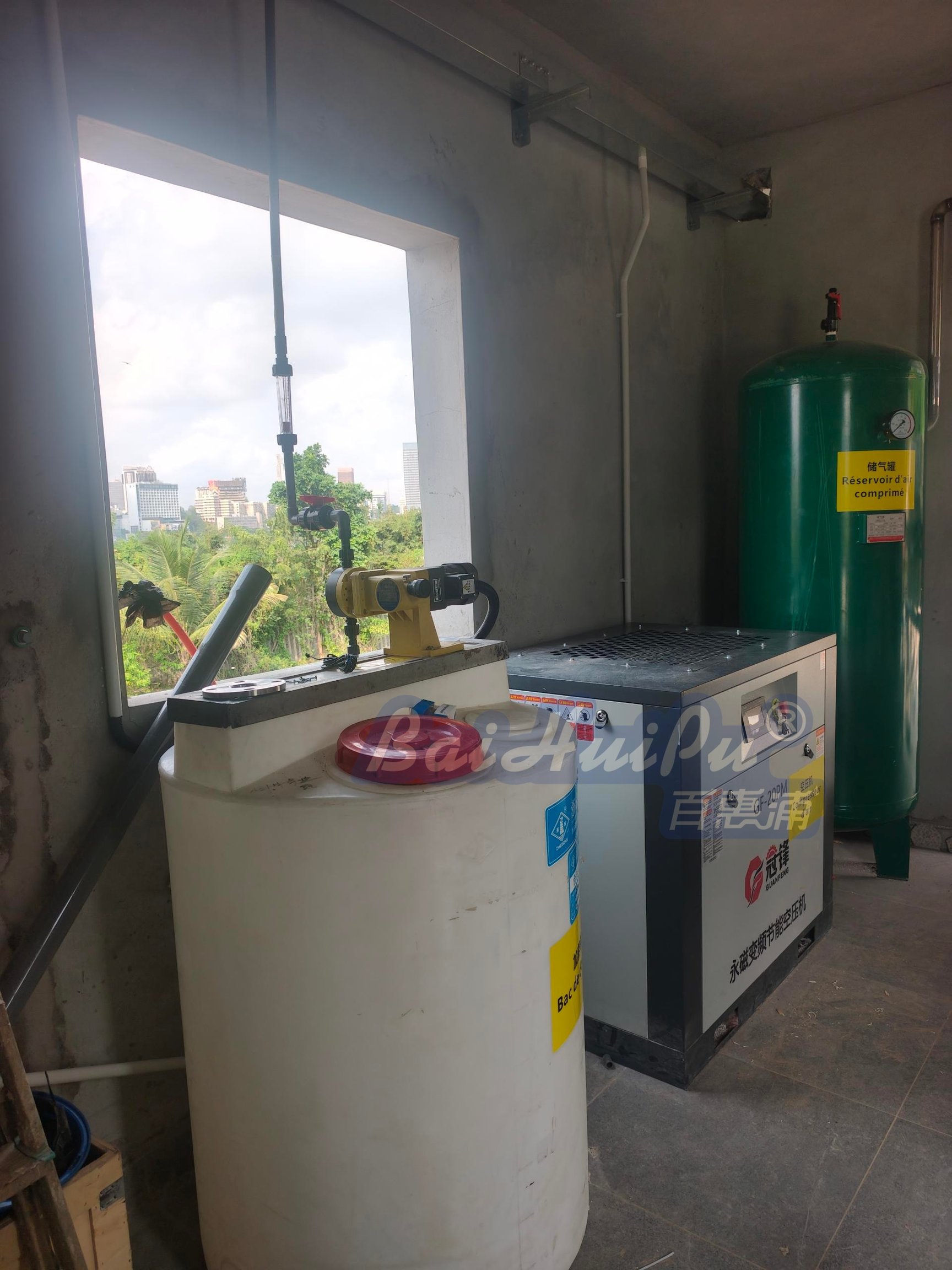 |
Project Challenges
Côte d’Ivoire is one of the important tourism markets in West Africa, with increasing demand for resort hotels and hospitality infrastructure. Hotel operations generate continuous domestic wastewater from guest accommodation, restaurants, cleaning activities and public facilities.
However, some remote tourism locations may face limitations in municipal wastewater infrastructure, making independent wastewater treatment systems an important solution for responsible hotel operation. Local operating conditions may also include unstable electricity supply, limited wastewater management personnel and challenges in equipment maintenance.
To address these requirements, Baihuipu developed a 200 m³/day customized decentralized wastewater treatment system featuring stable operation, compact design and simplified maintenance.
Treatment Process Design
1. Equalization Treatment
Collected wastewater first enters the equalization tank, where flow and pollutant concentration fluctuations are balanced.
This step helps reduce the impact of peak wastewater discharge caused by changes in hotel occupancy and improves the stability of downstream biological treatment.
2. Anaerobic Hydrolysis Process
The wastewater then enters the anaerobic hydrolysis section.
Large organic molecules and suspended pollutants are converted into more biodegradable substances, improving wastewater biodegradability and reducing the organic loading on subsequent treatment units.
3. Contact Oxidation Biological Treatment
After pretreatment, wastewater enters the contact oxidation tank.
Using attached microbial growth technology, the biological system promotes the degradation of organic pollutants and nutrient compounds such as COD, BOD and ammonia nitrogen.
This process provides stable biological performance while maintaining relatively simple operation requirements.
4. Sedimentation and Disinfection
Following biological treatment, the secondary sedimentation unit separates activated sludge from treated water.
The clarified water then undergoes disinfection treatment to control microorganisms before final discharge or potential reuse applications.
6. Project Benefits
After commissioning, the wastewater treatment system has demonstrated stable operation under overseas site conditions.
Key project advantages include:
The project provides a practical wastewater management solution for resort hotels in West Africa, helping improve environmental protection standards, enhance guest experience and support sustainable tourism development.
 |
 |

 EN