
baihuipu-300tpd-chemical-wastewater-treatment-system-for-chongqing-fine-chemical-industry, baihuipu-300tpd-chemical-wastewater-treatment-system-for-chongqing-fine-chemical-industry, /case-studies
EN
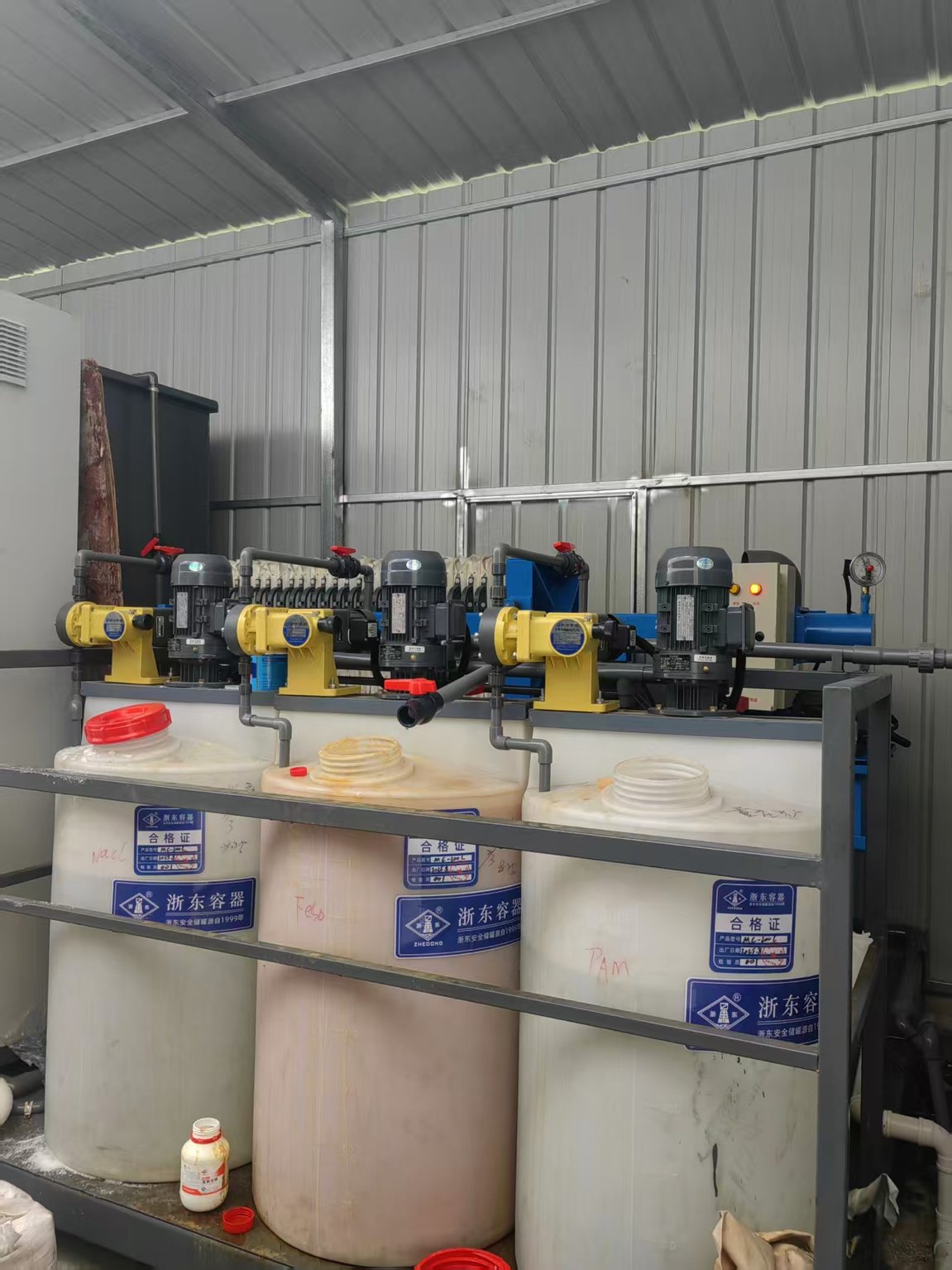
Designed for Chongqing chemical wastewater characteristics, integrating equalization, Fenton oxidation, coagulation, A/O biological treatment, and advanced filtration to improve COD removal and support stable compliance for continuous production.
This project was developed for a large-scale fine chemical enterprise in Chongqing, with a designed treatment capacity of 300 m³/day. The system is engineered for continuous 24-hour wastewater discharge from chemical production facilities and designed according to regional industrial wastewater management requirements.
The treatment process includes:
Wastewater collection → Equalization and conditioning → Fenton advanced oxidation → Acid-base neutralization → Coagulation and flocculation → Sedimentation → Hydrolysis acidification → A/O biological treatment → Secondary sedimentation → Sand filtration & activated carbon polishing → Compliant discharge
The system is designed to treat various chemical process wastewater sources, including production wastewater, equipment cleaning wastewater, and organic additive wastewater. It addresses common challenges in chemical wastewater treatment, such as poor biodegradability, elevated COD levels, complex organic compounds, fluctuating water quality, and high color intensity.
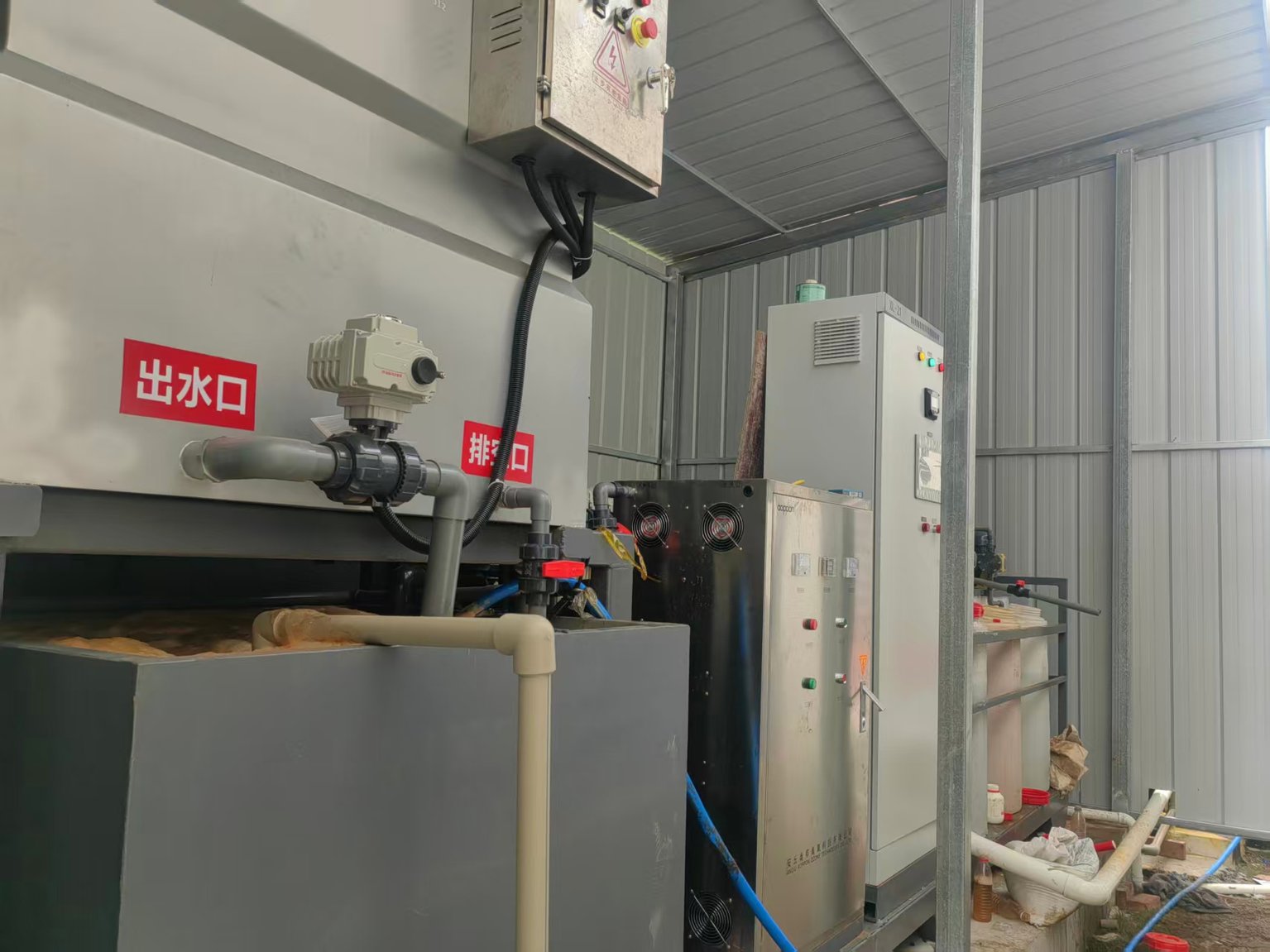
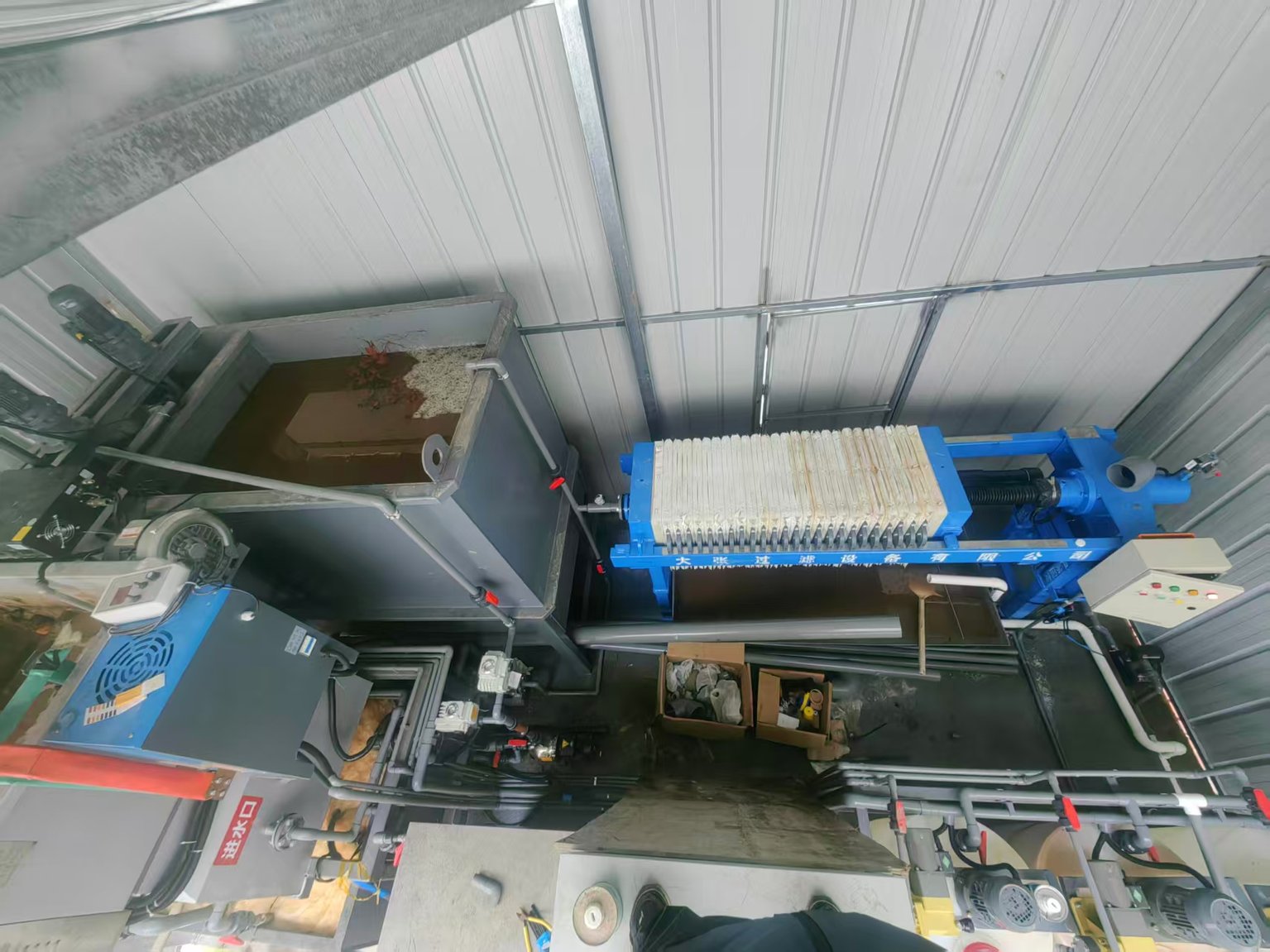
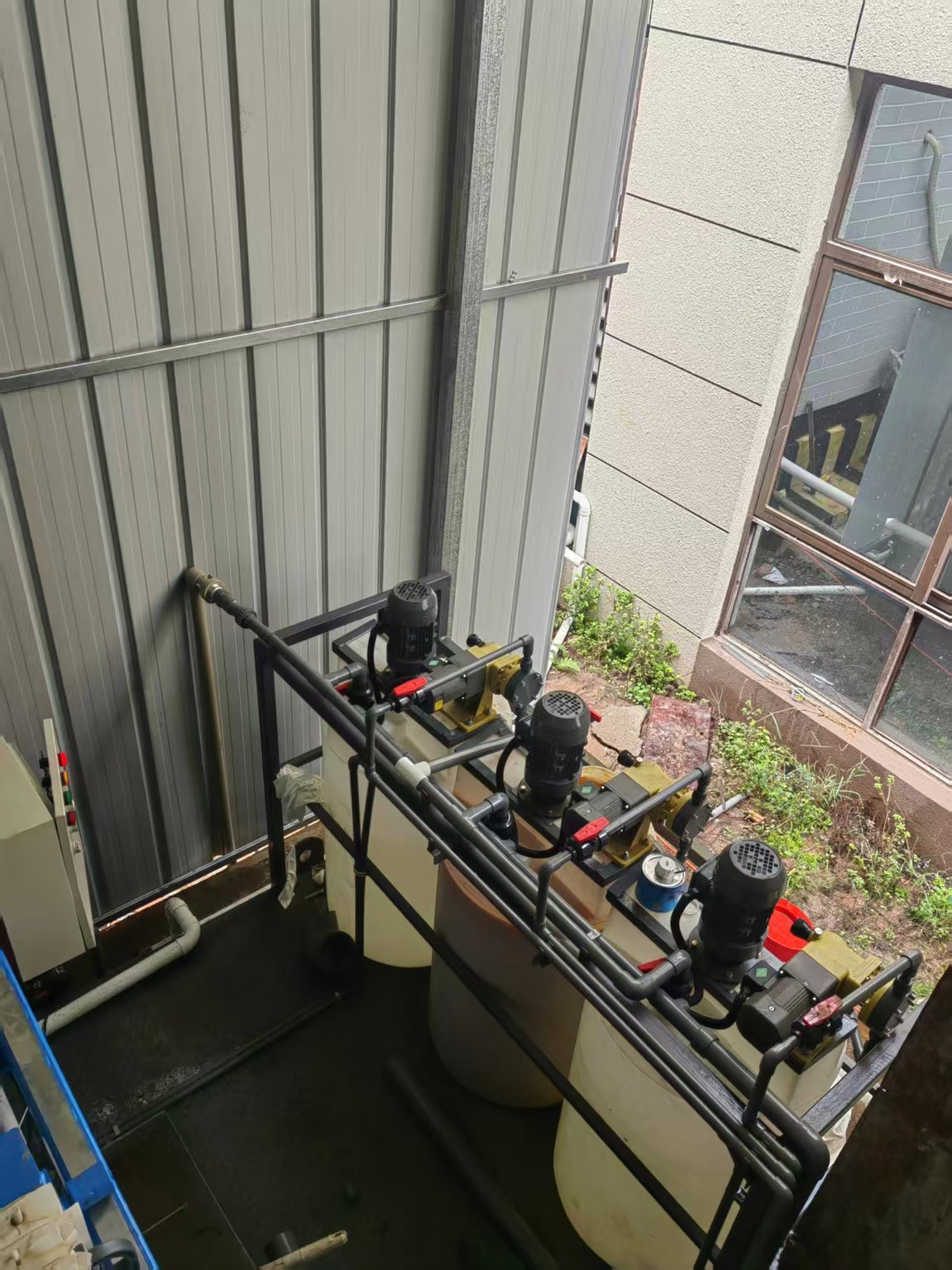
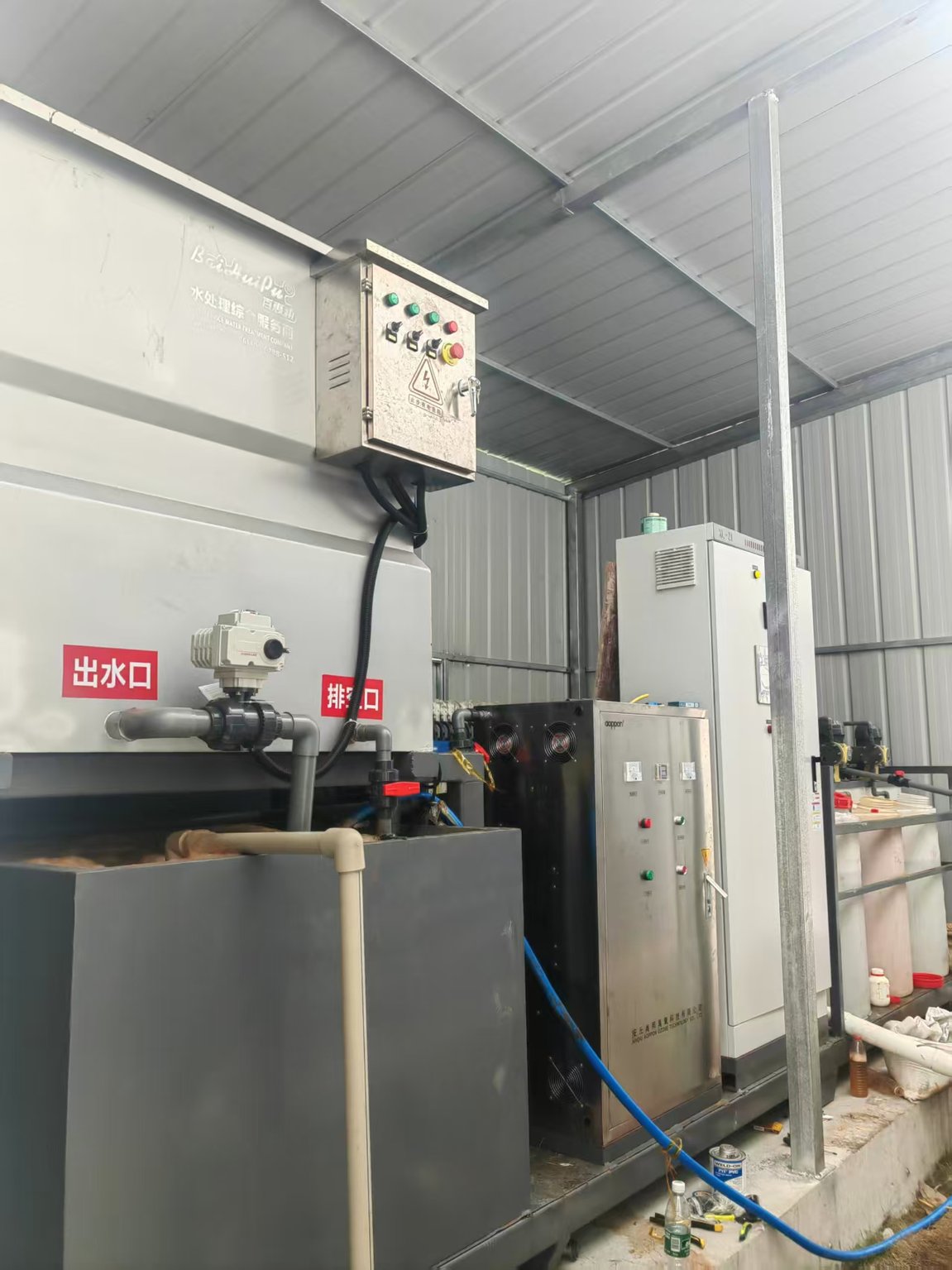
The equipment integrates a complete PLC-based intelligent control system with online monitoring instruments for pH and ORP parameters. Automated chemical dosing, adaptive water quality adjustment, and coordinated equipment operation help improve process stability under fluctuating loads.
Designed for Chongqing’s humid climate, frequent fog conditions, and seasonal temperature variations, the system provides reliable operation, standardized maintenance management, and suitability for large-volume continuous wastewater treatment applications.
|
 |
 |
This chemical wastewater treatment system is suitable for fine chemical manufacturers, new material producers, chemical additive factories, coating manufacturers, daily chemical raw material plants, and pharmaceutical intermediate enterprises in Chongqing and Southwest China.
Chemical wastewater typically contains complex organic compounds, residual chemicals, and low-biodegradability pollutants, creating challenges for conventional treatment processes. The combination of advanced oxidation and biological treatment technologies is designed for high-difficulty industrial wastewater applications.
The system can be applied to:
It supports chemical enterprises seeking stable wastewater management solutions under increasingly standardized environmental requirements.
 |
 |
Chongqing is one of the major chemical industry hubs in Southwest China, with a strong concentration of fine chemical manufacturing enterprises. During production processes such as synthesis reactions, material replacement, equipment cleaning, and process maintenance, chemical plants generate continuous wastewater containing complex pollutants.
Compared with conventional industrial wastewater, chemical wastewater often includes high molecular weight organic compounds, residual additives, colloidal substances, and color-causing components. Its composition may vary significantly depending on production schedules, while poor biodegradability can limit the performance of traditional biological treatment systems. As a result, enterprises may face challenges related to COD control, color reduction, discharge stability, and environmental monitoring requirements.
Based on the plant’s wastewater characteristics, 300 m³/day treatment demand, and continuous production conditions, Baihuipu developed a customized comprehensive chemical wastewater treatment solution combining physicochemical pretreatment and biological purification technologies.
Collected wastewater first enters the large equalization tank, where flow and pollutant concentrations are balanced to reduce fluctuations caused by production changes. This helps maintain a more stable operating condition for subsequent treatment units.
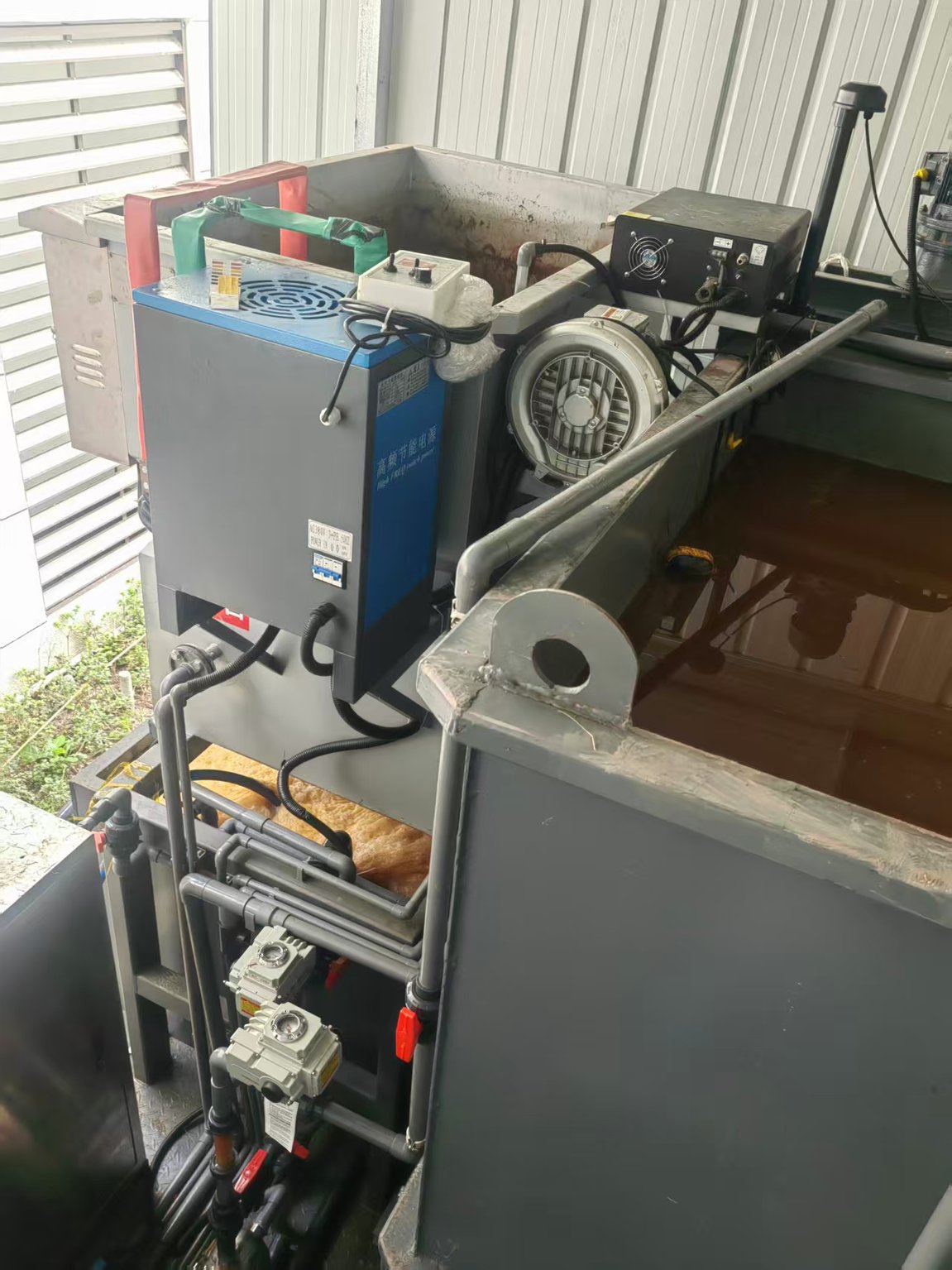
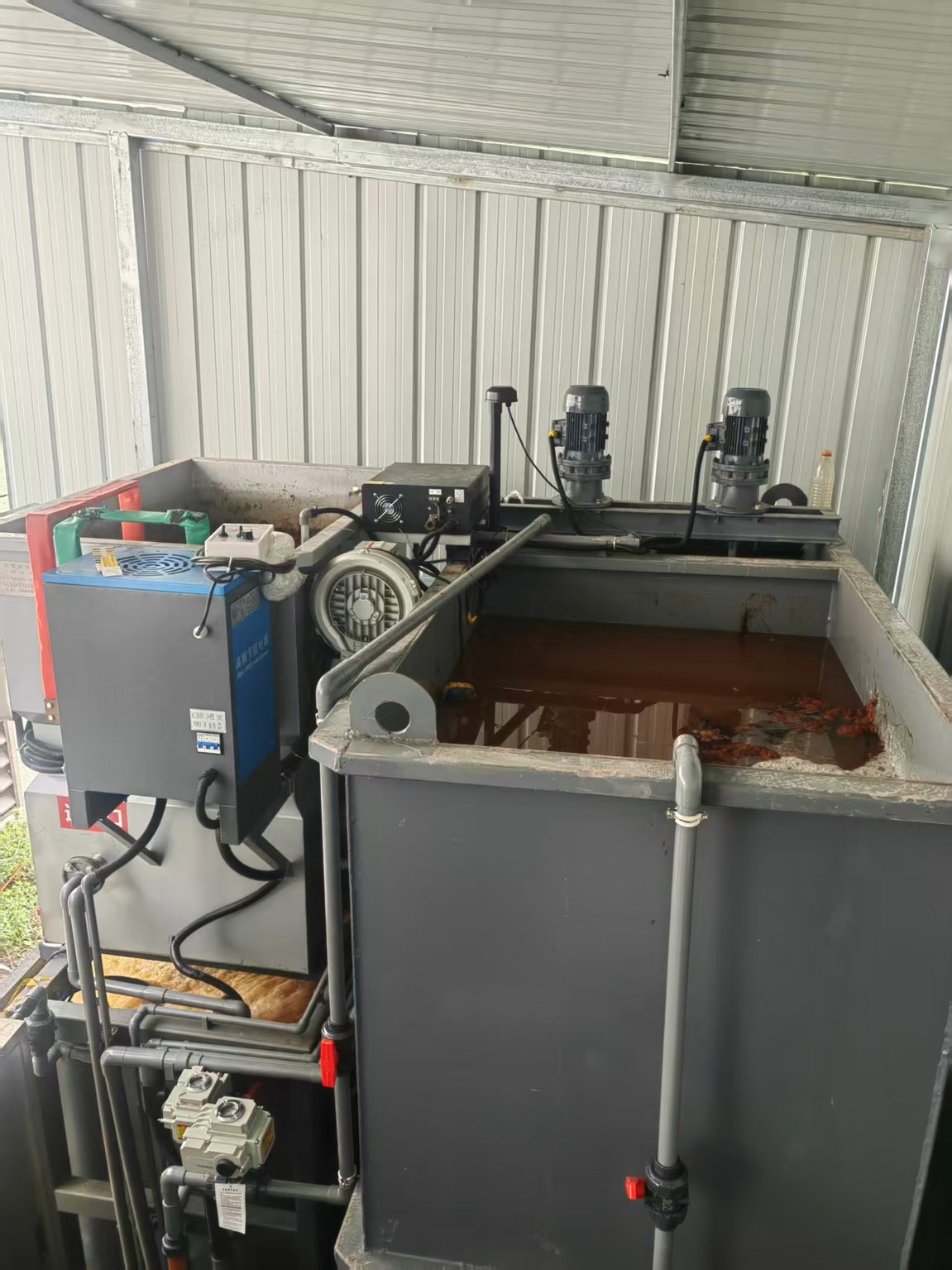
The wastewater then enters the Fenton oxidation process, where advanced oxidation reactions are applied to break down complex organic structures and improve biodegradability. This stage enhances treatment efficiency for difficult-to-degrade pollutants and prepares the wastewater for biological treatment.
Following oxidation, the wastewater undergoes precise pH adjustment and coagulation-flocculation treatment. Chemical agents promote the aggregation of suspended solids, colloids, oxidation residues, and other particulate pollutants into larger flocs, allowing effective solid-liquid separation through sedimentation.
The pretreated wastewater then flows into hydrolysis acidification and A/O biological treatment units. Through the activity of adapted microbial communities, residual organic pollutants are further degraded, supporting stable control of COD and nitrogen-related indicators. After secondary sedimentation, advanced filtration using sand filters and activated carbon further reduces remaining trace impurities and improves effluent quality.
After commissioning, the integrated treatment system provides stable operation with automated control, large processing capacity, and suitability for continuous industrial production. The project supports consistent wastewater management performance, assists enterprises in meeting environmental compliance requirements, and provides a practical reference solution for large-scale fine chemical wastewater treatment in Chongqing and surrounding regions.
 |
 |

 EN