
baihuipu-africa-compatible-electroplating-wastewater-zld-system-with-low-om-demand, baihuipu-africa-compatible-electroplating-wastewater-zld-system-with-low-om-demand, /case-studies
EN
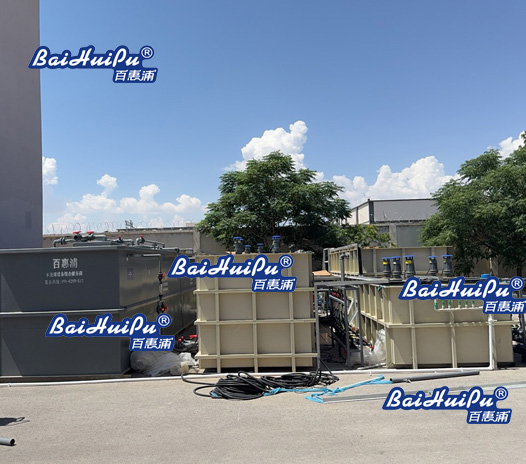
Designed for African industrial wastewater management requirements, this ZLD system addresses fluctuating wastewater quality and limited maintenance resources through physicochemical pretreatment, membrane purification, and concentration treatment, enabling water reuse and reduced discharge.
Project Overview
This project is a customized Zero Liquid Discharge (ZLD) wastewater treatment system developed for local electroplating and metal surface finishing enterprises in Africa. The solution is designed according to regional industrial wastewater management requirements and adapted to challenging operating conditions, including high raw water hardness, variable wastewater characteristics, unstable power supply, and limited technical personnel.
Core Treatment Process
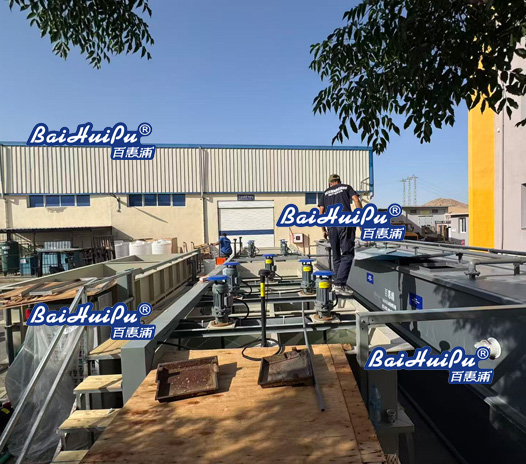
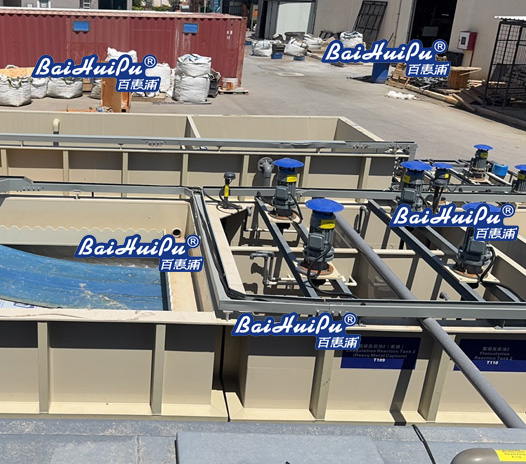
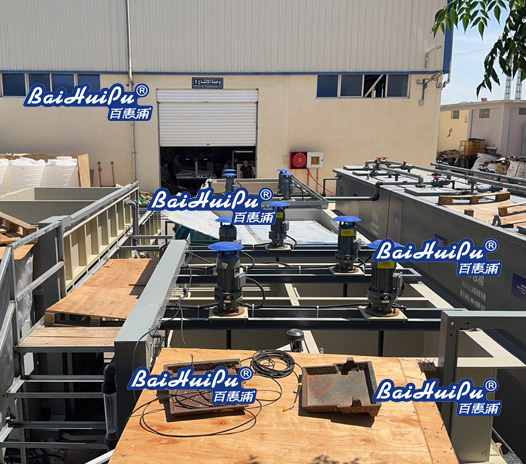
Wastewater Classification Collection → Equalization & Conditioning → Complex Breaking & Reduction → Acid-Alkali Neutralization → Coagulation & Sedimentation → Multi-Media Filtration → Ultrafiltration → Reverse Osmosis Concentration → Reclaimed Water Reuse + Concentrate Solidification Treatment
 |
 |
 |
System Features
Treatment Application:
Electroplating wastewater, metal finishing wastewater, nickel plating wastewater, chromium plating wastewater, acidic/alkaline rinsing wastewater, and high-salinity industrial wastewater.
Water Recovery Rate:
Designed water recovery rate up to 90%, supporting production water recycling and reducing freshwater consumption.
Adaptability Features:
This wastewater treatment system is developed for African electroplating plants, hardware manufacturing facilities, metal coating factories, and surface treatment enterprises.
Many industrial companies in Africa face challenges such as limited water resources, increasing environmental management requirements, insufficient wastewater treatment infrastructure, and a shortage of experienced operators. Conventional high-complexity ZLD systems may require intensive maintenance and specialized technical support, making them difficult to operate in some local conditions.
Baihuipu’s Africa-adapted ZLD solution simplifies the treatment structure while maintaining effective pollutant removal performance. The system is designed to handle:
It is suitable for:
|
 |
 |
With the continued development of manufacturing industries in Africa, sectors such as metal processing, hardware production, and electroplating are expanding rapidly. However, many industrial enterprises face challenges related to limited water availability, insufficient wastewater treatment facilities, and stricter environmental management requirements.
Electroplating wastewater typically contains complex pollutants, including heavy metals, chemical additives, complexing agents, and high concentrations of dissolved salts. The wastewater characteristics may vary significantly depending on production processes, while local conditions such as unstable electricity supply and limited maintenance resources create additional challenges for wastewater treatment system operation.
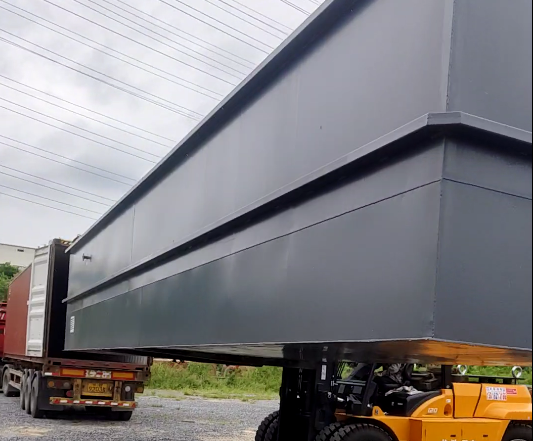
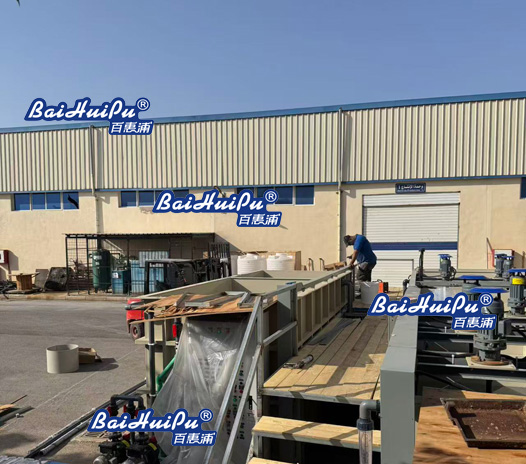
Based on these requirements, Baihuipu developed a customized electroplating wastewater Zero Liquid Discharge solution adapted for African industrial environments. The system integrates local operating conditions, environmental requirements, water characteristics, and maintenance capabilities into the engineering design.
The treatment process begins with classified wastewater collection and equalization, which helps balance variations in wastewater flow and pollutant concentration. The system then applies complex breaking, reduction, neutralization, and coagulation-sedimentation processes to remove heavy metals, suspended solids, and other contaminants. This pretreatment stage reduces pollutant loading and provides more stable operating conditions for downstream membrane treatment.
After pretreatment, wastewater undergoes advanced filtration and reverse osmosis concentration treatment. The recovered clean water can be reused for electroplating rinsing processes and production water supply, improving water utilization efficiency. Concentrated wastewater is further processed through solidification and volume reduction methods to minimize final disposal requirements.
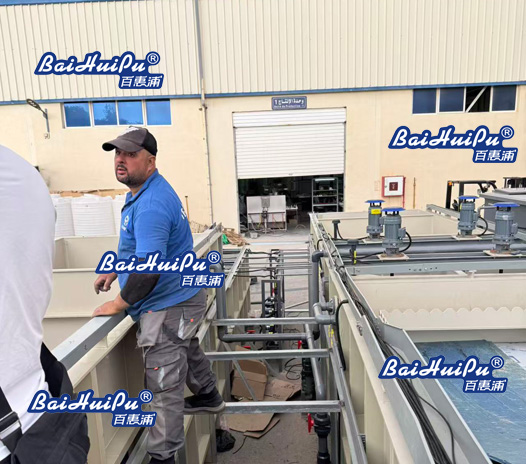
The equipment incorporates an energy-efficient operation design with voltage adaptation features to better suit areas where power stability may vary. The automated control system simplifies daily operation and reduces dependence on highly specialized operators.
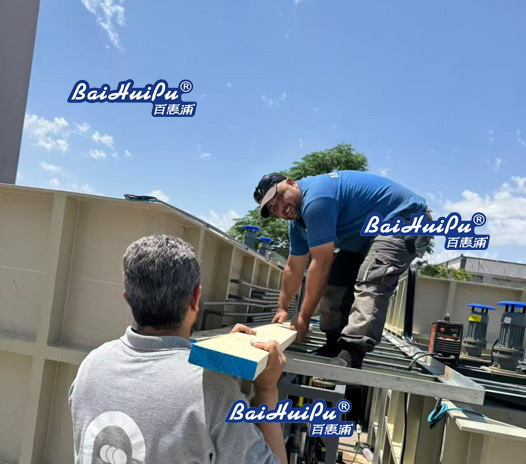
After implementation, the system provides stable wastewater management performance with reduced maintenance complexity and improved water recycling capability. It helps electroplating enterprises address wastewater treatment challenges, optimize production water consumption, and improve environmental management practices under African industrial operating conditions.
 |
 |
 |
 |

 EN