Dairy operations generate substantial volumes of wastewater containing high levels of organic matter, suspended solids, and nutrients. Effective dairy effluent treatment begins long before final biological or chemical processes kick in. The foundation of any robust treatment system relies on two critical upstream steps: equalization and pretreatment. These preliminary stages protect downstream equipment, stabilize process conditions, and reduce overall treatment costs while ensuring consistent compliance with environmental discharge standards.
Dairy wastewater varies dramatically throughout the operating day—peak flows during cleaning cycles, variable concentrations during production shifts, and inconsistent COD loads from processing activities. Without proper equalization and pretreatment strategies, secondary treatment systems face hydraulic shocks, biological upset, and accelerated equipment degradation.
Understanding Dairy Effluent Characteristics and Treatment Challenges
Why Dairy Wastewater Differs from Municipal Sources
Dairy effluent treatment requires specialized approaches because milk processing generates unique contaminant profiles. The wastewater contains high concentrations of lactose, fats, and proteins that decompose into volatile organic acids and resistant organics. COD levels in raw dairy wastewater typically range from 2,000 to 10,000 mg/L, far exceeding municipal sources.
Processing activities like cleaning-in-place (CIP) systems and product changeovers introduce caustic alkaline and acidic cleaning agents directly into wastewater streams. Temperature fluctuations from hot-water rinses to ambient cooling create thermal shocks that destabilize biological communities. The combination of extreme pH swings, temperature variations, and organic shock loads means that dairy effluent treatment systems must absorb these impacts without collapsing downstream processes. This reality underscores the critical importance of equalization and pretreatment stages.
Regulatory and Operational Drivers for Treatment Investment
Most jurisdictions impose strict discharge limits on COD, suspended solids, and nutrient content in industrial wastewater. Dairy facilities that fail to meet these standards face fines, permit violations, and potential operational shutdowns. Beyond compliance, many dairy operations reuse treated wastewater for cleaning, cooling, or land application, making high-quality effluent treatment economically attractive.
The Role of Equalization in Stabilizing Dairy Effluent Treatment
How Equalization Protects Treatment Processes
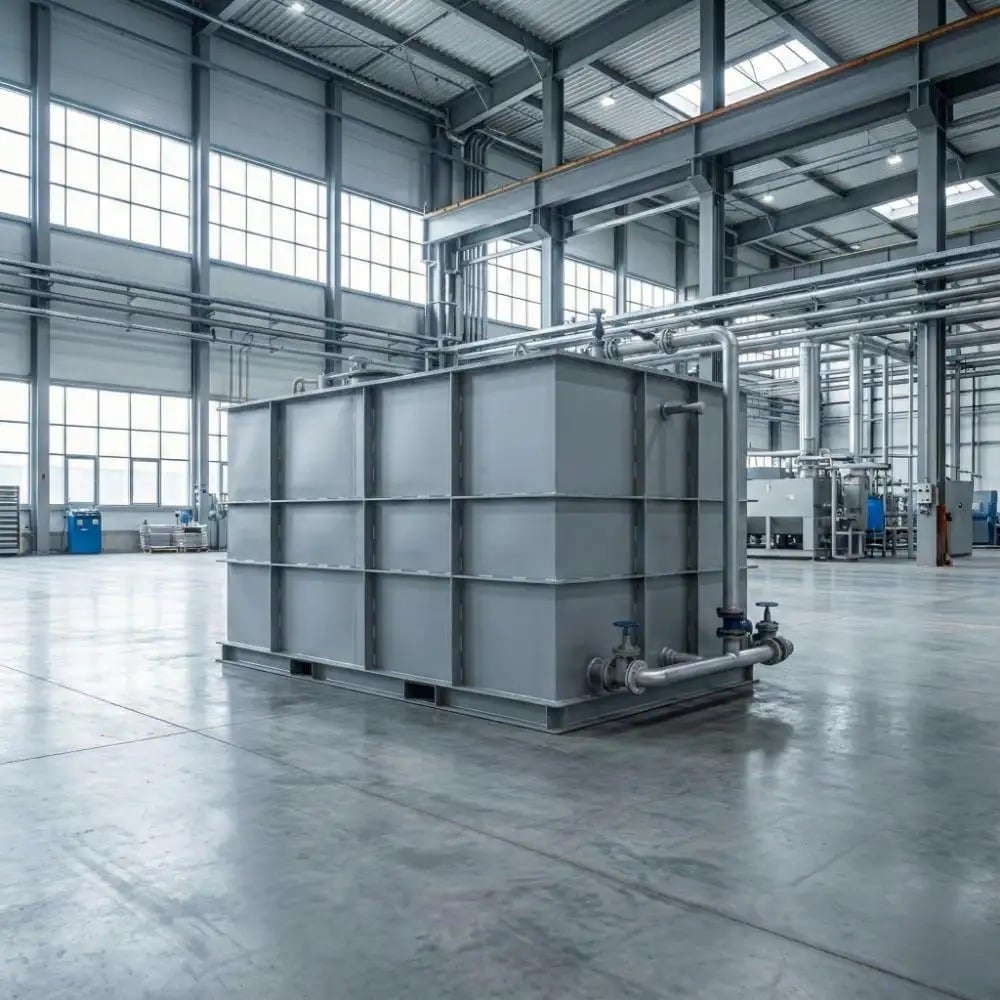
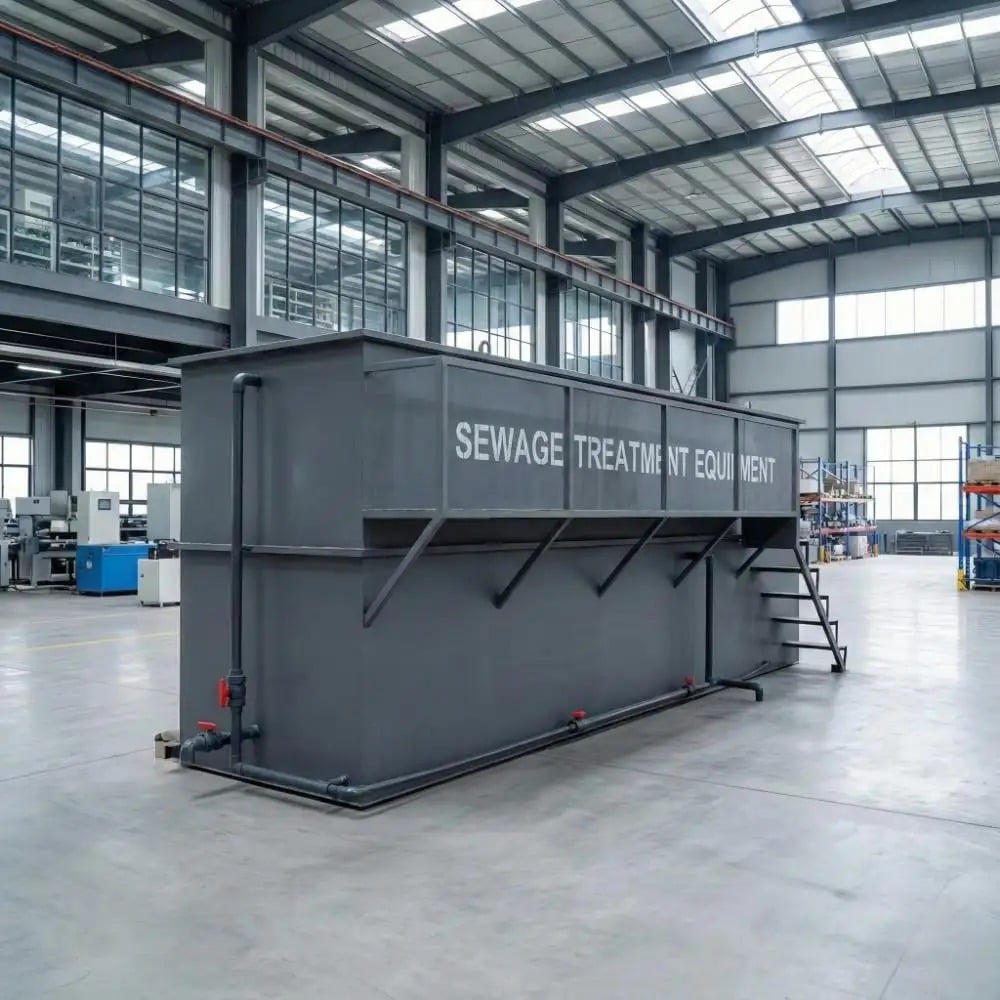
Equalization tanks serve as the first buffer in any dairy effluent treatment train. By collecting wastewater over several hours before gradual withdrawal, equalization smooths out hydraulic spikes and dampens contaminant concentration swings. A dairy facility producing 500,000 gallons per day might face peak flows of 2,000 gallons per minute during washdown, then nearly zero flow during product changeovers. Without equalization, secondary treatment reactors would experience violent fluctuations in loading, nutrient ratios, and aeration demands, leading to biomass washout, poor settling, and inconsistent effluent quality.
The equalization tank also allows time for grit, sand, and heavy settling solids to accumulate at the tank bottom, reducing abrasive wear on downstream pumps and membrane systems. Temperature stabilization occurs naturally in large equalization vessels, preventing the thermal shocks that kill nitrifying bacteria in biological treatment.
Sizing and Operating Equalization Systems Effectively
Properly sizing an equalization tank requires understanding the dairy facility's production schedule, cleaning protocols, and flow patterns. General design practice targets 4 to 8 hours of equalization storage, though dairy wastewater containing high COD loads may benefit from extended detention times. The equalization tank should maintain sufficient freeboard to accommodate peak inflows without overflow, yet operate at adequate depth to prevent short-circuiting. Operators must also account for temperature swings and implement sump heaters if incoming effluent drops below biological process minimums, ensuring stable microbial activity in downstream dairy effluent treatment stages.
Pretreatment Strategies to Minimize COD and Protect Equipment
Screening, Settling, and Grease Removal in Pretreatment
Pretreatment removes physical and chemical impediments before dairy effluent treatment proceeds to biological or advanced stages. Coarse screens eliminate fibrous solids, food particles, and debris that would clog membrane systems or damage pumps. Many dairy operations incorporate passive settling or lamella clarifiers within or immediately after the equalization tank, allowing suspended solids to gravitationally separate. Fat and grease, which constitute 20 to 40 percent of the organic load in dairy effluent, float readily and can be skimmed or removed via dissolved air flotation (DAF). This removal step dramatically reduces COD loading on biological reactors and prevents grease accumulation in pipes and treatment vessels.
After mechanical pretreatment, many facilities employ chemical conditioning with coagulants and flocculants to destabilize colloidal dairy solids and accelerate settling rates. Doses are typically low, ranging from 50 to 200 mg/L ferric sulfate or similar agents, sufficient to improve clarity without generating excessive sludge volume. This chemical-assisted pretreatment can remove 40 to 60 percent of suspended solids and 30 to 50 percent of raw COD, substantially easing the burden on secondary and tertiary dairy effluent treatment systems. The resulting pretreated stream becomes more predictable, allowing downstream biological processes to operate at stable organic loading rates.
Addressing pH and Temperature in Pretreatment
Dairy effluent from CIP systems often exhibits extreme pH values—alkaline from caustic cleaning or acidic from acid rinses—that must be neutralized before biological treatment. Pretreatment pH adjustment using dilute acid or lime ensures that dairy effluent treatment reactors receive feed within the optimal 6.5 to 8.0 pH range, preventing enzyme denaturation and biomass stress. Temperature moderation in the pretreatment stage, whether through mixing with cooler ambient effluent or low-level heating, creates a more stable environment for microbial communities downstream. Combining equalization, settling, and pH-temperature stabilization in the pretreatment phase results in substantially more consistent feed to downstream dairy effluent treatment units, improving their efficiency, reliability, and compliance performance.
Integrating Equalization and Pretreatment into Comprehensive Treatment Strategy
Optimizing Capital and Operational Economics
Investing in robust equalization and pretreatment infrastructure reduces capital and operational demands on secondary treatment systems. A dairy facility that removes 50 percent of COD and suspended solids in the pretreatment stage can downsize its biological reactor by 40 to 50 percent, yielding substantial capital savings. Operating costs decrease because biological treatment requires less aeration, fewer chemical additives, and less frequent maintenance on primary equipment. Additionally, equalization allows operators to run secondary systems at constant flow and loading, optimizing energy efficiency and sludge handling. The payback period for pretreatment capital typically ranges from 2 to 5 years through reduced operational expenses and extended equipment life.
Many modern dairy facilities also incorporate membrane filtration or ultrafiltration in the pretreatment stage, particularly when wastewater reuse is economically attractive. Such advanced dairy effluent treatment systems remove colloidal material and fine solids, enabling reuse for cleaning or irrigation without fouling downstream equipment. The higher capital investment is justified when water scarcity, discharge fees, or regulatory limits make reuse economically favorable compared to traditional biological treatment and discharge.
Monitoring and Adaptive Operation
Effective equalization and pretreatment require ongoing monitoring of flow, COD, suspended solids, pH, and temperature. Dairy facilities should establish baseline data during typical production cycles, then adjust equalization volume, pretreatment chemical doses, and operating protocols based on seasonal variations or production changes. Operators trained in wastewater fundamentals can optimize the timing of sludge removal from equalization tanks, adjust mixing intensity, and respond to sudden changes in feed composition. Regular maintenance of screening equipment, settling surfaces, and chemical injection systems ensures that equalization and pretreatment continue delivering stable, predictable feed to downstream dairy effluent treatment processes, maintaining overall system performance and compliance.
FAQ
What happens if dairy wastewater skips equalization and goes directly to biological treatment?
Without equalization, biological reactors experience sudden increases in flow and organic loading, causing washout of microbial biomass, poor settling in clarifiers, and inconsistent effluent quality. Nitrifying bacteria are particularly sensitive to these shocks and may wash out entirely, eliminating nitrogen removal capability. Temperature and pH swings destabilize enzyme activity and can trigger filamentous bulking. Most facilities treating dairy effluent without equalization face permit violations, higher chemical usage, and more frequent equipment failures.
How much COD can pretreatment typically remove from dairy wastewater?
Effective pretreatment combining settling, grease removal, and chemical coagulation can remove 30 to 60 percent of raw COD, depending on the dairy product mix and wastewater characteristics. Fat and grease removal alone achieves 20 to 40 percent COD reduction. Suspended solids removal typically ranges from 40 to 80 percent. These reductions significantly diminish the organic load reaching biological treatment, improving process stability and reducing aeration energy requirements by 30 to 50 percent.
Is equalization necessary if a dairy facility operates on a consistent 24-hour production schedule?
Even with continuous production, CIP cycles, product changeovers, and cleaning protocols introduce sharp flow and concentration peaks that justify equalization. Flow rates during washdown can be 5 to 10 times higher than average flows, and COD concentrations vary significantly between production and cleaning phases. Equalization smooths these internal peaks, stabilizing downstream biological treatment and improving compliance. Facilities claiming consistent flow should verify actual flow and load patterns through metering before concluding that equalization is unnecessary.

 EN