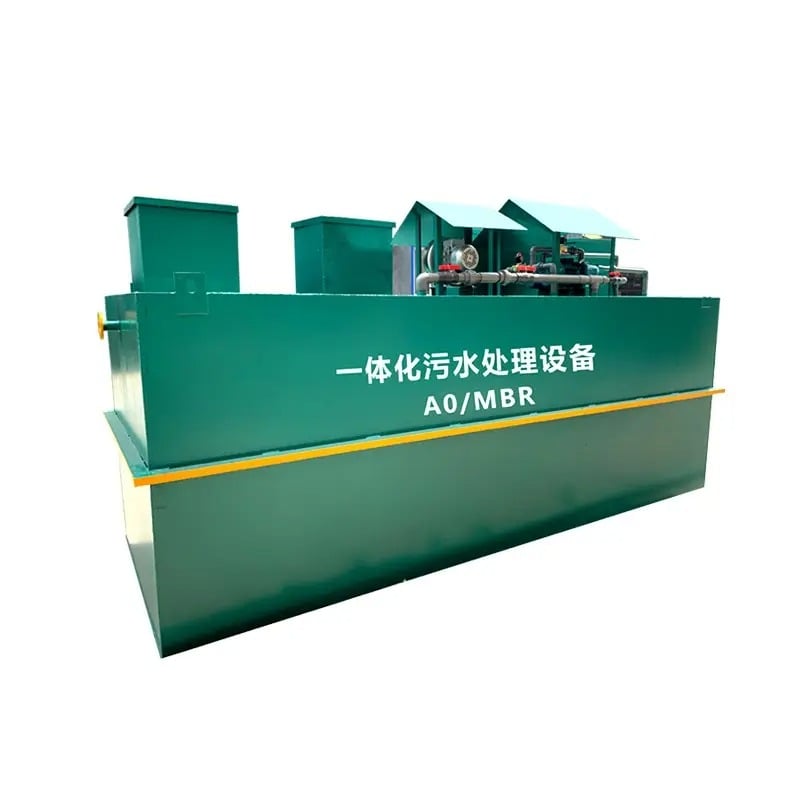
Equalization tanks have long been considered a foundational component in plating wastewater treatment systems. However, many facility managers and environmental engineers discover too late that equalization alone cannot adequately address the complex challenges of metal load variability. The reality of modern plating operations is that metal concentrations, pH fluctuations, and contamination spikes occur unpredictably throughout the production day, and a passive buffer tank simply cannot respond with the precision required to meet discharge standards consistently.
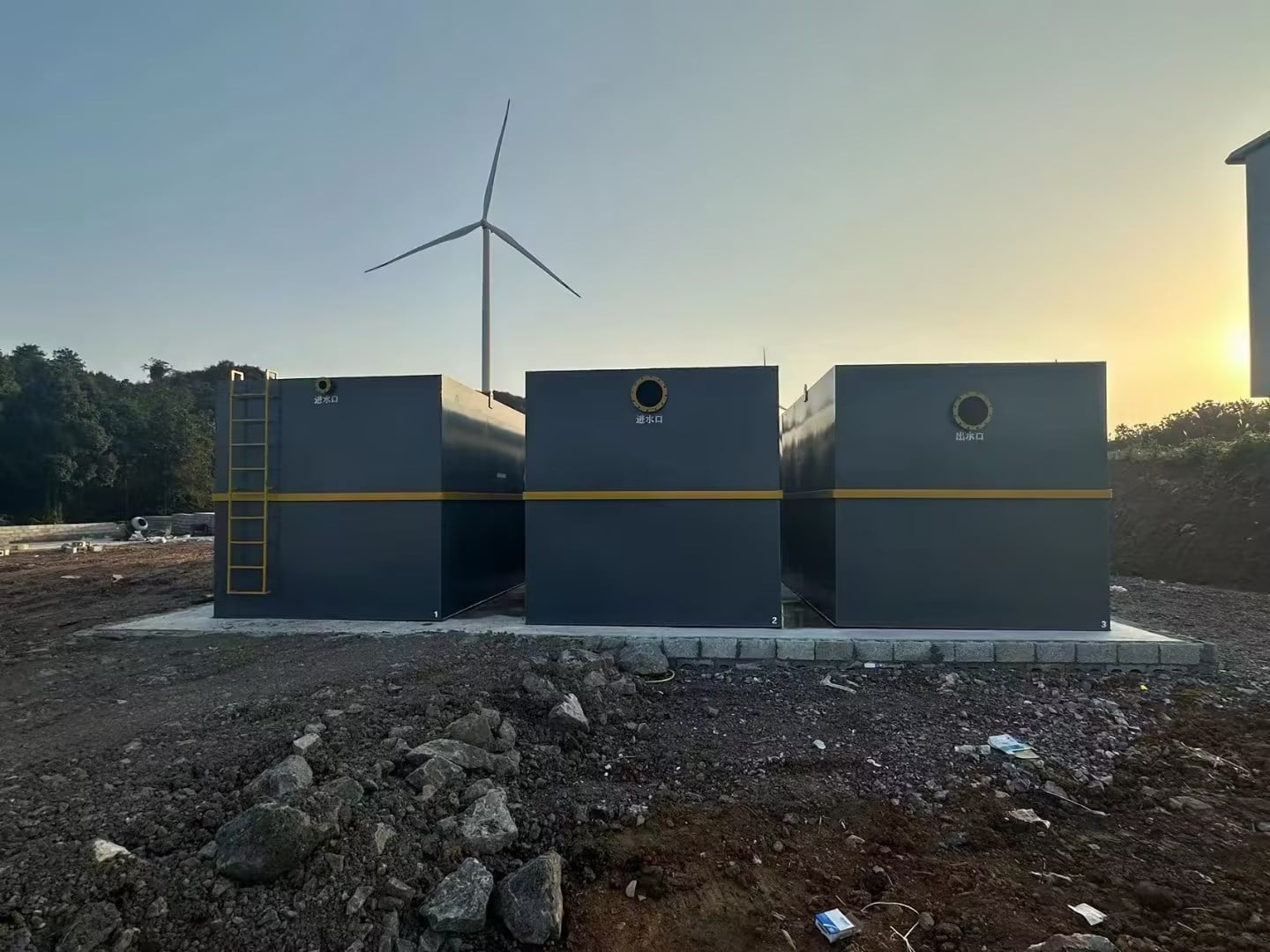
This article explores why equalization falls short in managing heavy metals and metal load variability, and why modern plating facilities need integrated process control strategies. Understanding these limitations is essential for achieving reliable compliance and minimizing treatment costs across your operation.
The Limitations of Equalization in Plating Operations
Why Equalization Tanks Fail to Address Metal Load Variability
Equalization works by collecting wastewater in a tank and releasing it at a steady, predictable rate. In theory, this smooths out flow surges and concentration spikes. However, plating wastewater presents a unique problem: metal loads are not uniformly distributed throughout the day. During rinsing cycles following plating baths, heavy metals concentrations can spike dramatically. Equalization cannot distinguish between different metal types or contamination levels; it simply stores and releases volume at a constant pace.
The core issue is that heavy metals in solution do not separate or settle during idle time in an equalization tank. Copper, nickel, zinc, and other metals remain dissolved and uniformly distributed throughout the stored wastewater. When the tank releases its contents to the treatment train, the downstream treatment processes receive whatever concentration was present, not an averaged or reduced concentration. This means equalization provides false confidence—facility operators believe the system is controlled when in fact the variability is simply being masked temporarily.
Metal Load Variability and Discharge Compliance
Regulatory agencies set discharge limits for individual heavy metals, and these limits are non-negotiable. A plating wastewater treatment system must reliably keep copper below 0.3 mg/L, nickel below 0.5 mg/L, and zinc below 2.0 mg/L depending on local regulations. Equalization does not reduce these concentrations; it only spreads them across time. When incoming wastewater contains 15 mg/L of copper due to a rich plating bath discharge, that copper still exits the equalization tank at 15 mg/L average concentration. Without active treatment intervention, the precipitation, flocculation, and separation stages downstream cannot function properly when metal loads spike unpredictably.
Facilities that rely solely on equalization often experience inconsistent removal of heavy metals, leading to permit violations, fines, and reputational damage. Regulatory agencies increasingly recognize that equalization is insufficient, and modern compliance strategies demand real-time process control mechanisms.
The Role of Process Control in Plating Wastewater Treatment
Real-Time Monitoring and Adaptive Treatment
Modern plating wastewater treatment systems integrate continuous monitoring equipment that tracks pH, oxidation-reduction potential, turbidity, and metal concentrations in real time. These sensors feed data to automated control systems that adjust chemical dosing, air injection, and mixing intensity based on actual incoming wastewater conditions. Unlike passive equalization, active process control responds to metal load variability within minutes, ensuring that treatment chemistry remains optimized regardless of production schedules.
Heavy metals removal relies on precise pH control during precipitation stages. Copper precipitates most effectively at pH 7.5 to 8.5, nickel at pH 8.5 to 9.5, and zinc at pH 9.0 to 10.0. If wastewater pH swings from 4.0 to 11.0 throughout the day, passive systems cannot maintain these optimal ranges. Process control systems automatically add acid or alkali to hold pH within tight windows, ensuring consistent precipitation efficiency and maximum heavy metals removal. This active intervention is what equalization alone cannot achieve.
Coordinating Equalization with Treatment Chemistry
When equalization is combined with intelligent process control, its role shifts from a solution to a supporting function. The equalization tank now serves as a buffer that allows time for monitoring and chemical adjustment, rather than relying on settling or natural dilution. Downstream treatment stages can then respond to predictable metal loads instead of receiving erratic surges.
A properly designed plating wastewater treatment system uses equalization to absorb short-term flow variations, while process control manages the chemistry and heavy metals removal. This dual approach prevents treatment processes from being overwhelmed by sudden concentration peaks. Flocculation and coagulation work more effectively, clarification is faster, and sludge quality is more consistent.
Integrated Solutions for Reliable Compliance
Designing Treatment Systems Beyond Equalization
Best-practice plating wastewater treatment systems now combine equalization, real-time process control, advanced oxidation, precipitation, flocculation, and polishing filtration into an integrated workflow. Each stage is monitored and controlled to address specific contaminants and metal loads. The equalization tank is no longer viewed as the primary treatment step but as one component within a larger, responsive system.
Facilities upgrading from equalization-only systems often report 30 to 50 percent improvement in discharge consistency and a reduction in heavy metals violations. The investment in sensors, controllers, and treatment chemistry management pays dividends through reduced compliance costs, lower regulatory scrutiny, and extended equipment life due to more stable operating conditions.
Key Performance Indicators for Plating Operations
Monitoring system performance requires tracking multiple metrics beyond simple flow and volume. Heavy metals removal rates, pH stability windows, sludge production per gallon treated, and effluent quality variance all indicate whether your plating wastewater treatment approach is adequate. Facilities that rely on equalization without process control typically show high variance in these metrics, while facilities with integrated control systems demonstrate tight consistency.
Metal load variability is inherent to plating operations; it cannot be eliminated. However, modern treatment technology can neutralize its impact on discharge compliance. By moving beyond equalization and embracing active process control, plating facilities achieve predictable, reliable compliance and reduce the total cost of wastewater management.
FAQ
Can equalization tanks remove heavy metals from plating wastewater?
Equalization tanks cannot remove heavy metals. They only store and release wastewater at a steady rate. Heavy metals remain dissolved in solution and pass through the tank at the same concentration they entered. Actual removal requires chemical precipitation, oxidation, or other active treatment processes controlled by process control systems.
What happens when equalization fails to manage metal load variability?
When equalization alone is used, downstream treatment stages receive unpredictable heavy metals loads that exceed their optimal operating conditions. This results in incomplete metal precipitation, poor flocculation efficiency, and inconsistent effluent quality. Facilities often face permit violations, fines, and the need for expensive emergency treatment interventions.
How does process control improve plating wastewater treatment performance?
Process control systems continuously monitor pH, oxidation-reduction potential, and metal concentrations, then automatically adjust chemical dosing and aeration to maintain optimal conditions. This real-time response ensures consistent precipitation efficiency, reliable heavy metals removal, and stable discharge compliance regardless of incoming wastewater variability or production schedule changes.

 EN