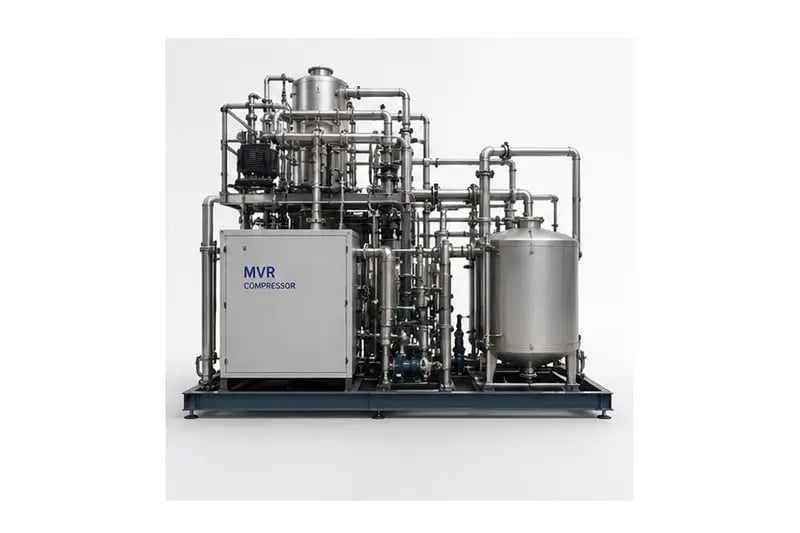
Understanding the true financial impact of investing in a wastewater evaporation system requires looking beyond the initial purchase price. Organizations often focus on capital cost without recognizing the broader financial landscape that defines total ownership cost. The complexity of TCO calculation stems from multiple interrelated factors that accumulate over the system's operational lifespan, each contributing meaningfully to the bottom line.
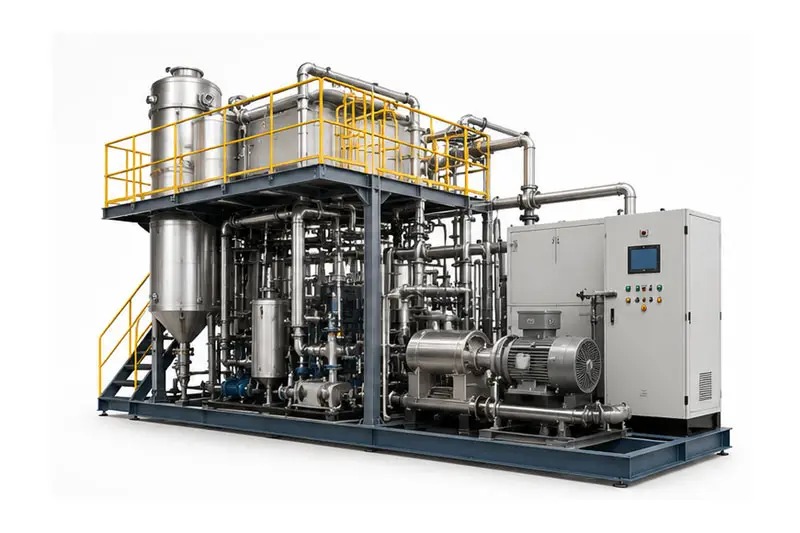
The capital cost of purchasing and installing a wastewater evaporation system typically represents only 20 to 30 percent of the total cost of ownership over a ten-year period. Energy consumption, maintenance requirements, spare parts availability, and operational labor all accumulate substantially over time. Organizations that fail to evaluate these factors comprehensively often discover unexpected budget pressures mid-project, forcing reactive spending rather than planned financial management.
Capital Cost and Equipment Selection
Initial Purchase and Installation Expenses
The capital cost for a wastewater evaporation system varies significantly based on technology type, capacity, and site-specific requirements. Mechanical vapor recompression systems typically command higher upfront investment than passive thermal evaporators, yet the relationship between initial spend and operational efficiency differs markedly. Installation complexity, including foundation preparation, utility connections, and control system integration, directly influences total project capital cost and implementation timelines.
Procurement specifications shape capital cost throughout the system lifecycle. Selecting equipment built for industrial durability rather than entry-level efficiency may increase the capital cost initially but dramatically reduces replacement frequency and emergency downtime. Modular wastewater evaporation system designs allow phased installation that spreads capital cost across multiple fiscal periods, improving budget allocation flexibility and financial planning accuracy.
Equipment Sizing and Performance Optimization
Oversized wastewater evaporation system capacity creates unnecessary capital cost while undersized systems force expensive retrofitting or supplementary units. Accurate load profiling and peak flow analysis directly determine appropriate equipment scale and prevent capital cost waste. Advanced modeling techniques enable organizations to optimize capacity specifications before finalizing capital cost commitments, protecting investment efficiency and operational reliability.
Energy Consumption and Operating Expenses
Power Demand and Fuel Requirements
Energy represents the largest variable operating cost for any wastewater evaporation system, often consuming 40 to 60 percent of total TCO across the asset lifecycle. Mechanical systems require continuous electrical power, while thermal systems demand consistent heat sources such as natural gas or industrial steam. The energy intensity of evaporation—whether measured in kilowatt-hours per gallon or BTU per pound of water removed—fundamentally determines long-term cost structure and competitiveness versus alternative disposal methods.
Utility rates fluctuate based on geography, seasonal demand, and grid conditions, creating cost variability that compounds across multi-year system operation. Organizations must project realistic energy pricing trends when calculating TCO for a wastewater evaporation system, accounting for regional rate history and anticipated infrastructure investments. Efficiency gains of even five to ten percent in energy consumption yield substantial savings across ten-year operation windows, justifying premium equipment selection that minimizes energy demand.
Heat Recovery and Integration Opportunities
Advanced wastewater evaporation system designs incorporate heat recovery features that capture waste thermal energy from adjacent processes or system operations themselves. Preheating influent streams, recovering condensate heat, or integrating with combined heat and power installations reduces net energy consumption for the wastewater evaporation system. These integration strategies transform energy from a pure cost center into a partially recoverable efficiency advantage, meaningfully improving TCO competitiveness and environmental performance simultaneously.
Maintenance, Downtime, and Long-Term Reliability
Preventive and Corrective Maintenance Impact
Maintenance costs for a wastewater evaporation system accumulate through scheduled servicing, replacement parts, consumables, and unplanned repairs. Scaling, corrosion, and membrane fouling require regular intervention in thermal and membrane-based systems respectively. Organizations operating high-salinity wastewater face accelerated maintenance demand for evaporation system components, elevating total lifecycle maintenance spend significantly compared to lower-salinity applications.
Preventive maintenance programs reduce catastrophic failures and emergency repairs, stabilizing total maintenance costs as a predictable operating expense rather than reactive budget pressure. Scheduled replacement of wear items—gaskets, seals, heating elements, and instrumentation—extends wastewater evaporation system asset life and prevents operational interruptions. Vendor-supplied maintenance plans and equipment warranty structures influence how maintenance costs integrate into overall TCO calculations and risk profiles.
Operational Complexity and Staffing Requirements
Operating a wastewater evaporation system demands trained personnel for monitoring, troubleshooting, and routine adjustments. Staffing costs, training programs, and knowledge retention directly impact TCO through labor allocation and overtime requirements. Highly automated systems reduce per-unit labor demand but require specialized technical skills, creating different staffing cost profiles than semi-manual alternatives. Organizations must evaluate the wastewater evaporation system's technical sophistication against available internal expertise and regional labor market availability.
Unplanned downtime extends beyond the immediate loss of treatment capacity by forcing alternative disposal arrangements, environmental compliance risks, and production delays. Each hour of wastewater evaporation system unavailability creates cascading costs that mature organizations factor directly into TCO models. Mean time between failures, availability targets, and redundancy architecture collectively determine realistic downtime frequency and associated financial impact.
Lifecycle Factors and Long-Term Value
Residual Value and End-of-Life Considerations
The financial lifecycle of a wastewater evaporation system extends beyond operational productivity into equipment decommissioning and salvage value recovery. Used equipment markets, metal scrap value, and refurbishment potential offset final disposal costs and reduce net TCO. Organizations that design systems with modular, standardized components improve future salvage revenue and extend effective system life through component upgrades rather than full replacement.
Regulatory Compliance and Risk Mitigation
Regulatory frameworks mandate specific effluent discharge limits, environmental monitoring, and documentation requirements that influence wastewater evaporation system selection and operational expense. Compliance costs integrate into TCO through testing, reporting infrastructure, and certified operator labor. Future regulatory tightening affects the economic viability of installed systems, making robust technology selection critical for protecting long-term investments against changing environmental standards.
FAQ
What is the typical payback period for a wastewater evaporation system investment?
Payback periods for wastewater evaporation system investments typically range from four to eight years, depending on influent waste streams, local disposal costs, and energy expenses. Higher disposal fees and greater wastewater volumes accelerate payback timelines significantly. Organizations should model payback using realistic operational assumptions and site-specific utility rates rather than industry averages, ensuring TCO calculations reflect actual financial circumstances.
How does wastewater evaporation system energy consumption compare across technology types?
Mechanical vapor recompression systems typically consume 60 to 80 kilowatt-hours per 1000 gallons of water evaporated, while thermal systems require 1.2 to 2.0 million BTU per 1000 gallons depending on design efficiency. Capital cost differences often reflect energy performance variations, making true TCO comparison essential beyond equipment purchase price alone. Energy performance data should be verified through independent testing or vendor references from comparable applications.
What maintenance costs should be budgeted for a wastewater evaporation system over ten years?
Maintenance costs typically accumulate to 30 to 50 percent of the original capital cost across ten years of operation, including labor, parts, and consumables. High-salinity or chemically aggressive wastewater increases maintenance requirements and associated expenses. Establishing detailed maintenance budgets requires understanding your specific wastewater characteristics, local labor rates, and parts availability through vendor consultation and industry benchmarking data.

 EN