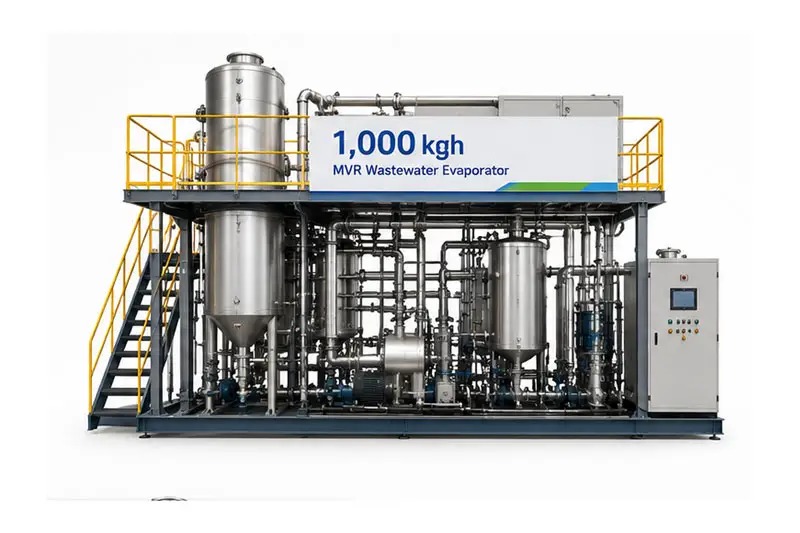
A Factory Acceptance Test, commonly called a FAT, is a critical quality control checkpoint that verifies an industrial evaporator meets all design specifications, performance criteria, and operational requirements before shipment to the customer site. This comprehensive testing phase ensures that the equipment functions reliably under controlled factory conditions and that all systems, from mechanical components to process controls, are operating within design parameters. Understanding what should be included in a FAT protects your investment, reduces startup delays, and establishes a clear baseline for equipment performance.
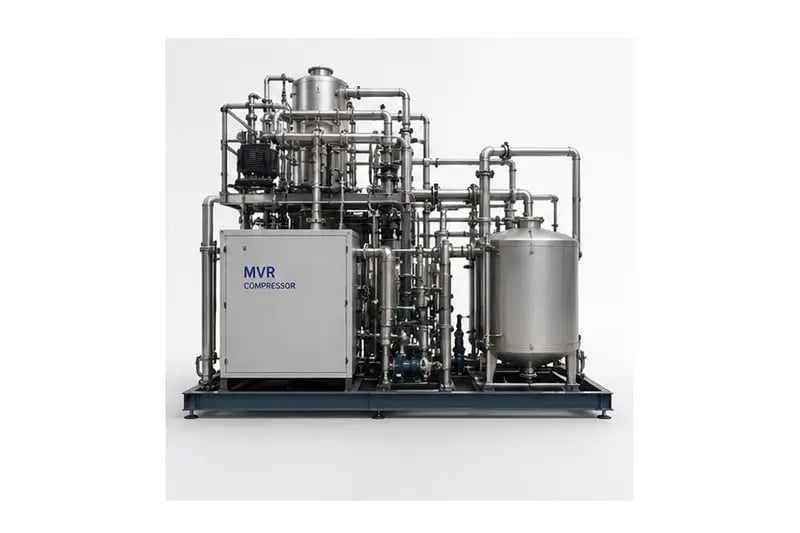
Working with an experienced industrial evaporator supplier means gaining access to FAT protocols that have been refined across hundreds of installations. The FAT process bridges the gap between engineering design and field commissioning by systematically validating every aspect of the equipment in a factory environment where variables are controlled and issues can be resolved before the unit leaves the manufacturing facility. A well-executed FAT provides documented evidence that the equipment is ready for transport and installation at your facility.
Performance and Capacity Testing
Performance testing forms the foundation of any FAT for an industrial evaporator. This testing evaluates whether the unit achieves its rated evaporation capacity, separation efficiency, and heat recovery performance under specified feed conditions. The industrial evaporator supplier will operate the equipment at design conditions using representative feed material or simulated process liquid to confirm throughput rates, vapor quality, and concentrate discharge composition match the contractual specifications. Instrumentation must measure temperatures, pressures, flow rates, and product purity to generate a complete performance baseline.
Capacity testing should include multiple operating scenarios, including startup, steady-state operation at design conditions, and controlled shutdown sequences. This testing identifies any thermal or hydraulic imbalances, efficiency losses, or unexpected pressure drops that could compromise performance in the field. Documentation of all test data, including raw measurements and calculated performance metrics, provides the industrial evaporator supplier and the customer with independent verification that design promises have been met.
Safety System Verification
Safety systems represent non-negotiable components of any FAT protocol. Pressure relief valves, thermal protection devices, emergency shutdown mechanisms, and high-temperature alarms must be tested to confirm they activate at specified setpoints and perform their intended protective function. The industrial evaporator supplier must demonstrate that all interlocks function correctly, that emergency stops operate reliably, and that the equipment cannot be operated in an unsafe configuration due to failed sensors or operator error.
Testing should include simulated fault conditions to verify that the equipment responds appropriately when temperature sensors fail, pressure spikes occur, or cooling systems malfunction. Each safety device must be tested independently and then as part of the integrated safety system to ensure no conflicts exist between protective mechanisms. A comprehensive FAT demonstrates that the equipment prioritizes operator and facility safety above all other operational concerns.
Controls and Automation Systems Validation
Control System Functionality
Modern industrial evaporator units rely on automated control systems to maintain optimal operating conditions, manage energy consumption, and respond to changing feed characteristics. During FAT, the control system must be validated through both manual testing and automated routine execution. All sensor inputs should be verified for accuracy and response time, including temperature transmitters, pressure transducers, level sensors, and flow meters used for process feedback and equipment protection.
The industrial evaporator supplier should demonstrate that PLC logic, feedback loops, and cascade control strategies operate correctly under normal and abnormal conditions. Testing includes verifying that setpoint adjustments produce expected changes in equipment operation, that manual override controls function safely, and that data logging captures all critical process parameters for troubleshooting and compliance documentation. Control response time testing ensures that the system can stabilize the process following disturbances without oscillation or overshoot that could degrade product quality or damage equipment.
Data Acquisition and Reporting
The FAT should confirm that the data acquisition system accurately collects, stores, and reports process parameters required for operational analysis and regulatory compliance. All alarms, warnings, and process events must be time-stamped and logged to provide a complete record of equipment behavior during testing. The industrial evaporator supplier must verify that data export functions work correctly, that backup systems preserve critical information if power fails, and that historical trend analysis tools provide actionable insights into equipment performance patterns.
Testing of the human-machine interface should confirm that operators can easily access real-time data, acknowledge alarms, and make informed decisions about process adjustments. Remote monitoring capabilities, if included in the system, must be tested for security, data integrity, and latency to ensure that remote users receive accurate information without compromise. Comprehensive testing of controls systems during FAT prevents costly surprises during field commissioning when the industrial evaporator supplier support team may not be immediately available.
Documentation and Compliance Standards
As-Built Documentation and Drawings
Complete and accurate documentation is essential for equipment operation, maintenance, and future upgrades. The FAT process verifies that all as-built drawings reflect the actual equipment configuration, including any field modifications made during assembly or testing. Piping and instrumentation diagrams, electrical schematics, and control system architecture drawings must be stamped as accurate and approved for use by operations and maintenance personnel. The industrial evaporator supplier should provide certified P&ID documents, electrical single-line diagrams, and equipment datasheets that serve as the authoritative reference for the installed unit.
Equipment tag numbers, valve positions, sensor locations, and control system addresses must be cross-referenced between physical equipment and documentation to eliminate confusion during commissioning and troubleshooting. FAT verification ensures that maintenance technicians, operations staff, and future engineers have access to reliable documentation that matches the equipment they will be working with. This documentation becomes the foundation for spare parts procurement, training programs, and long-term asset management.
Test Reports and Certification
The FAT testing phase produces a comprehensive test report that documents every test performed, the results obtained, and the pass-or-fail determination for each criterion. This report should include dated signatures from representatives of both the industrial evaporator supplier and the customer, confirming mutual agreement that the equipment meets contractual specifications. Any deviations from original specifications must be documented, explained, and approved in writing before equipment release.
Certification documents, material certs, hydrostatic test reports, and third-party inspection reports must be compiled into a single documentation package that travels with the equipment to the installation site. This package provides evidence of quality assurance and regulatory compliance, supporting smooth handoff to the operations team and protecting all parties in case of future disputes about equipment condition at shipment. Professional documentation reflects the competence and reliability of the industrial evaporator supplier and establishes clear accountability for equipment performance.
FAQ
What is the typical duration of a FAT for an industrial evaporator?
The duration of a FAT depends on equipment complexity, system size, and the comprehensiveness of testing protocols. A typical FAT for a medium-sized industrial evaporator system may require three to seven days of intensive factory testing, including setup, cold commissioning, performance testing, safety verification, controls validation, documentation review, and final sign-off. Complex systems with advanced controls or specialized feed materials may require additional testing time. The industrial evaporator supplier should provide a detailed FAT schedule during the proposal stage so customers can plan observer attendance and budget for factory inspection costs.
Who should attend the FAT and what is their role?
Both the industrial evaporator supplier's technical team and the customer's operations and engineering representatives should attend the FAT to verify that the equipment meets expectations and to gain operational familiarity before field commissioning. The supplier's FAT team conducts tests, collects data, and explains findings while the customer's team observes, asks questions, validates results against project specifications, and identifies any concerns that must be resolved before equipment shipment. This collaborative approach ensures transparent communication, builds customer confidence in the equipment, and prevents misunderstandings about equipment capabilities and limitations during later commissioning phases.
What happens if the FAT fails to meet specifications?
If testing reveals that the industrial evaporator fails to meet contractual specifications, the industrial evaporator supplier must diagnose the root cause and implement corrective actions, which may include component adjustments, repairs, or in severe cases, equipment replacement. Failures must be documented, correction actions defined and completed, and repeat testing performed to confirm that problems have been resolved. The customer retains the right to reject equipment that cannot be brought into compliance with specifications, and financial penalties, schedule adjustments, or other contractual remedies may apply depending on project terms. Clear specification definitions and realistic FAT criteria, established before manufacturing begins, prevent disputes and ensure that both parties understand what constitutes acceptable performance.

 EN