
petrochemical-wastewater-treatment-industry-solution, petrochemical-wastewater-treatment-industry-solution, /solutions
EN
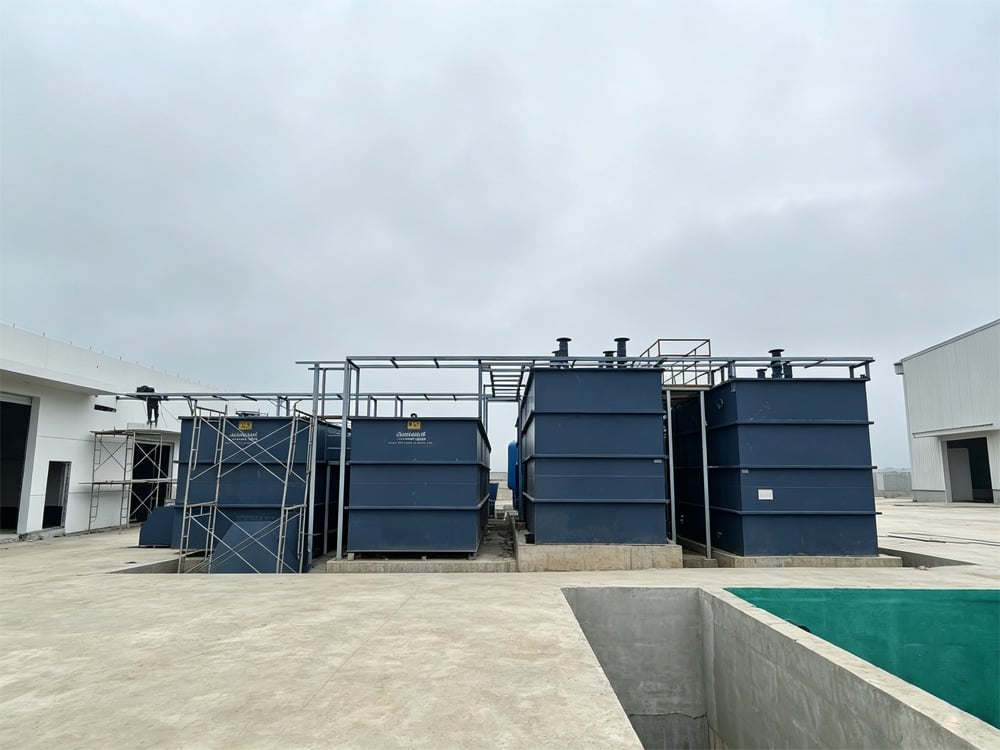
Petrochemical wastewater is generated throughout the entire production process, including crude oil refining, steam cracking, hydrotreating, polymerization, petroleum product finishing, equipment cleaning, cooling tower blowdown, and plant washdown operations. It covers a wide range of industrial applications, including oil refining, petrochemical synthesis, and synthetic fiber manufacturing.
Based on its characteristics, petrochemical wastewater can generally be classified into four major categories: oily wastewater, chemical organic wastewater, acid/alkaline wastewater, and high-salinity concentrate.
Typical contaminants include suspended oil, emulsified oil, dissolved hydrocarbons, petroleum hydrocarbons, BTEX compounds (benzene, toluene, ethylbenzene, and xylene), sulfides, volatile phenols, ammonia nitrogen (NH₃-N), total phosphorus (TP), and various inorganic salts. Wastewater quality often fluctuates significantly due to varying production conditions, resulting in high shock loading.
Overall, petrochemical wastewater is characterized by high oil content, complex organic pollutants, inconsistent biodegradability, strong corrosiveness, severe scaling tendency, and unpleasant odors. Stable emulsified oils and refractory high-molecular-weight organic compounds are particularly difficult to remove using conventional treatment technologies, making wastewater treatment and water reuse among the greatest environmental challenges for the petrochemical industry.
Petrochemical production operates continuously with highly complex processes, resulting in wastewater compositions that change frequently. One of the biggest challenges is the unstable removal of emulsified oils and complex organic pollutants, which can easily lead to excessive COD and oil content in discharged effluent, increasing environmental compliance risks.
Oil, sulfides, and other toxic compounds inhibit biological microorganisms, reducing biological treatment efficiency and causing unstable system performance. Oil fouling and colloidal contaminants also accelerate membrane fouling, pipeline blockage, corrosion, and scaling, leading to frequent maintenance shutdowns and high operating costs.
Conventional standardized treatment systems generally lack sufficient resistance to oil contamination and corrosion, making them unsuitable for the harsh operating conditions of petrochemical plants. In addition, limited plant space and frequent capacity expansion requirements make traditional civil-construction wastewater facilities difficult to retrofit, creating strong demand for compact, modular, and fully customized wastewater treatment systems.
Based on the characteristics of integrated petrochemical wastewater, our solution adopts the following customized treatment process:
Segregated Collection & Equalization → Oil Separation & Dissolved Air Flotation (DAF) → Advanced Oxidation → Biological Treatment → Advanced Filtration → Membrane Water Reuse
Different wastewater streams are collected and equalized separately to minimize hydraulic and contaminant shock loading. Free oil, emulsified oil, and suspended solids are efficiently removed through gravity oil separation followed by high-efficiency dissolved air flotation (DAF).
Catalytic Advanced Oxidation Processes (AOPs) are then employed to decompose refractory organic compounds and improve biodegradability. An integrated A/O + MBR biological treatment system effectively removes COD, ammonia nitrogen, phenols, and other organic pollutants.
Finally, Ultrafiltration (UF) combined with anti-fouling Reverse Osmosis (RO) provides advanced purification, producing high-quality reclaimed water suitable for cooling tower makeup, equipment cleaning, and other industrial reuse applications.
Our solution is specifically engineered for the demanding conditions of petrochemical wastewater treatment, delivering efficient removal of oils, complex organic pollutants, and heavy metals while consistently meeting discharge and water reuse standards.
Customized equipment configurations are available based on wastewater characteristics, corrosion levels, available plant space, and production capacity. We provide reinforced anti-corrosion structures, anti-fouling hydraulic designs, and compact modular equipment suitable for continuous petrochemical operations.
All core mechanical equipment, electrical control systems, and water treatment components are certified to CE, UL, and ISO standards, ensuring full compliance with international safety and quality requirements.
The integrated treatment process offers excellent resistance to hydraulic and contaminant shock loading, effectively preventing biological system failures and membrane fouling. Water reuse rates of over 90% can be achieved, significantly reducing freshwater consumption and hazardous waste disposal costs.
With a modular design, compact footprint, flexible scalability, and fully automated intelligent operation, the system is ideally suited for long-term production expansion and stable plant operation.
We have successfully completed numerous petrochemical wastewater treatment projects for large-scale oil refining and petrochemical facilities.
A representative project involved an integrated wastewater treatment and water reuse system for a major petrochemical industrial park with a treatment capacity of 1,800 m³/day. The system effectively treated mixed wastewater from refining and petrochemical production, permanently resolving issues including excessive oil content, COD fluctuations, and membrane fouling. The project has operated reliably throughout the year and successfully passed environmental compliance acceptance on the first inspection.
Supporting documentation includes:
We provide comprehensive EPC (Engineering, Procurement & Construction) turnkey solutions for petrochemical wastewater treatment, covering:
Standard Project Workflow

 EN