
indonesia-lithium-battery-wastewater-treatment-system--industrial-water-recycling-solution, indonesia-lithium-battery-wastewater-treatment-system--industrial-water-recycling-solution, /case-studies
EN
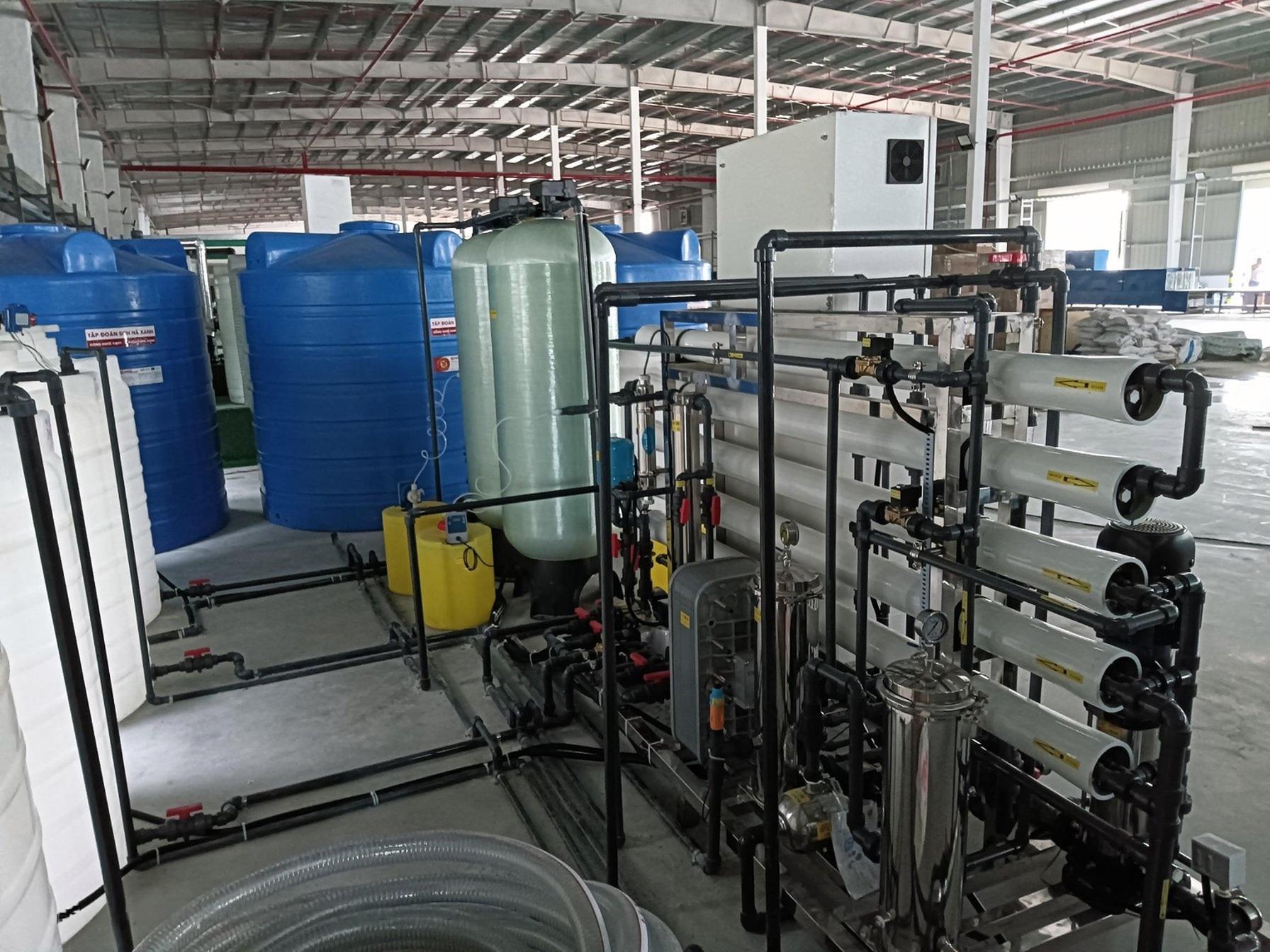
Designed for lithium battery manufacturing plants in Indonesia, this integrated wastewater treatment system combines equalization, Fenton advanced oxidation, heavy metal chelation, biological treatment, and advanced filtration to efficiently remove organic pollutants, heavy metals, and fluoride, ensuring stable operation and compliance with overseas discharge and water reuse standards.
This project was implemented at a new energy battery manufacturing facility in Indonesia, providing a customized wastewater treatment solution for wastewater generated from battery slurry preparation, electrode cleaning, and film removal processes. The system is specifically engineered for overseas production environments characterized by 24/7 continuous operation, fluctuating wastewater quality, and limited on-site maintenance personnel.
Standard Treatment Process
Wastewater Segregation & Collection → Equalization Tank → pH Adjustment → Fenton Advanced Oxidation → Heavy Metal Chelation & Chemical Precipitation → Hydrolytic Acidification → Biological Contact Oxidation → Sand Filtration & Activated Carbon Filtration → Water Reuse or Compliant Discharge
Key Features
 |
 |
 |
This integrated wastewater treatment system is designed for lithium-ion battery, EV battery, and energy storage battery manufacturers throughout Indonesia and Southeast Asia.
Typical applications include:
Lithium battery wastewater contains complex mixtures of refractory organic compounds, heavy metals, fluoride, and suspended solids with poor biodegradability. Conventional treatment processes often struggle to meet increasingly stringent environmental regulations.
This solution is ideal for:
The system supports sustainable production while meeting Southeast Asia's environmental protection requirements for the rapidly growing new energy industry.
 |
|
 |
As Southeast Asia's new energy industry continues to expand rapidly, Indonesia has become an important manufacturing hub for lithium batteries and energy storage systems. Large-scale battery production generates considerable volumes of industrial wastewater from slurry preparation, electrode coating, cleaning, and film removal processes. This wastewater typically contains high concentrations of organic solvents, electrode powders, surfactants, trace heavy metals, and fluoride, making it one of the most challenging categories of industrial wastewater to treat.
Without appropriate treatment, direct discharge can cause serious environmental pollution and fail to comply with Indonesian environmental regulations, potentially resulting in production shutdowns, financial penalties, and increased operating costs due to excessive freshwater consumption.
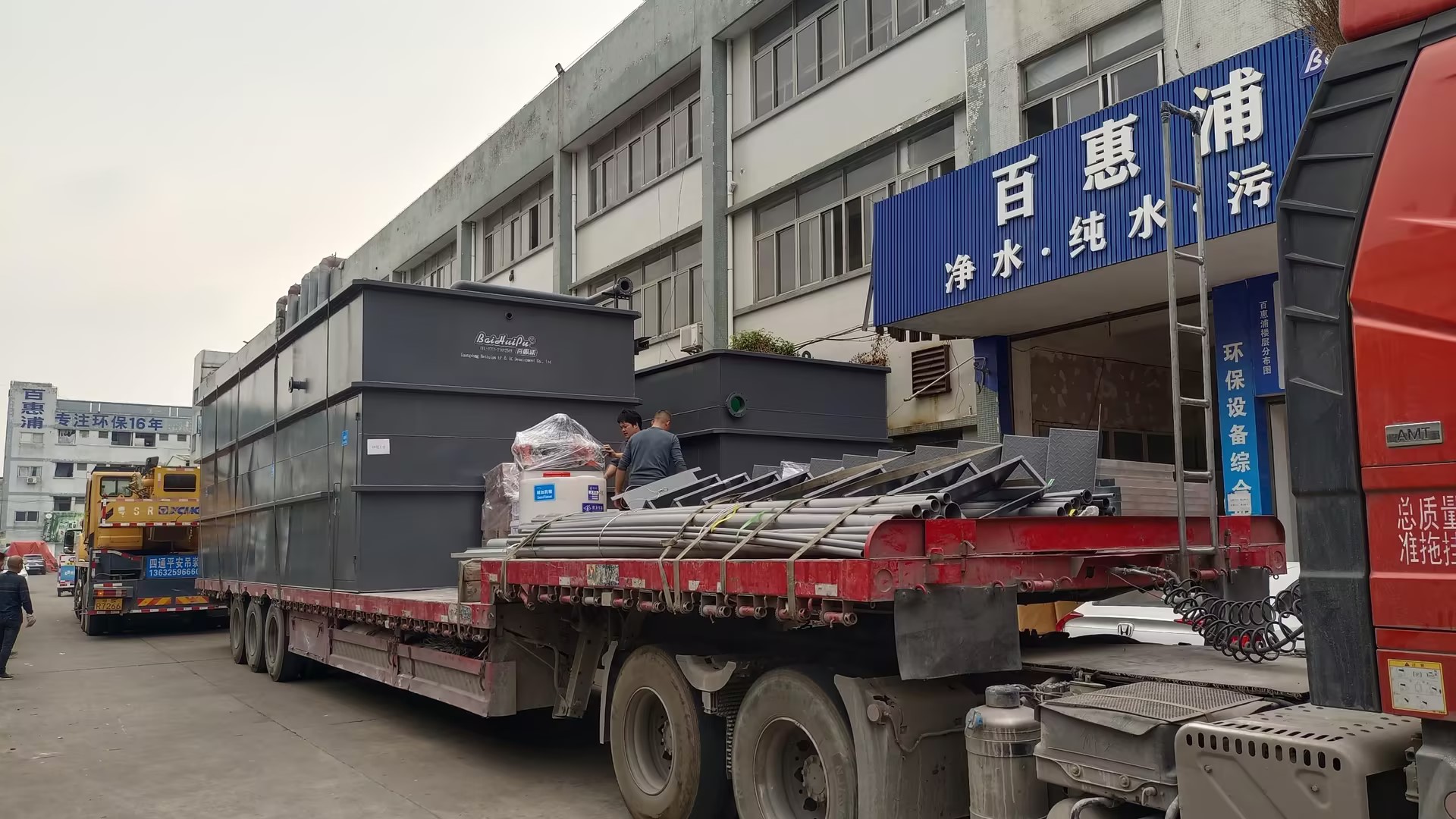
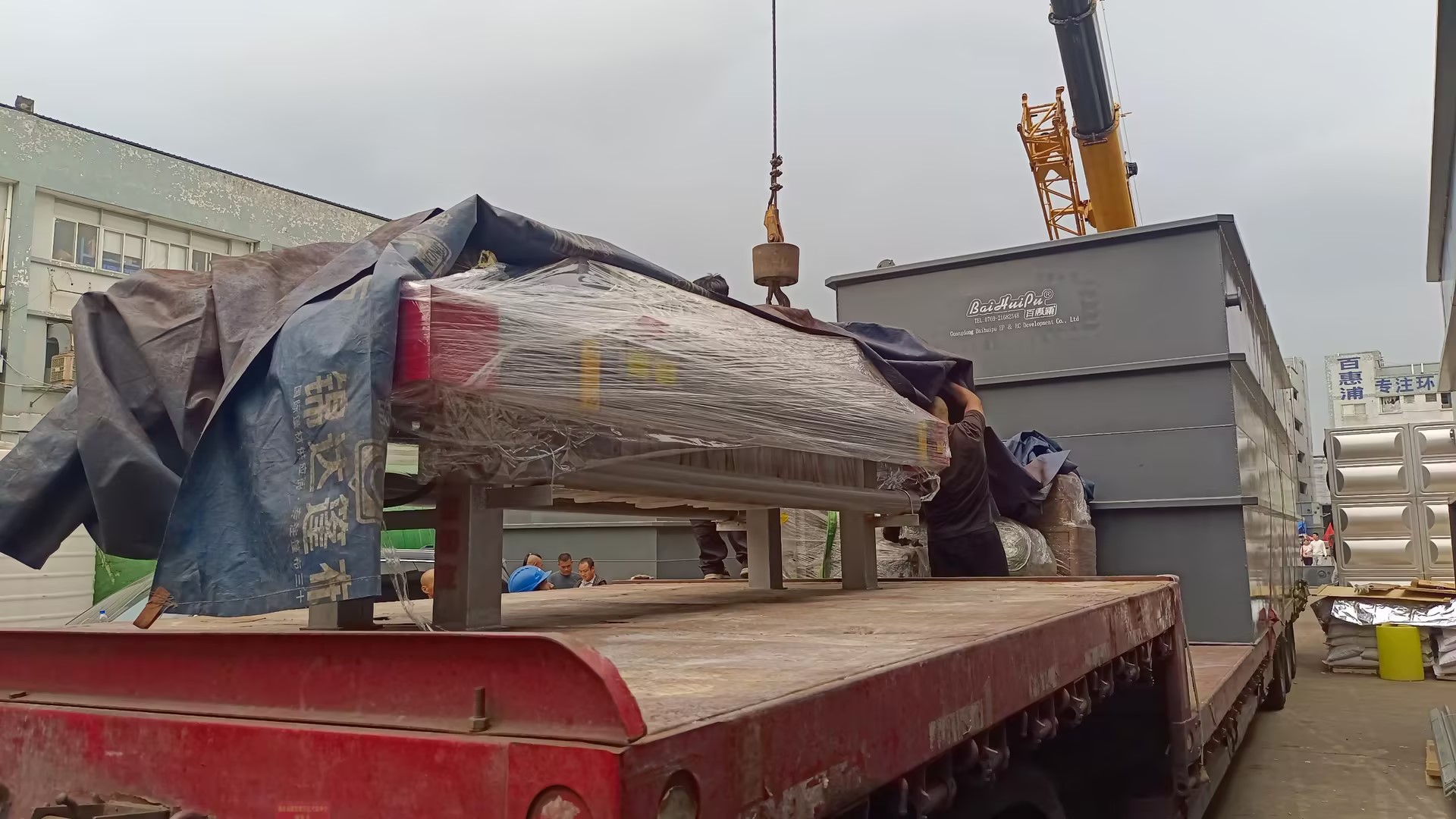
To address the specific wastewater characteristics of lithium battery production and the operational requirements of overseas manufacturing facilities, Baihuipu developed a fully integrated wastewater treatment solution tailored for Indonesian industrial conditions.
Wastewater from different production processes is first collected separately through a dedicated pipeline network before entering the equalization tank, where flow rate and wastewater quality are balanced to absorb hydraulic and pollutant fluctuations during peak production periods. This ensures stable operation of the downstream treatment process under continuous 24-hour manufacturing conditions.
Following equalization, wastewater undergoes precise pH adjustment to establish optimal reaction conditions for Fenton advanced oxidation, which effectively breaks down refractory organic molecular chains and decomposes toxic solvents such as NMP and other persistent organic contaminants. This significantly improves the biodegradability of the wastewater and enhances the efficiency of subsequent biological treatment.
Heavy metal chelating agents together with coagulation and flocculation chemicals are then introduced to capture dissolved heavy metal ions, fluoride, and colloidal particles. Dense flocs are formed and separated through sedimentation, enabling efficient removal of the primary pollutants before biological treatment.
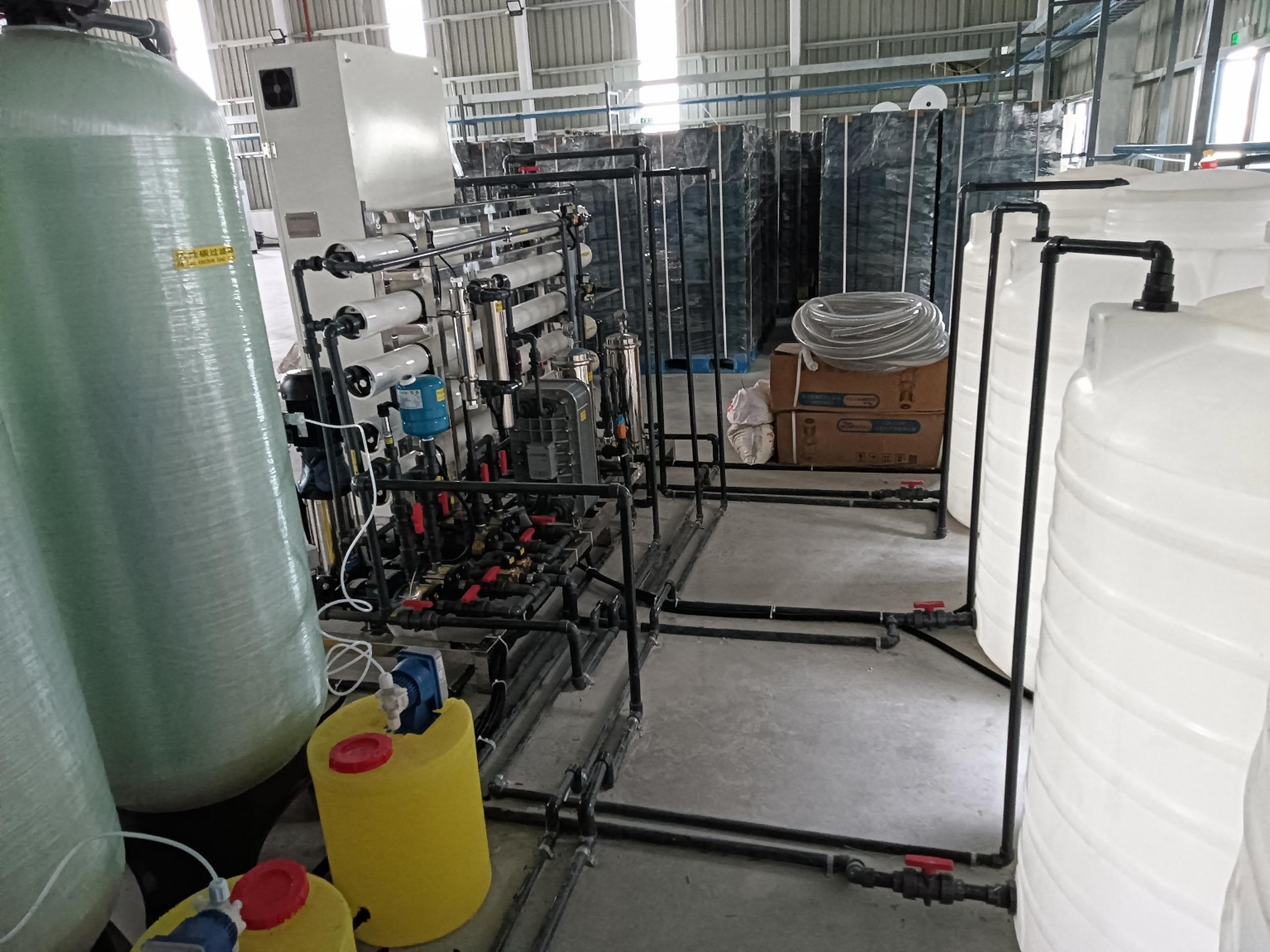
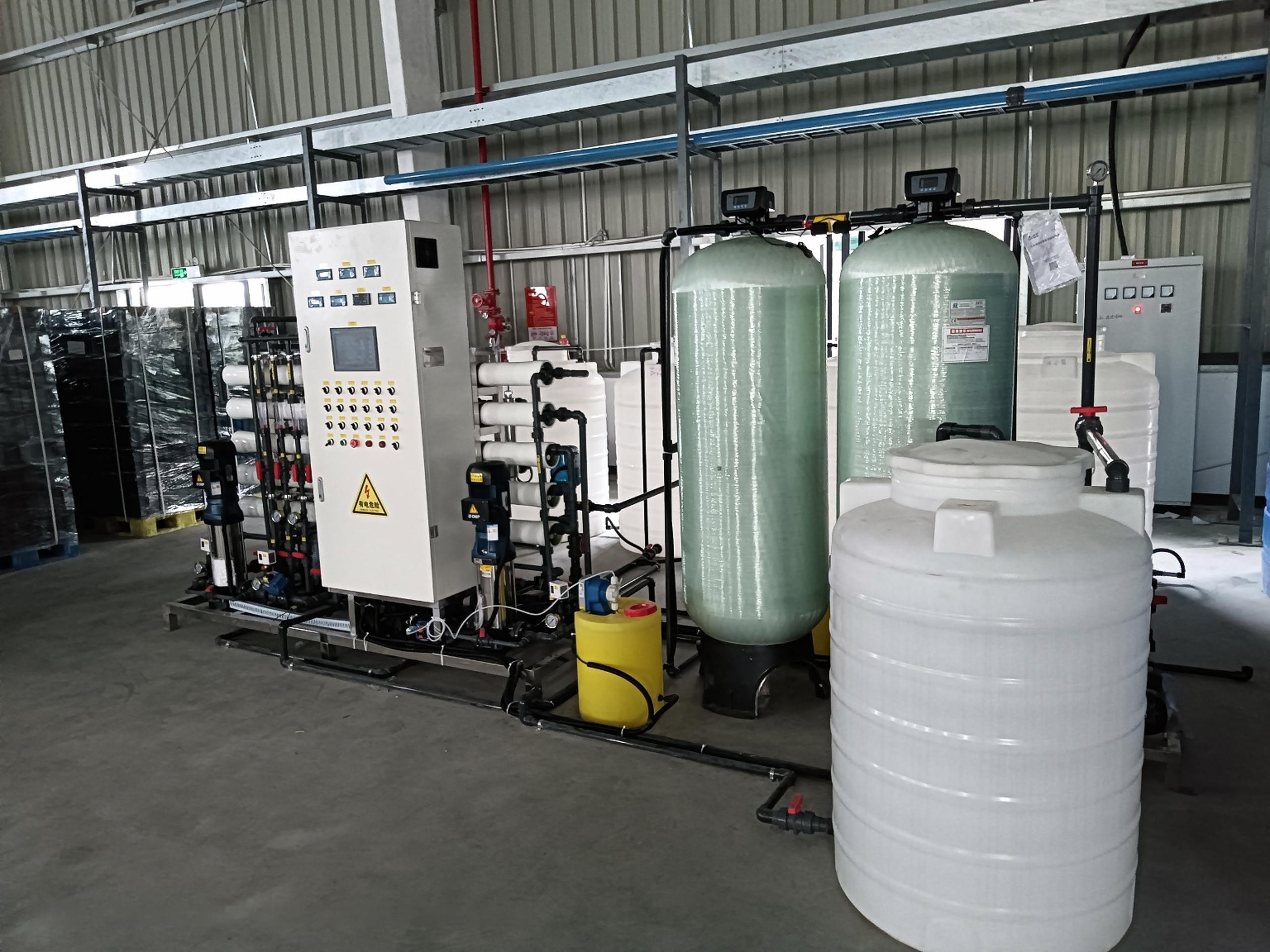
The pretreated wastewater subsequently enters the hydrolytic acidification and biological contact oxidation units, where specialized microbial communities further degrade residual biodegradable organic compounds. Finally, the treated water passes through sand filtration and activated carbon filtration, ensuring consistently high effluent quality suitable for either industrial water reuse or compliant discharge.
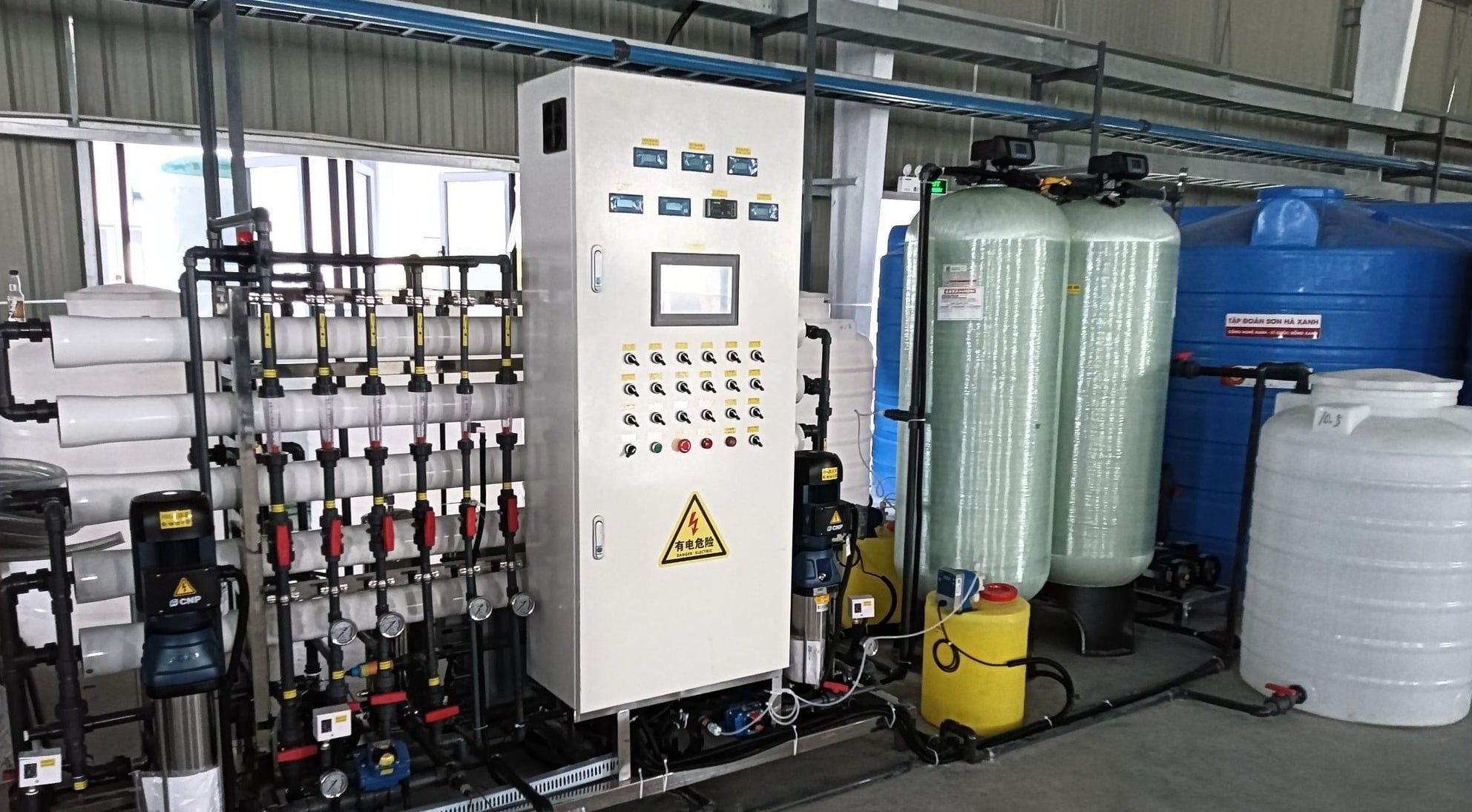
The complete treatment system features a high level of automation, including PLC-based intelligent control, remote monitoring, automatic chemical dosing, intelligent sludge discharge, and automatic filter backwashing. Designed specifically for Indonesia's tropical climate, the equipment offers excellent corrosion resistance, stable long-term performance, and minimal maintenance requirements, making it highly suitable for overseas battery manufacturing facilities.
Following project commissioning, the treated wastewater consistently meets local environmental discharge standards and can be reused for equipment cleaning, plant dust suppression, landscape irrigation, and other non-process applications. The project has successfully helped the customer achieve environmental compliance, reduce freshwater consumption, lower operating costs, and support sustainable manufacturing, making it a benchmark wastewater treatment solution for lithium battery production facilities across Indonesia and Southeast Asia.

 EN