
paint--ink-wastewater-treatment-industry-solution, paint--ink-wastewater-treatment-industry-solution, /solutions
EN
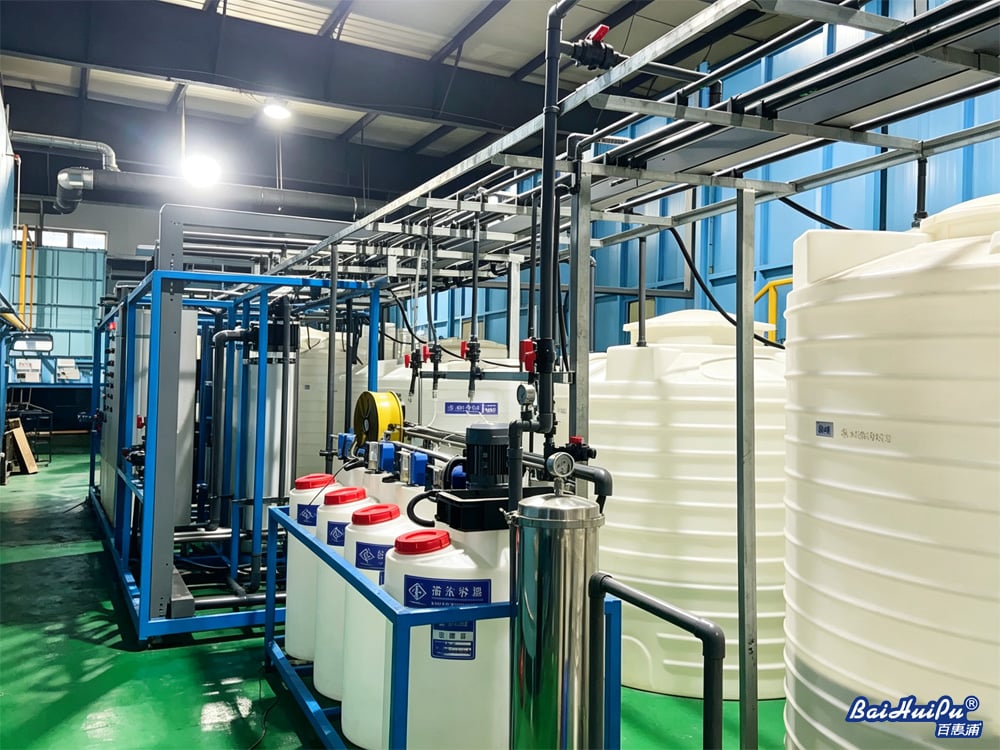
Paint and ink wastewater is primarily generated during resin synthesis, pigment grinding, paint mixing and color matching, equipment cleaning, filling line rinsing, and workshop floor washing. It is one of the most challenging wastewater streams in the fine chemical industry due to its high color intensity, high colloidal content, and complex organic composition.
The wastewater can generally be categorized into three streams: water-based coating cleaning wastewater, solvent-based ink wastewater, and highly concentrated process residues.
Typical contaminants include resin colloids, pigment particles, emulsifiers, alcohols, aromatic hydrocarbons (BTEX), high-color compounds, high COD, acids, alkalis, dissolved salts, and trace heavy metals.
This wastewater is characterized by significant fluctuations in water quality, extremely fine and highly stable colloidal particles, difficult color removal, poor biodegradability, and strong pigment adhesion. Pigment colloids readily adhere to pipelines, filter media, and membrane surfaces, making conventional treatment processes ineffective for complete decolorization and purification. Consequently, paint and ink wastewater treatment remains one of the most demanding environmental challenges in the coatings and printing ink manufacturing industry.
Wastewater treatment in the paint and ink industry presents several critical challenges.
The high concentration of colorants and highly stable pigment colloids makes conventional coagulation processes insufficient for effective color removal, often resulting in excessive effluent color and COD levels that fail to meet environmental discharge standards.
Large quantities of resin and colloidal contaminants adhere to pipelines, packing media, and membrane systems, causing fouling, scaling, corrosion, and frequent equipment maintenance while significantly increasing operating costs.
Frequent product changeovers create substantial fluctuations in wastewater quality and flow rate, placing heavy shock loads on biological treatment systems and reducing treatment stability.
Conventional standardized equipment generally lacks adequate anti-fouling and anti-adhesion performance for treating highly colloidal, high-color wastewater. In addition, limited plant space and the need for flexible manufacturing make traditional civil-engineered treatment facilities difficult to expand or retrofit, creating strong demand for customized, modular treatment systems.
To address the challenges of highly colored, colloidal, and poorly biodegradable paint and ink wastewater, we employ a dedicated treatment process consisting of:
Segregated Collection → Conditioning & Colloid Destabilization → Coagulation & Decolorization → Dissolved Air Flotation (DAF) → Advanced Oxidation → Biological Treatment → Advanced Filtration
High-strength process wastewater and low-strength cleaning wastewater are collected separately and equalized to minimize hydraulic and contaminant shock loading.
A precisely controlled conditioning process destabilizes colloidal particles, followed by specialized decolorizing coagulants that efficiently remove pigments, resin particles, and suspended solids through coagulation and sedimentation.
A high-efficiency Dissolved Air Flotation (DAF) system further removes fine flocs and lightweight suspended contaminants.
Subsequently, ozone-based Advanced Oxidation Processes (AOPs) degrade refractory organic compounds and eliminate residual color.
Finally, an A/O biological treatment system combined with precision filtration ensures stable compliance with discharge standards while enabling reclaimed water reuse where required.
This solution is specifically developed for the unique treatment requirements of high-color, high-colloid paint and ink wastewater. It effectively addresses the industry's most challenging issues, including difficult color removal, poor colloid settling, and unstable COD levels, while consistently producing effluent that meets environmental discharge and water reuse standards.
Customized equipment configurations are available based on production processes, colloidal concentration, wastewater characteristics, and plant layout. Reinforced anti-adhesion flow channels, anti-clogging structures, and compact modular equipment effectively minimize pigment deposition and equipment fouling, making the system ideal for intermittent coating and ink manufacturing operations.
All core mechanical equipment, electrical control systems, and water treatment components are certified to CE, UL, and ISO international standards, ensuring excellent safety, reliability, and compliance with global project acceptance requirements.
The treatment system offers outstanding resistance to hydraulic and contaminant shock loading, significantly reducing maintenance frequency and consumable replacement costs. Water reuse rates of over 90% can be achieved, substantially reducing freshwater consumption and operating expenses.
Its modular integrated design requires minimal installation space, allows flexible future expansion, and supports fully automated intelligent operation, making it well suited for production capacity upgrades and flexible manufacturing environments.
We have successfully completed numerous wastewater treatment projects for manufacturers of paints, printing inks, and specialty coating materials.
A representative project involved a wastewater decolorization and water reuse system for a large-scale paint manufacturing facility with a treatment capacity of 800 m³/day. The system has consistently resolved issues related to excessive color, colloidal fouling, and unstable COD levels while delivering excellent decolorization performance and reliable long-term operation. The project successfully passed all environmental compliance inspections.
Supporting documentation includes:
We provide complete EPC (Engineering, Procurement & Construction) turnkey solutions for paint and ink wastewater treatment, including:
Standard Project Workflow

 EN