
high-salinity-chemical-wastewater-treatment-industry-solution, high-salinity-chemical-wastewater-treatment-industry-solution, /solutions
EN
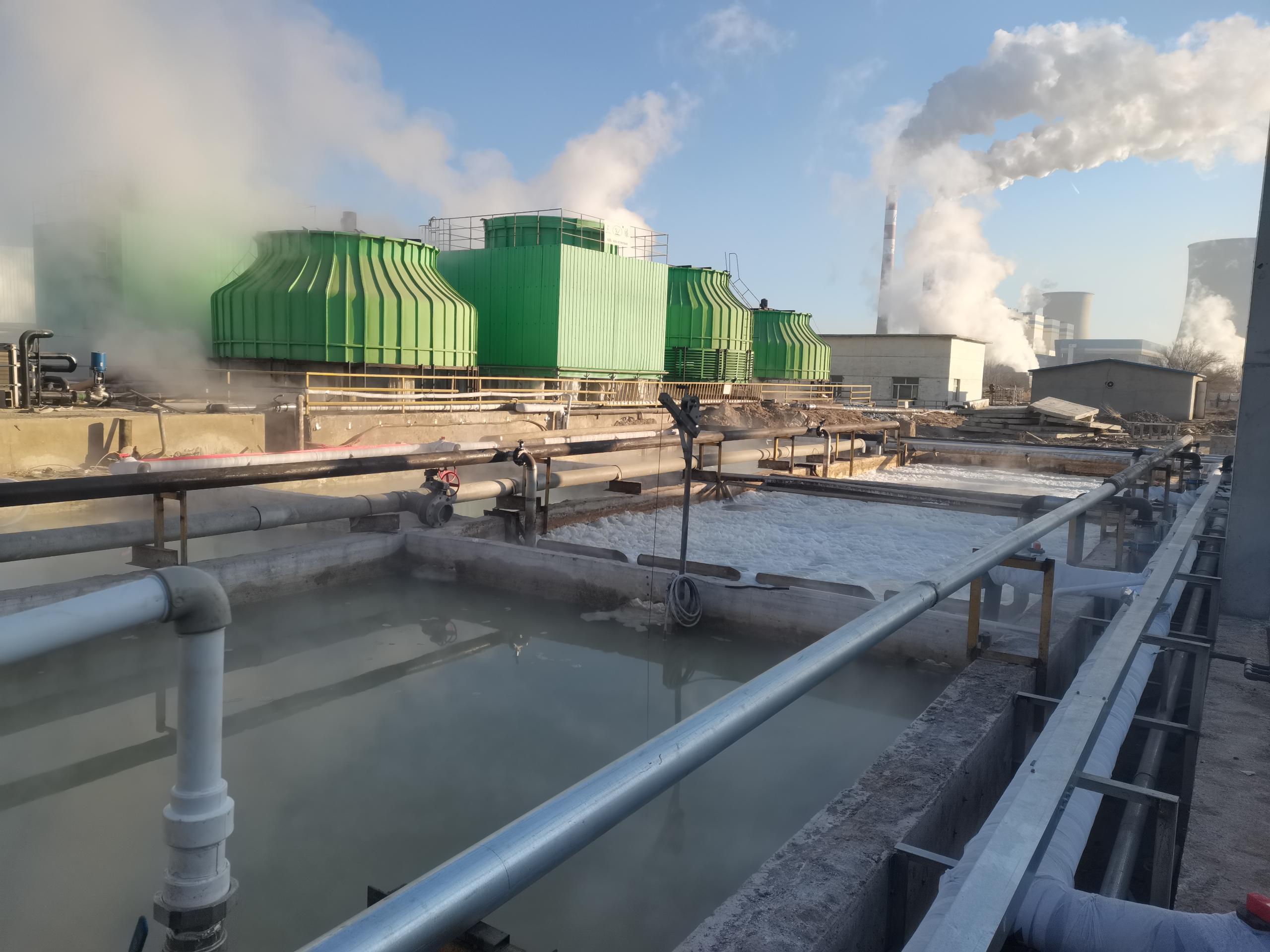
High-salinity chemical wastewater is widely generated in fine chemicals, pharmaceutical chemicals, coal chemical processing, inorganic salt production, and chemical circulating cooling systems, making it one of the most challenging wastewater streams in the chemical industry.
Typical wastewater sources include process mother liquor, reactor cleaning, distillation residues, equipment washing, and cooling tower blowdown.
The wastewater is characterized by extremely high concentrations of dissolved salts, primarily chlorides, sulfates, and nitrates, with TDS typically ranging from 20,000 to 50,000 mg/L. It also contains refractory organic compounds, aromatic intermediates, color-causing substances, residual acids and alkalis, and trace heavy metals.
Overall, this wastewater exhibits high salinity, strong toxicity, poor biodegradability, significant fluctuations in water quality, and severe scaling and corrosion tendencies. Conventional biological treatment processes are generally ineffective at removing refractory organics or dissolved salts, making high-salinity wastewater treatment one of the most critical environmental compliance and water reuse challenges for chemical manufacturers.
Chemical manufacturers treating high-salinity wastewater commonly encounter several critical challenges.
High salt concentrations severely inhibit microbial activity, causing conventional biological treatment systems to perform poorly and resulting in unstable COD and color removal.
The high salinity also accelerates scaling and corrosion on membranes, pipelines, and heat exchangers, leading to frequent equipment failures, increased maintenance requirements, and high consumable replacement costs.
Because chemical wastewater compositions vary significantly between production processes, conventional standardized treatment systems often fail to withstand high-corrosion, high-crystallization operating conditions.
Additionally, many chemical plants face strict Zero Liquid Discharge (ZLD) requirements while generating large wastewater volumes. Traditional treatment technologies typically achieve low water recovery rates and incur excessive concentrate disposal costs. Standard equipment also lacks the flexibility to accommodate varying site layouts, wastewater characteristics, and project-specific process requirements.
To address the unique characteristics of high-salinity chemical wastewater, we employ a dedicated treatment process consisting of:
Pretreatment & Equalization → Advanced Oxidation → Softening & Hardness Removal → Membrane Concentration → MVR Evaporation & Crystallization (ZLD)
Wastewater is first equalized and conditioned through coagulation and sedimentation to remove suspended solids and stabilize influent quality.
Advanced oxidation technologies such as Fenton oxidation and ozone oxidation are then applied to break down refractory organic compounds and improve biodegradability.
A dedicated water softening system removes calcium and magnesium hardness, effectively preventing downstream scaling and extending equipment service life.
The treated wastewater subsequently passes through a high-pressure anti-fouling membrane concentration system, significantly reducing concentrate volume.
Finally, concentrated brine is processed by an MVR evaporation and crystallization system, producing reusable water and solidified salts, enabling near-zero liquid discharge (ZLD).
Core equipment includes:
This solution is specifically engineered for the demanding conditions of high-salinity chemical wastewater, effectively overcoming the industry's three major challenges: high-salt inhibition, refractory organic pollutants, and severe equipment scaling.
The system consistently delivers treated water that complies with environmental discharge regulations while supporting industrial water reuse.
Customized equipment configurations are available based on salt concentration, corrosion level, wastewater composition, available installation space, and production capacity. Corrosion-resistant housings, anti-crystallization flow channels, and heavy-duty high-pressure modular equipment can all be tailored to suit individual project requirements.
All core electrical, mechanical, and water treatment equipment is certified to CE, UL, and ISO standards, ensuring compliance with international safety and quality requirements for both domestic and overseas projects.
The process offers excellent resistance to hydraulic and contaminant load fluctuations, significantly reducing scaling, corrosion, equipment downtime, and maintenance frequency.
With an overall water recovery rate exceeding 95%, the system substantially lowers freshwater consumption, hazardous waste disposal costs, and long-term operating expenses.
Its modular skid-mounted design minimizes installation space, enables rapid deployment and future expansion, and supports fully automated intelligent operation for continuous chemical manufacturing facilities.
We have successfully completed numerous high-salinity wastewater treatment projects across the chemical industry.
A representative reference project is a Zero Liquid Discharge (ZLD) system for a large-scale fine chemical manufacturing plant, designed to treat 800 m³/day of high-salinity wastewater.
The system consistently handles wastewater with high TDS and high COD, effectively solving membrane scaling, refractory organic removal, and concentrate disposal challenges while maintaining stable long-term operation and successfully passing environmental acceptance inspections.
Supporting documentation includes:
We provide turnkey EPC (Engineering, Procurement & Construction) solutions for high-salinity chemical wastewater treatment, including:
Standard Project Workflow
Site Survey & Water Sampling
→ Water Quality Analysis Report
→ Customized Treatment Solution & Commercial Proposal
→ Contract Signing
→ Equipment Manufacturing & Civil Construction
→ Installation & Commissioning
→ Performance Testing Until Compliance
→ Environmental Acceptance Assistance & Operator Training
→ Long-Term Preventive Maintenance, System Optimization & 24/7 Technical Support
This solution enables chemical manufacturers to achieve stable regulatory compliance, maximize water reuse, minimize operating costs, and move toward sustainable Zero Liquid Discharge (ZLD) operations.

 EN