
15-m3/day-automotive-parts-wastewater-treatment-system, 15-m3/day-automotive-parts-wastewater-treatment-system, /case-studies
EN
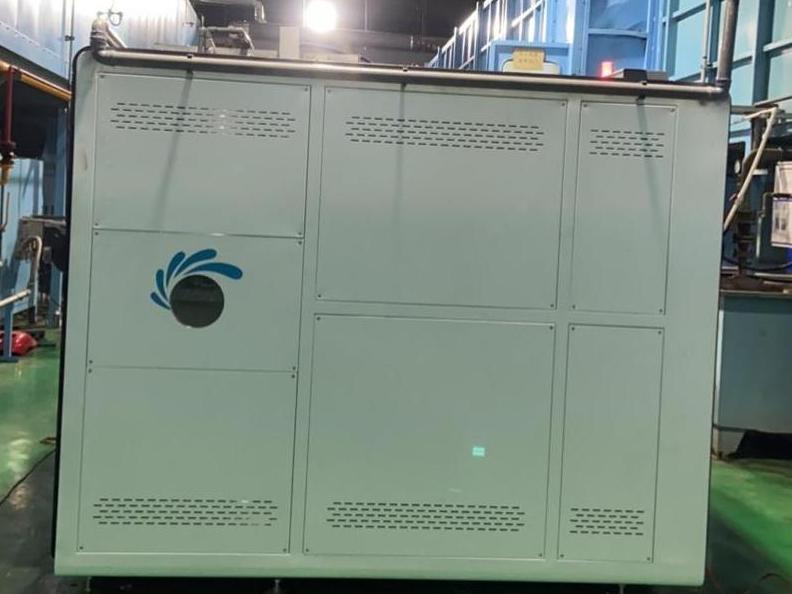
Designed for automotive parts washing and degreasing wastewater, this system combines equalization, coagulation, sedimentation, and precision filtration to efficiently remove oil, metal particles, and suspended solids while ensuring stable, low-cost operation for compliant discharge or water reuse.
This project was implemented for an automotive parts manufacturing facility in Zhangjiagang, Jiangsu Province, with a treatment capacity of 15 m3/day. The system is designed for intermittent wastewater discharge, relatively small wastewater volumes, and high oil concentrations commonly found in automotive component manufacturing.
The treated effluent complies with local industrial wastewater discharge standards and can also be reused for non-critical plant applications where appropriate.
Wastewater Collection → Equalization Tank → pH Adjustment → Coagulation & Flocculation → Sedimentation → Multi-media Sand & Activated Carbon Filtration → Precision Filtration → Discharge or Water Reuse
The system is specifically designed to treat wastewater generated during automotive component cleaning, degreasing, and grinding operations by removing:
The treatment process significantly reduces COD, turbidity, and overall pollutant loading.
The compact system is particularly suitable for facilities with limited maintenance personnel and long-term standby operation requirements.
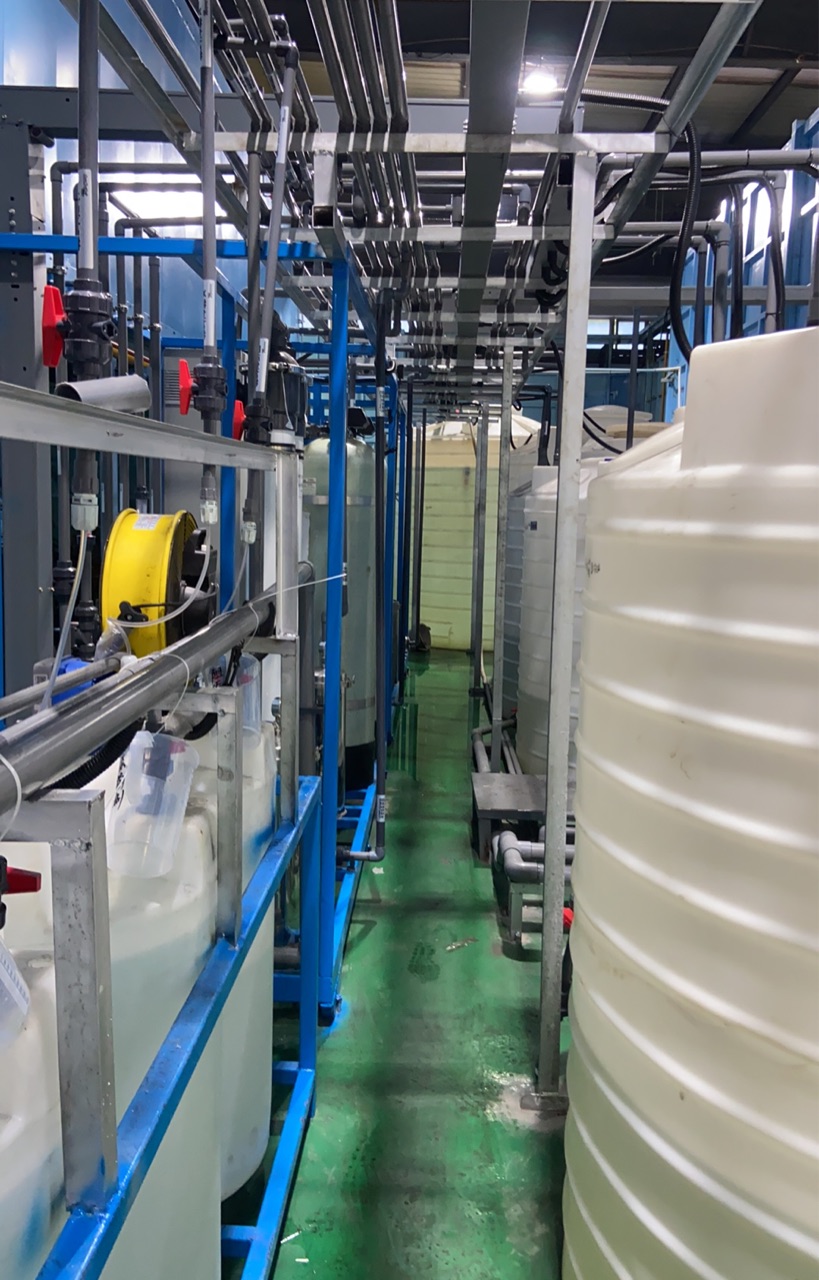
This wastewater treatment system is suitable for:
Typical wastewater sources include:
The system is ideal for:
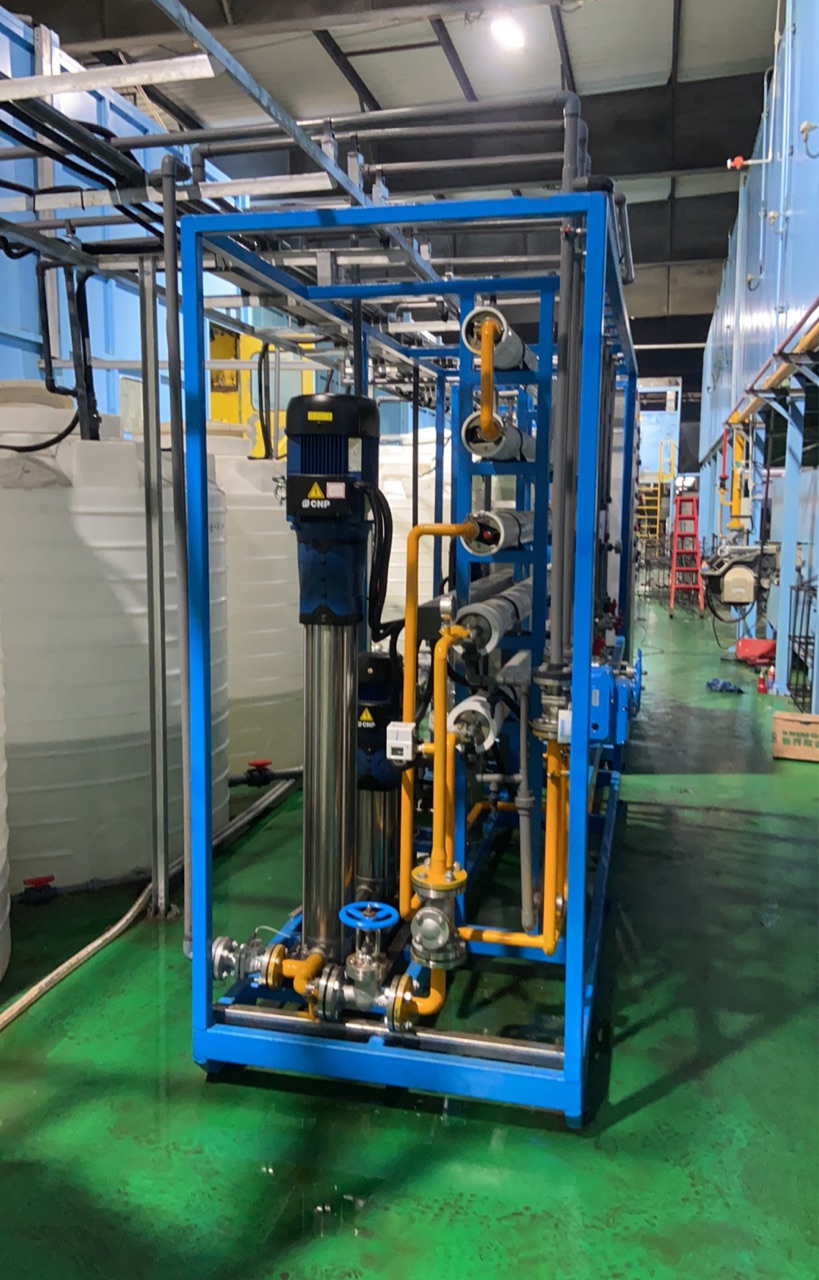
Zhangjiagang, located in China's Yangtze River Delta manufacturing region, is home to a well-established automotive parts industry. During machining, grinding, degreasing, and high-pressure cleaning operations, manufacturers continuously generate industrial wastewater containing oils and fine solid contaminants.
Although wastewater volumes are relatively small, the wastewater typically contains high concentrations of emulsified lubricants, fine metal particles, grinding dust, cleaning chemicals, and suspended solids. These contaminants create highly turbid wastewater with stable oil emulsions that are difficult to separate through natural settling.
Without proper treatment, direct discharge can lead to pipeline blockages, excessive COD levels, environmental pollution, and noncompliance with increasingly stringent industrial wastewater regulations.
To address the customer's requirements for treating 15 m³/day of oily wastewater, BHP developed a compact, reliable, and low-maintenance wastewater treatment solution specifically designed for small-scale automotive component manufacturing facilities.
Wastewater from various cleaning processes is first collected in an equalization tank, where fluctuations in flow rate and contaminant concentration caused by intermittent production are balanced. This effectively protects downstream treatment units from hydraulic and contaminant shock loads while ensuring stable system performance.
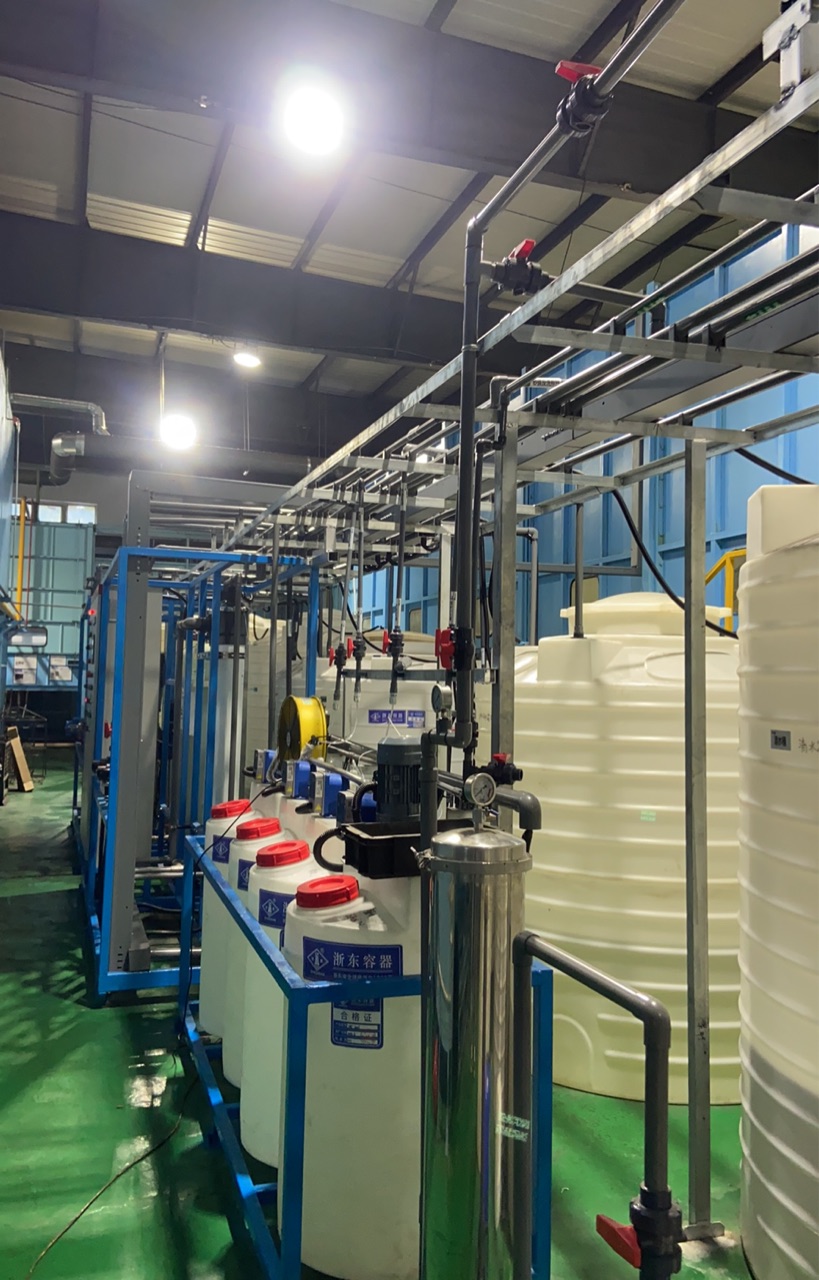
Following equalization, wastewater undergoes pH adjustment to establish optimal conditions for chemical treatment. Specialized demulsifying agents, coagulants, and flocculants are then added to break stable oil emulsions and capture suspended metal particles and colloidal impurities. These contaminants rapidly aggregate into dense flocs, allowing efficient solid-liquid separation through sedimentation while significantly reducing oil content, suspended solids, and organic pollutants.
The clarified water subsequently passes through multi-stage sand filtration, activated carbon filtration, and precision filtration, where residual oils, fine particles, and trace contaminants are removed to further improve water quality and reduce turbidity.
The treated effluent consistently meets discharge standards and can also be reused for low-grade applications such as workshop floor cleaning, dust suppression, and general plant maintenance, helping reduce freshwater consumption.
The generated sludge is collected separately and disposed of properly, preventing secondary pollution.
The integrated treatment system features a compact footprint, a high level of automation, excellent resistance to oil fouling, simple operation, and low energy consumption, making it ideally suited for small and medium-sized automotive parts manufacturers.
Since commissioning, the project has successfully resolved the customer's oily wastewater treatment challenges, ensuring long-term compliant discharge, reducing environmental risks, lowering operating costs, and supporting sustainable manufacturing. It now serves as a benchmark wastewater treatment project for small and medium-sized automotive parts manufacturers throughout the Yangtze River Delta region.

 EN