
battery-steel-case-cleaning-wastewater-recycling-system, battery-steel-case-cleaning-wastewater-recycling-system, /case-studies
EN
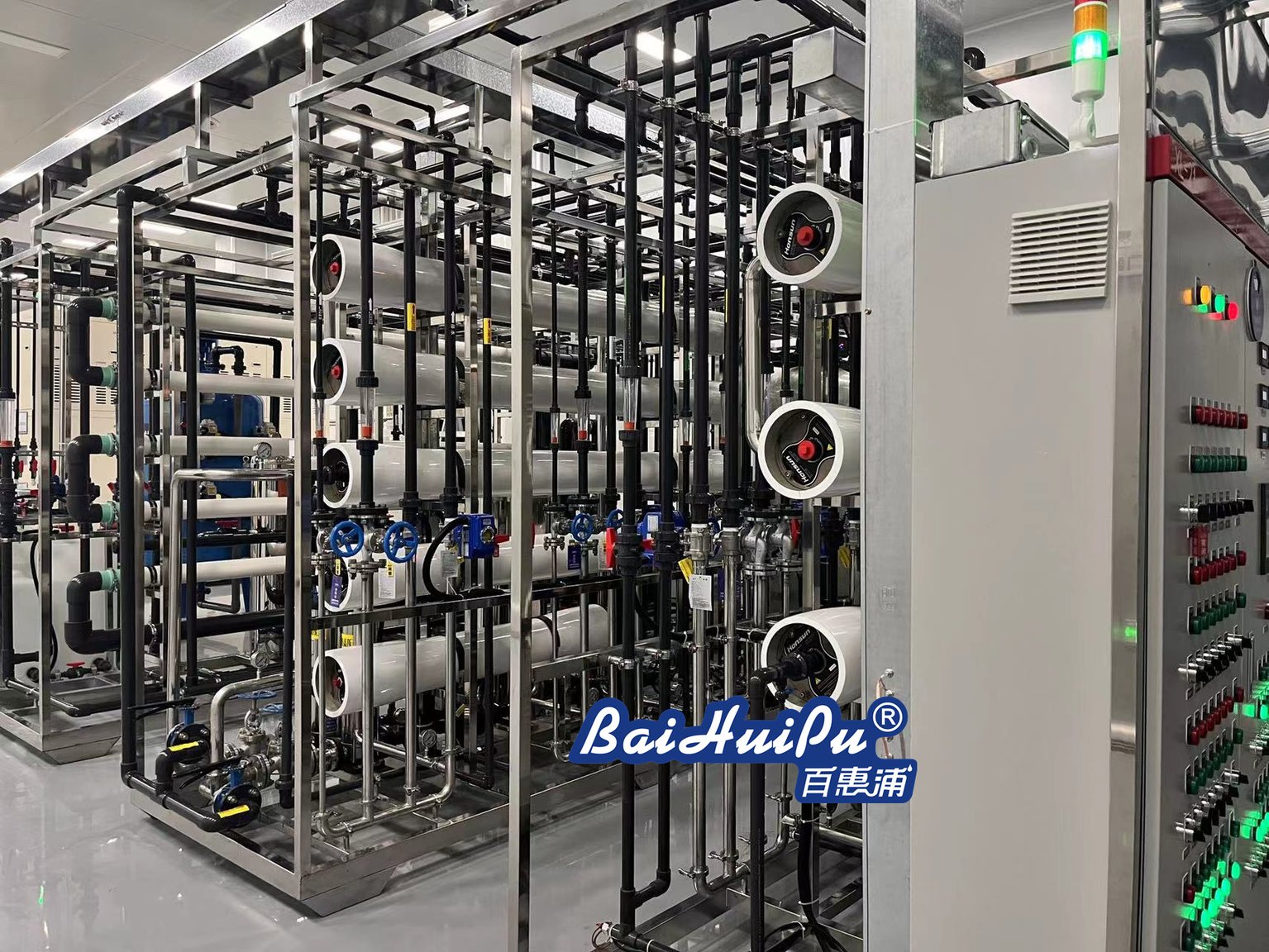
Designed for lithium battery steel case cleaning wastewater, this recycling system combines equalization, coagulation, multi-stage filtration, and precision purification to efficiently remove oil, metal particles, and suspended solids, producing stable reclaimed water for direct reuse in battery case cleaning processes.
This project was implemented for a new energy lithium battery manufacturing facility in Huizhou, China, providing a customized wastewater treatment and recycling system specifically designed for wastewater generated from battery steel case and aluminum case stamping, degreasing, and cleaning processes.
The system is engineered to accommodate continuous wastewater discharge and frequent fluctuations in water quality while consistently producing reclaimed water that meets battery case cleaning reuse standards, enabling closed-loop water recycling within the plant.
Steel Case Cleaning Wastewater Collection → Equalization Tank → pH Adjustment → Coagulation & Flocculation → Multi-stage Filtration → Precision Purification → Reclaimed Water Reuse
A sludge settling and collection unit is integrated into the system.
The treatment system effectively removes:
The process significantly reduces turbidity while efficiently separating oil and removing fine metallic particles, solving common challenges associated with cloudy, oil-contaminated cleaning wastewater that cannot be directly reused.
The system is ideally suited for high-frequency, continuous manufacturing operations in lithium battery production facilities.
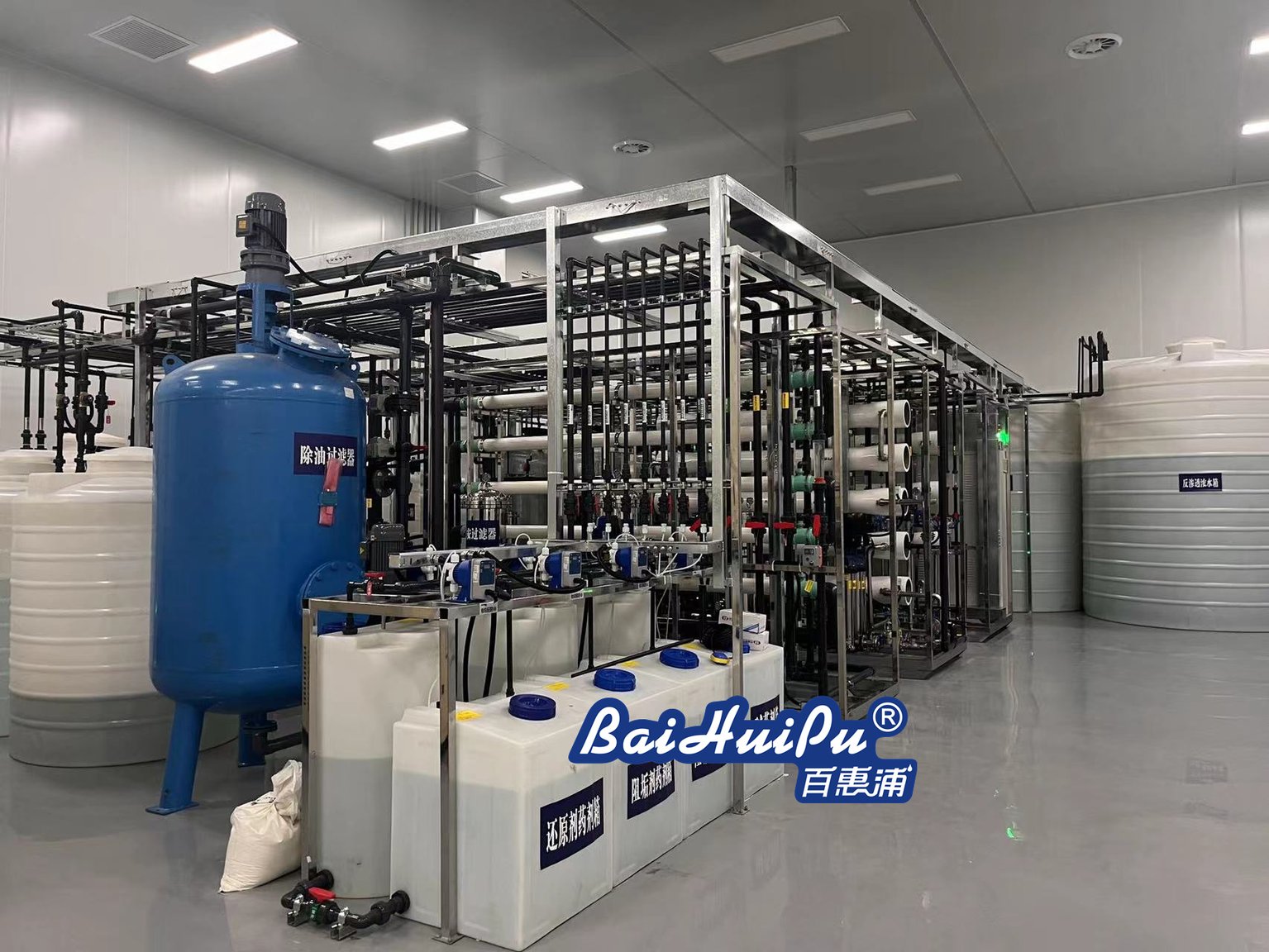
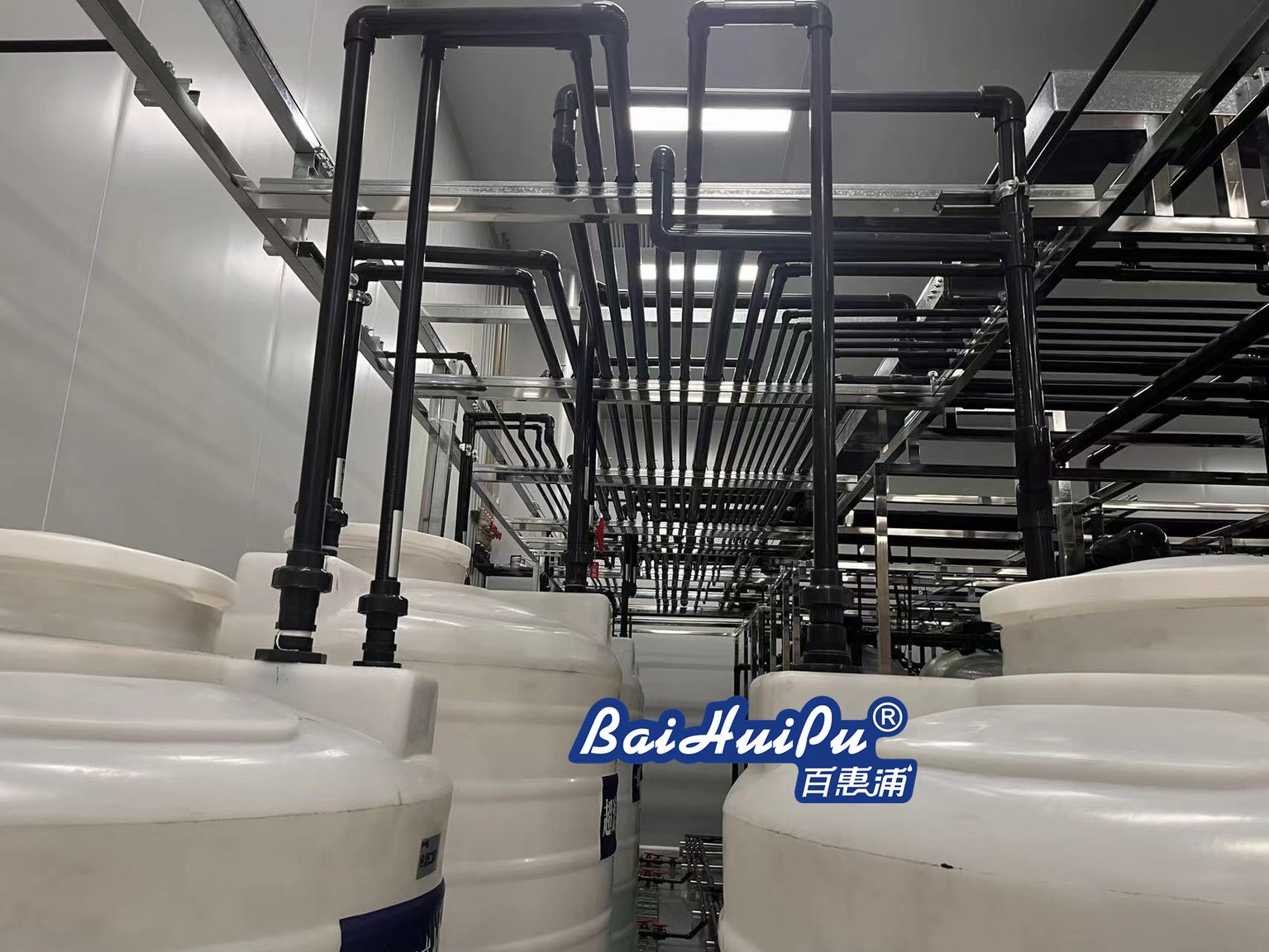
Huizhou is one of the major manufacturing hubs for China's new energy industry, with a well-developed supply chain for lithium battery steel cases, aluminum housings, and precision battery structural components. Throughout stamping, degreasing, surface cleaning, and final rinsing processes, substantial volumes of cleaning wastewater are continuously generated.
This wastewater typically contains fine metal particles, stamping oils, emulsified lubricants, cleaning chemicals, suspended solids, and colloidal contaminants. The wastewater is characterized by high turbidity, elevated oil content, and fine particulate matter. Direct discharge not only wastes valuable industrial water resources but also increases operating costs while creating environmental risks associated with oil and metal contamination.
To help the customer achieve water conservation, wastewater recycling, and environmentally compliant production, BHP designed a customized wastewater treatment and reuse solution tailored to the production conditions and wastewater characteristics of the Huizhou battery manufacturing facility.
Wastewater generated from steel case cleaning operations is first collected in an equalization tank where flow rate and water quality are balanced. This stage minimizes fluctuations caused by intermittent production while protecting downstream treatment equipment from hydraulic and contaminant shock loads.
Following pH adjustment, specialized coagulation and flocculation chemicals are added to rapidly capture emulsified oils, fine metal dust, suspended solids, and colloidal contaminants. The resulting flocs settle efficiently, achieving effective solid-liquid separation and substantially reducing turbidity and oil concentration.
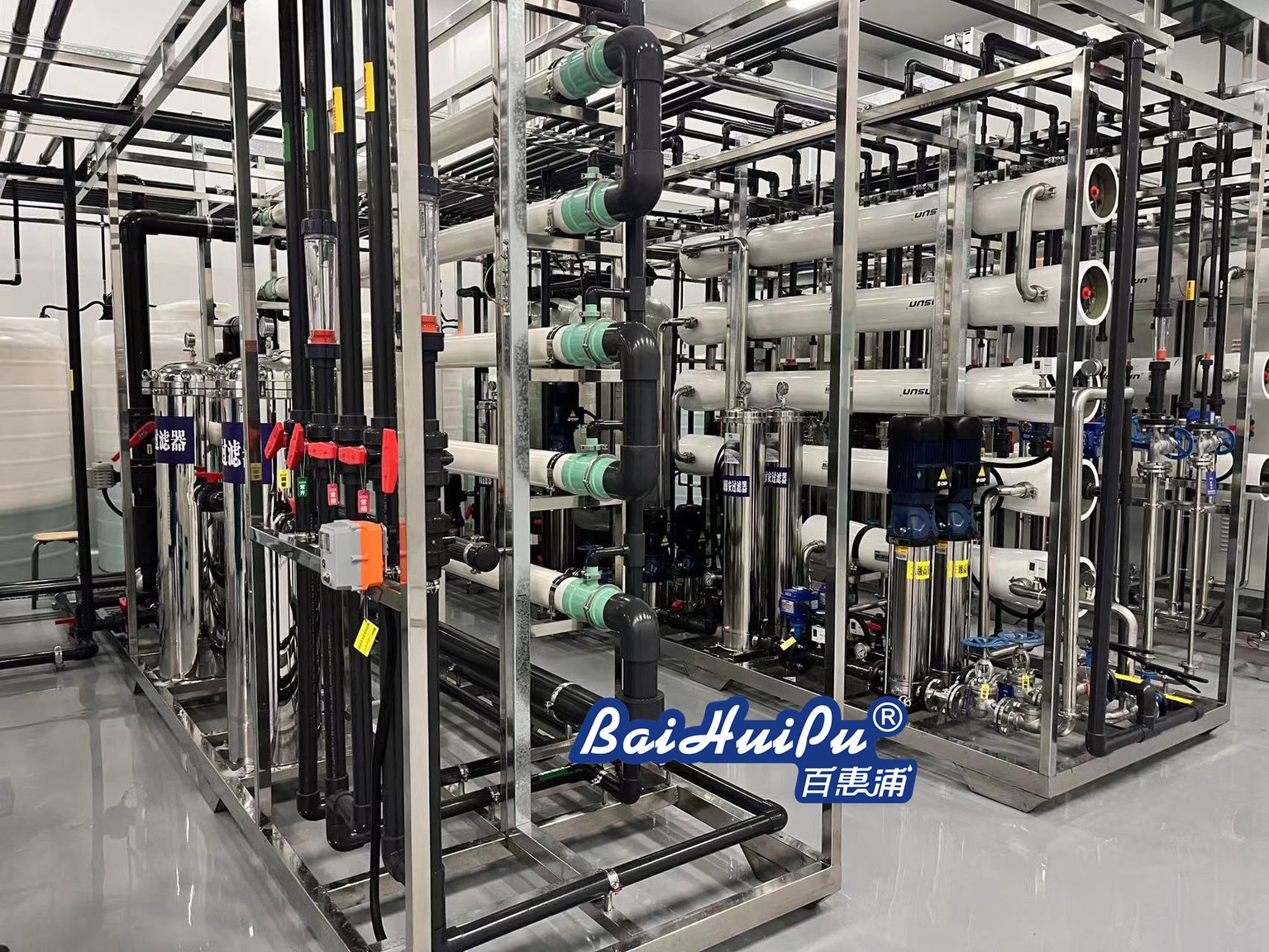
The partially clarified water then passes through multiple filtration stages followed by precision polishing treatment, removing residual fine particles, trace oils, and colloidal impurities. This multi-stage purification process produces reclaimed water with the cleanliness required for battery steel case washing operations.
The treated water is directly returned to the production line for reuse in degreasing, rinsing, and equipment cleaning, creating a closed-loop water recycling system that significantly reduces freshwater consumption and operating costs.
The small quantity of generated sludge is collected and disposed of separately, preventing secondary pollution.
The entire system features a high level of automation, simple operation, low maintenance requirements, and excellent resistance to contamination, making it ideal for continuous battery manufacturing operations throughout the Pearl River Delta.
Since commissioning, the project has successfully resolved steel case cleaning wastewater treatment challenges while achieving efficient water recycling, reducing operating costs, improving environmental compliance, and supporting sustainable manufacturing. The installation now serves as a benchmark wastewater reuse project for lithium battery enclosure manufacturing in South China.

 EN